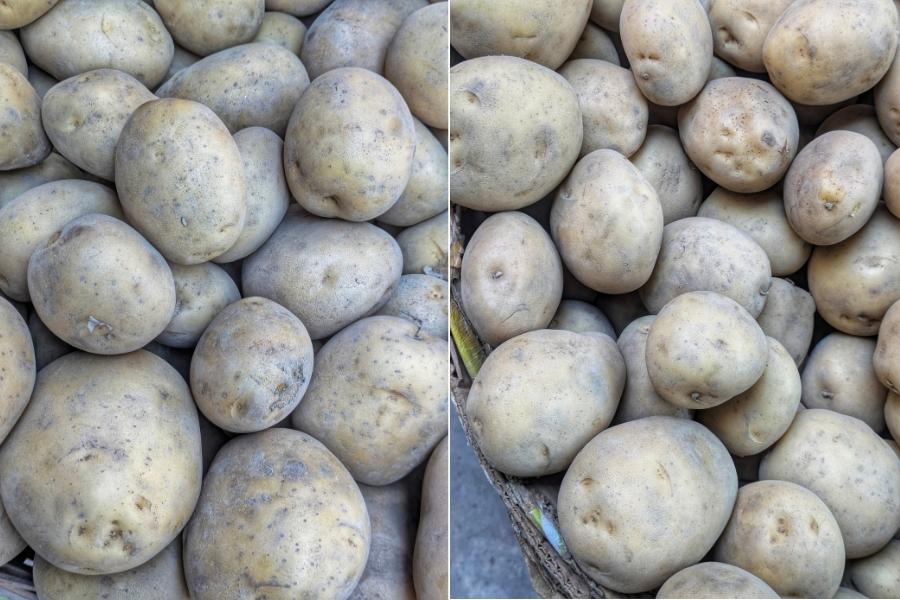
The humble potato is a star and staple of Bengali cuisine. From simple torkaris to biryani, alu is a people pleaser. In Kolkata kitchens, the two common potato variants — Chandramukhi and Jyoti are not interchangeable, and making a choice between them is often deliberate.
The decision depends on the texture, characteristics and even cost. While both our local alus belong to the Kufri family, their differences have made them staples for different kinds of dishes.
Texture, taste and appearance
“Chandramukhi has fine skin without prominent lines and is usually oval in shape. Jyoti has more prominent lines and is round or oval in shape,” said Goutam Mukherjee, director of the Nature, Environment and Wildlife Society.
Chandramukhi is known for its smooth, creamy texture and better flavour absorption when cooked in dishes like biryani or light curries. The potato soaks in spices well.
On the other hand, Jyoti is firmer and less creamy. It holds its shape better in everyday cooking, which makes it suitable for dal, mixed vegetables and fried preparations.
Price versus productivity
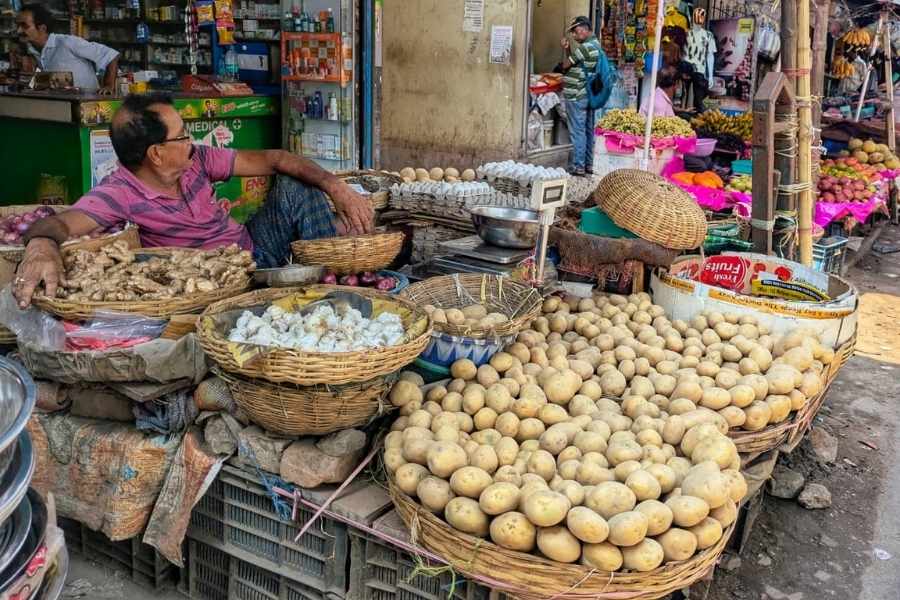
Jyoti is a high-yield variety, and farmers prefer it for its productivity and relatively lower cultivation risk. Chandramukhi's production is lower, but is superior in taste
The main difference between the two varieties is in the field. Goutam Mukherjee explains that Jyoti is a high-yield variety, and farmers prefer it for its productivity and relatively lower cultivation risk. This keeps the market price for Jyoti lower, making it a more economical option for daily consumption.
Chandramukhi's production is lower, but is superior in taste. Its lower yield and higher demand push up the prices by 15 per cent, which is why many people reserve it for special dishes.
“In Hooghly districts such as Tarakeshwar and Dhanekhali, Chandramukhi is widely cultivated despite lower yield because it commands a better market price. Soil conditions in this belt also favour its quality,” Mukherjee added.
But these potatoes are not native potatoes to Bengal like the lal alu or badami alu.
“Jyoti and Chandramukhi varieties were developed for specific requirements by the Central Potato Research Institute and the International Potato Centre, balancing taste, yield and adaptability. Over decades, they have found a permanent place in both farming systems and food habits,” said Mukherjee.
The origin of potatoes can be traced to the Peruvian Andes over 7,000 years ago, and they arrived in India in the early 17th century via Portuguese traders. Portuguese traders introduced them to the western coast, while the British later accelerated widespread cultivation.
Why the difference matters
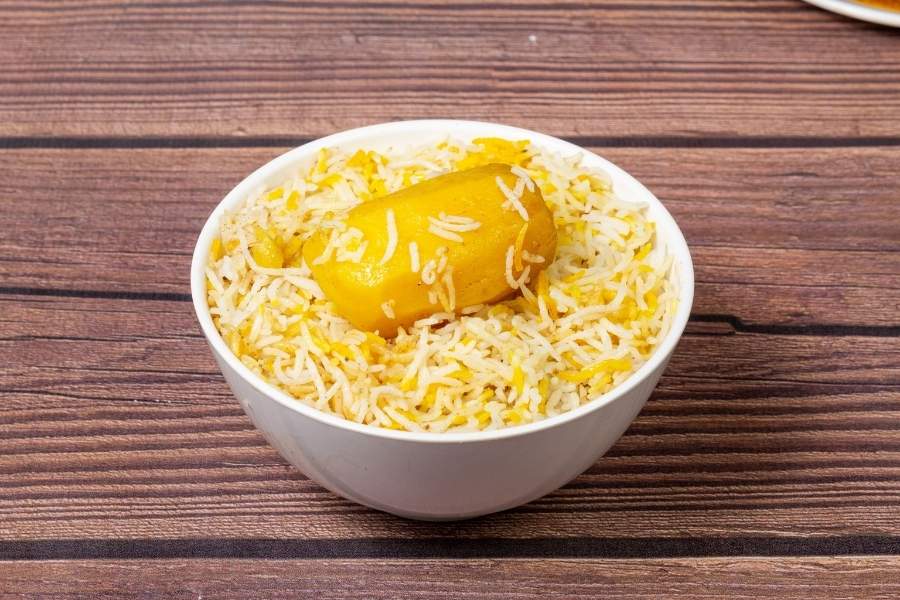
The alu in Kolkata biryani is Chandramukhi Shutterstock
The Chandramukhi vs Jyoti is not just about which potato is better, but also about suitability.
The alu in Kolkata biryani is Chandramukhi. “For biryani, we always use Chandramukhi because it absorbs the flavours well and cooks evenly. We use Jyoti for other home-cooked food,” said Manzilat Fatima, whose great-great-grandfather, Nawab Wajid Ali Shah, introduced the potato to the Kolkata biryani.
Echoing this preference, Azra Golam, sales director at Aminia restaurants, said, “For biryani, Chandramukhi is the preferred. It has a softer texture and absorbs the spices beautifully, which helps the potato soak up the rich flavours of the biryani. ”
Mukherjee summed it up from a broader perspective. “Jyoti supports volume and affordability, while Chandramukhi delivers on taste and culinary experience. Both are equally important in the food ecosystem.”