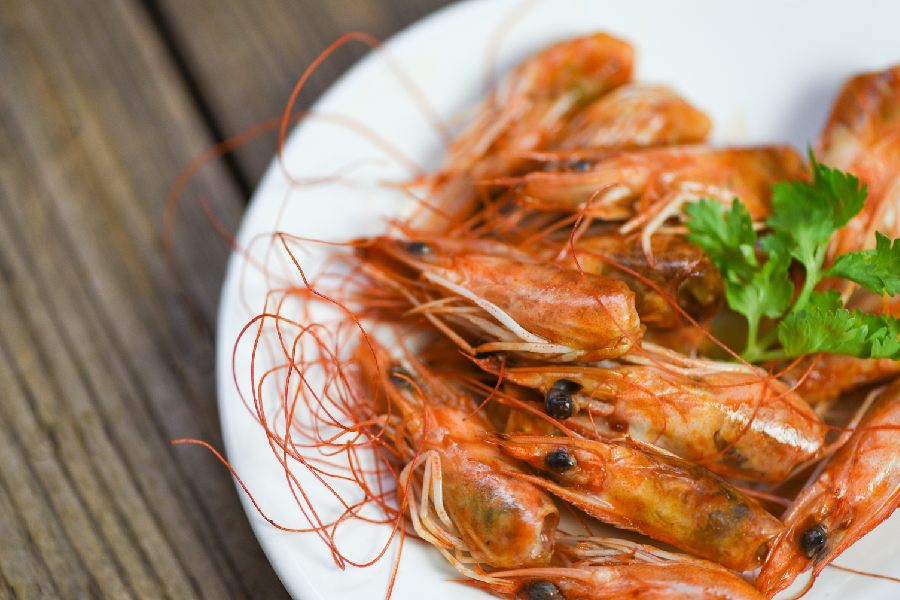
For generations, Bengali households have known that the densest flavour of a prawn lies not in the flesh, but in its head. In recent times, Kolkata’s chefs are taking the prawn head beyond home kitchens and onto restaurant menus. From hollandaise sauces and rich broths to crisp bar snacks and the traditional matha bata, My Kolkata asked chefs how they are using chingri from head to tail in their menus.
The rise of the flavour bomb at Kolkata luxury hotels
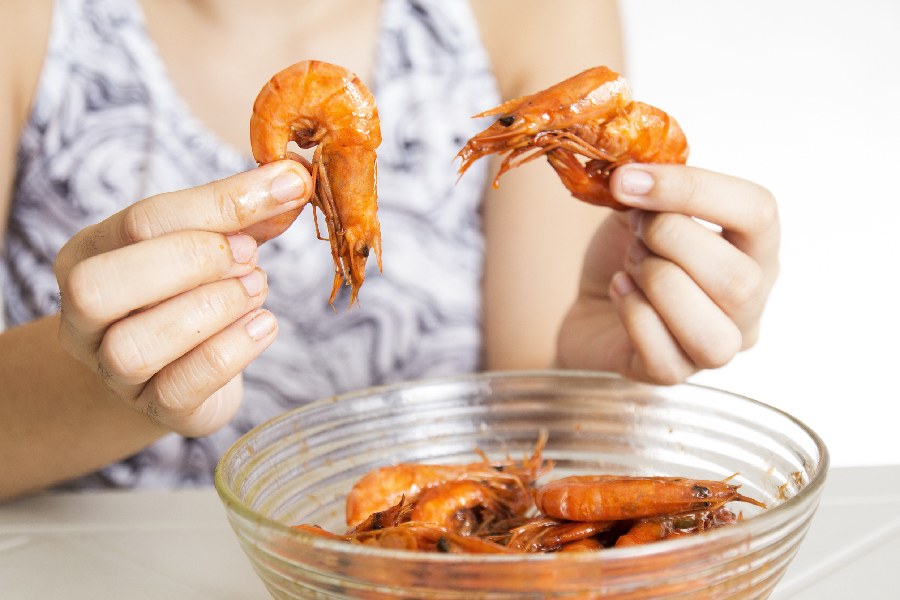
Chefs are reviving ‘poor man’s’ or secondary cuts as premium flavour bombs amid rising seafood costs and a growing focus on zero-waste cooking Shutterstock
The growing popularity of prawn heads reflects a wider shift in Kolkata’s dining culture, where sustainability, whole-animal cooking and a renewed appreciation for traditional ingredients have encouraged chefs to look beyond the prime cuts.
“Prawn heads have moved from being an overlooked by-product to becoming a celebrated ingredient. Rich in natural umami and sweetness, they offer an intense seafood experience while also helping reduce food waste,” said chef Rabin of Aauris Hotel Kolkata.
Executive chef Vikram Jaiswal of Novotel Kolkata Hotel & Residences said that the trend arises from both economics and nostalgia.
“Chefs are reviving these ‘poor man’s’ or secondary cuts as premium flavour bombs amid rising seafood costs and a growing focus on zero-waste cooking. Diners are also embracing them as part of a return to roots,” he said.
Elevating a Bengali classic
For Chef Koyel Roy, co-head chef at Sienna, prawn heads have never been just a by-product. “Honestly, whether at home or in a restaurant, prawn heads have always been essential,” she said.
Referring to Sienna’s Galda Chingri Ghilu Hollandaise, where the rich fat extracted from the prawn head is transformed into a silky sauce, the chef said. “We generally extract all the ghilu to create the sauce, grill the jumbo prawn, place it back into the empty head space and serve it alongside chimichurri.”
The restaurant also uses prawn heads to create flavourful stocks and broths. Fried head shells are simmered into rich prawn stock that can become the base for a malai curry gravy or a clear consomme-style soup.
Childhood memories on a plate
For food anthropologist and chef, Amrita Bhattacharya, the appeal of prawn heads is more personal. Growing up in Maslandapur in Habra, she recalls eating rice with fried prawns and ghilu from freshly caught Golda Chingri.
One preparation she remembers vividly is Chingrir Ghilu Bhaja, a simple dish made by frying the extracted head fat with cumin, dried red chilli, turmeric and a touch of sugar.
“This minimalist dish is traditionally served with steaming rice,” she said. In parts of Bangladesh, the same preparation is known as Chingrir Mogoj Bhuna.
Beyond Bengali cuisine
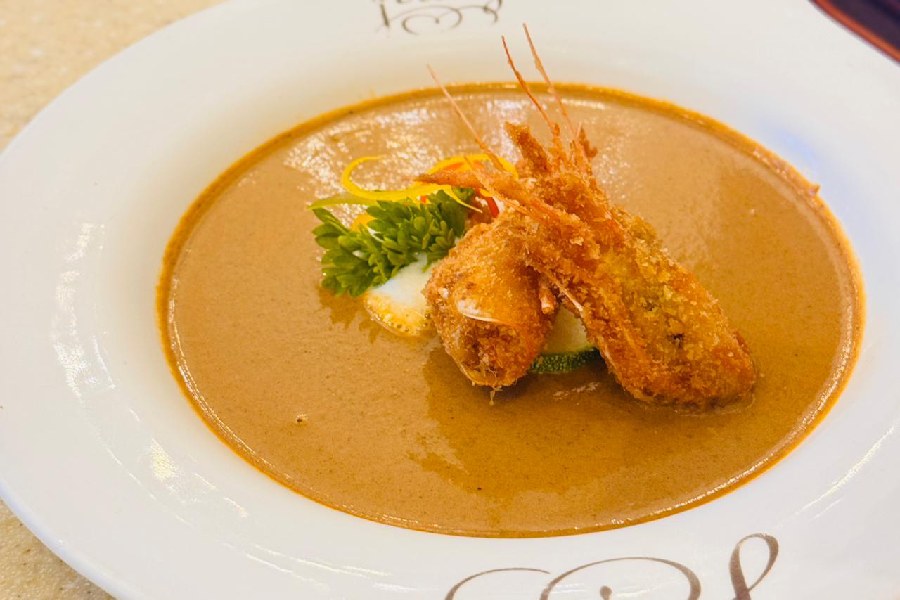
At Flurys, prawn heads have been used to enrich seafood bisques and create flavoured prawn butter
At Flurys, prawn heads have been used to enrich seafood bisques and create flavoured prawn butter. Chef Vikas Kumar of Flurys points out that they are central to iconic dishes around the world. “They form the flavour foundation of Laksa, Tom Yum, Paella and classic seafood bisques,” he said. He recommends deep-frying them for a crunchy appetiser or using them to make stock for risotto, pulao and noodles.
At La Soiree, chef Sandeep Yadav uses seared prawn heads in stocks for lemon coriander prawn soup and transforms the prized orange paste into herb-infused prawn butter served with grilled prawns.
Moushumi Sircar, restaurateur, foodpreneur and partner at Bonne Femme, said that prawn heads are used to prepare a flavourful Goan-style stock. “The heads are roasted and simmered with aromatics to extract their rich seafood character. This stock is then used as the base for our Paella made with Tulaipanji rice, adding complexity, depth, and a distinct coastal flavour to the dish,” said.