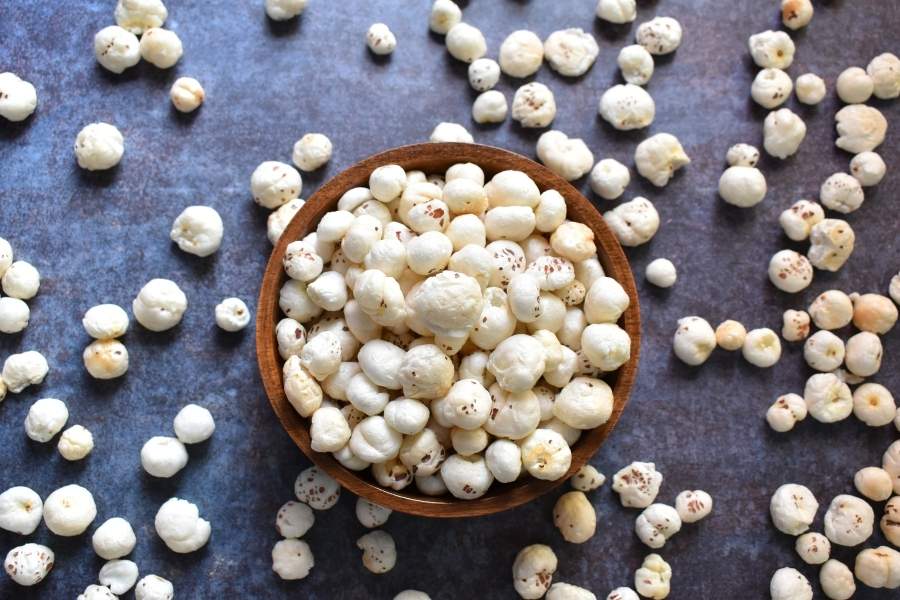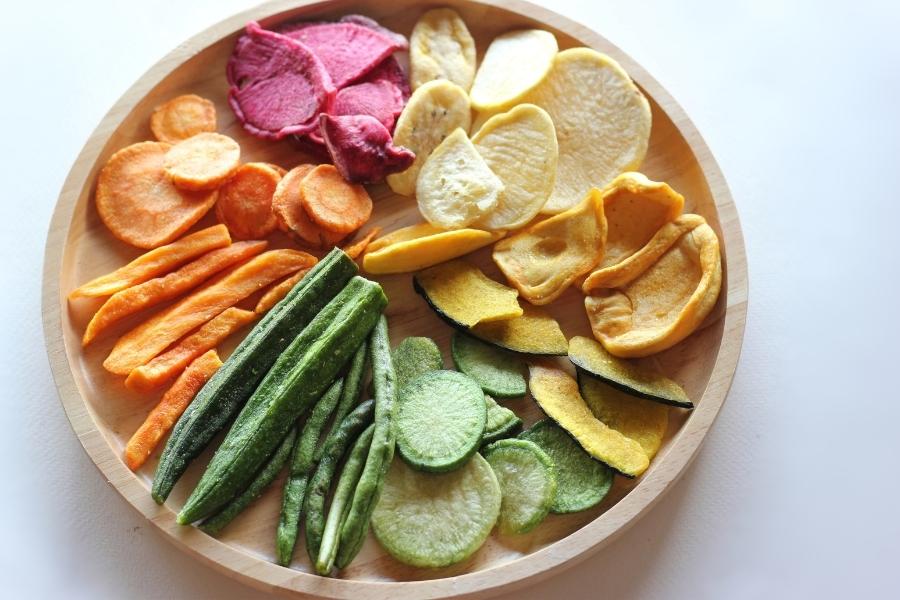
India’s snacking habits are undergoing a shift with rising awareness around nutrition, busy lifestyles and growing discomfort with deep-fried and sugar-heavy options. Dehydrated fruits and vegetables are gaining ground as everyday snacks. From carrot chips to apple crisps, these shelf-stable bites promise convenience and nutrients, but experts warn that health benefits depend largely on processing, ingredients and portion control.
Why dehydrated snacks feel like a better choice
Unlike fried chips that rely on oil for texture and flavour, dehydrated vegetables and fruits are produced by removing moisture, which helps preserve fibre and minerals while cutting down fat content. This makes them appealing to health-conscious consumers looking for lighter alternatives that still deliver crunch. Their long shelf life and ease of storage also suit urban lifestyles where quick, portioned snacks are in demand.
Moderation still matters, say nutritionists
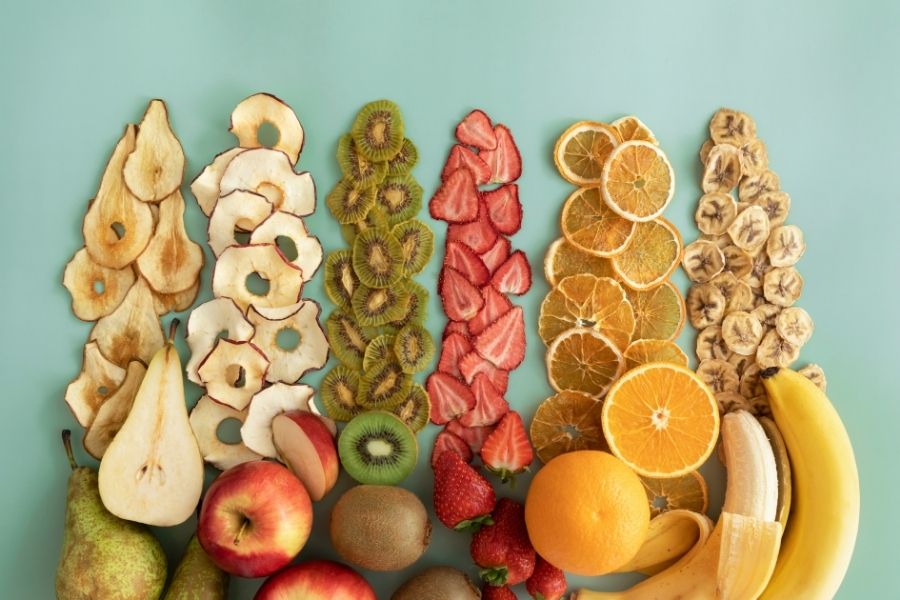
“Dehydrated veggies can make for a healthy snacking option, especially more than sugar-loaded and deep-fried chips and other food items. But it all depends on what’s inside the packet and on how much one can have. Moderation is the key because even the healthiest snack in greater quantities can be harmful,” said Payel Kr Roy, clinical dietitian, HOD and Critical Care Nutritionist at Techno India DAMA Hospital.
She points out that dehydration concentrates calories by reducing water content, making it easy to overeat. “Be mindful of the portion sizes. This is where most people fail, because they think if the snack is healthy, they can have it as much as they want. One downside is that dehydrated vegetables are less filling due to their reduced volume, so it’s easier to overeat them,” she added.
What nutrients stay and what may be lost
Dehydrated fruits and vegetables retain several nutrients, including fibre, minerals and antioxidants. However, certain vitamins are sensitive to heat and processing. “Dehydrated veggies can be a healthy snacking option when fresh isn’t available, but it depends on how they are processed and what is added to them,” said Satavisha Basu, senior dietitian at Narayana Hospital, Howrah. “They retain many nutrients like vitamins, minerals and fibre, including potassium. But dehydration can reduce vitamin C and B vitamins, and some products may contain added sugar, salt or preservatives.”
A market driven by convenience and sustainability
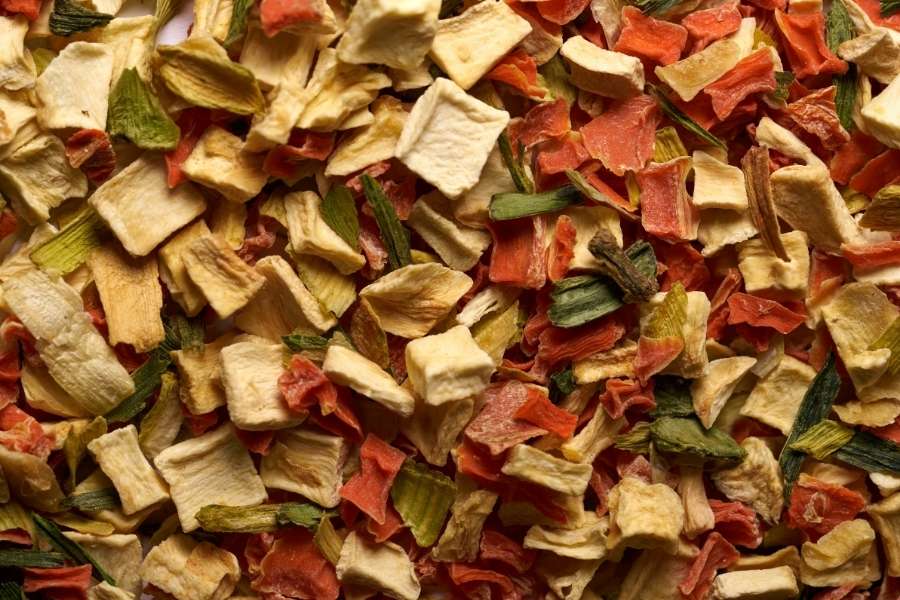
According to Persistence Market Research, the global dehydrated vegetables market is expanding rapidly, fuelled by demand for convenience, longer shelf life and reduced food waste. Lightweight and easy to transport, dehydrated produce lowers storage and logistics costs while supporting sustainability goals. This has increased its use across packaged foods, instant meals, snacks and even emergency food supplies.
Technology reshaping dehydrated foods
Advancements in dehydration techniques are also changing perceptions. Freeze drying and vacuum drying help preserve colour, texture and nutritional value more effectively than traditional air drying. These innovations are pushing dehydrated fruits and vegetables beyond survival foods into mainstream, premium and health-focused categories.
Not a replacement for fresh produce
Despite their advantages, nutritionists caution against treating dehydrated snacks as substitutes for fresh fruits and vegetables. “They are convenient, shelf-stable and nutrient-rich if chosen wisely. But watch out for added ingredients and possible vitamin loss. Pair them with fresh produce for a balanced diet,” said Basu.