The influence of Korean pop culture has left a global imprint. From introducing Korean cuisine in daily menus to inspiring fashion and lifestyle choices, the K-pop wave shows no signs of abating. In fact, fans are now also exploring Korean approaches to health and wellness.
As streaming hours double up through variety shows featuring K-pop bands like BTS, Blackpink, EXO, Stray Kids and Twice discussing their lives on screen, admiration often deepens into obsession for fans, and that often leads to imitation.
Apart from fashion, fans are also showing interest in the K-pop stars’ structured diet plans that include strict fasting in the hope of getting ‘that perfect physique’.
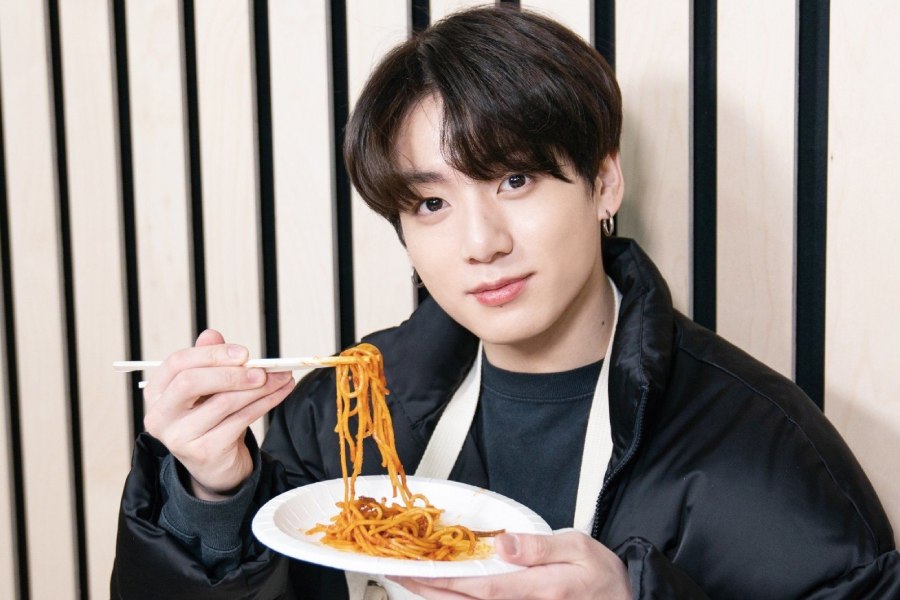
Recently, in an interview with entertainment magazine Rolling Stone, popular K-pop star Jeon Jungkook of BTS revealed that he is “strictly” following the OMAD (One Meal A Day) diet plan as part of his comeback projects.
Given their global influence, such revelations often spark immediate curiosity among fans — and Kolkata is no exception to that frenzy.
While the OMAD diet itself is a known practice, celebrities like Jungkook often follow these plans under the expert supervision of a medical team, a safety aid that most fans in countries like India, do not have.
Yet, stripped of medical context, such disclosures quickly trigger a wave of misleading and uncertified content online, manipulating young social media users into imitating celebrity routines without understanding their long-term impact — simply because it is their favourite ‘oppa’ or ‘eonni’ who follows them.
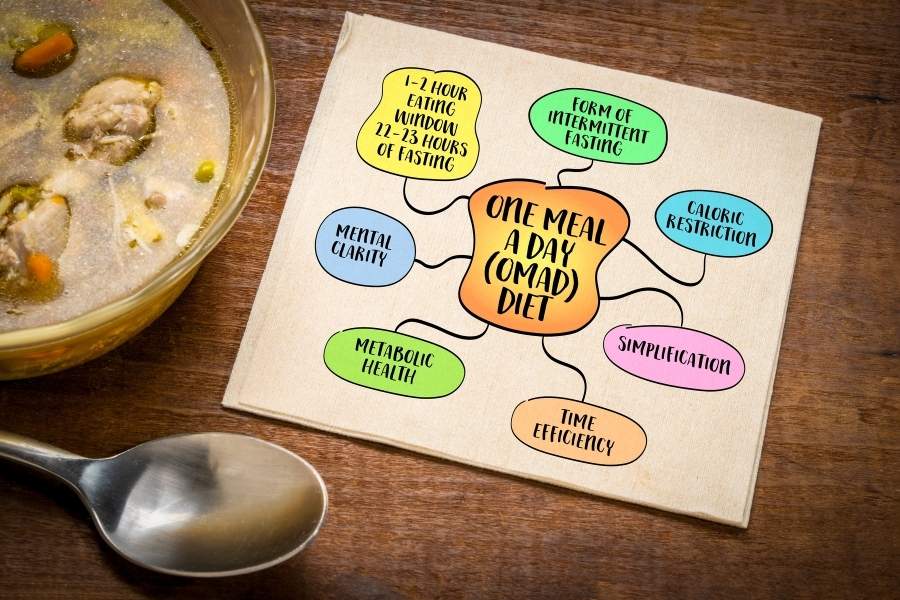
Should one follow the OMAD diet?
Shutterstock
Since Kolkata has a huge ardent fanbase of BTS, the question might automatically arise: Is the OMAD diet safe to follow here without supervision? Is it advisable for young people to eat only once a day? Experts weigh in…
Srinwanti Dutta, a dietician attached to Woodlands Multispeciality Hospital, advises against such practices. “Jungkook has an exclusively personal medical team, consisting of doctors, dietitians and other specialists. They continuously monitor all the parameters of his body. He can easily afford it due to his immense wealth. That’s not possible for an ordinary citizen in India,” Dutta told My Kolkata.
She was seconded by Ipshita Chakraborty, the head of the Dietetics Department at CK Birla Hospitals CMRI, who emphasised the well-being of adolescents, which should not be compromised just by blindly following celebrity diet plans and fasting without advice.
“Children or adolescents are still in a growing phase, so their nutritional requirement is entirely different from those of a mature adult. They have to concentrate on studying, so for that, their nutrition matters a lot. You cannot follow influencers on the internet, who mostly share grossly non-science based advice,” Chakraborty said.
Is the OMAD diet even possible in a Bengali meal plan?
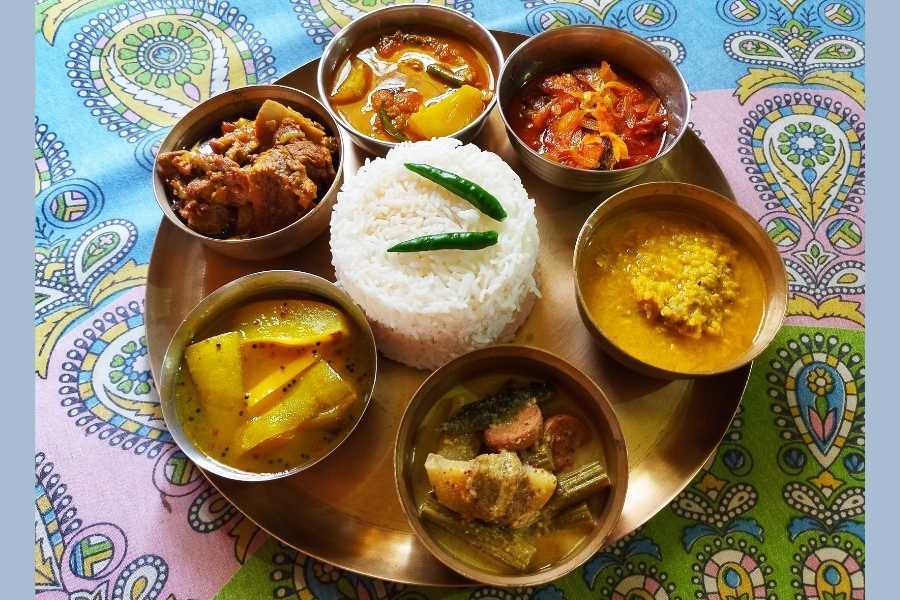
‘For someone who exercises regularly, it is difficult to meet the body’s daily nutritional and protein requirements in just one meal, even if it includes fish, chicken, dal or curd, as in a typical Bengali diet.’ Shutterstock
Experts highlight some of the key side effects, such as dizziness, hormonal imbalance, hypoglycemic shock and even fertility issues that can deteriorate health if one follows the OMAD diet without medical supervision.
“During the first 24 hours of fasting, the body uses up its stored glycogen to maintain blood sugar levels,” said Dutta.“As fasting continues, the body is forced to draw energy from muscle protein and fat, increasing fat breakdown and glucose production from non-carbohydrate sources.”
She further added, “With prolonged fasting, the body enters a state of ketogenesis, where ketone bodies become the primary source of energy. Excessive ketone production over long periods can lead to dizziness, hypoglycaemia, confusion, hormonal imbalance and, in severe cases, ketoacidosis, which can be life-threatening. Such extreme diets can also disrupt menstrual cycles and fertility in women.”
Asked whether a typical Indian, or Bengali, diet realistically meets the body’s nutritional requirements if consumed only once a day, Chakraborty said, “For someone who exercises regularly, it is extremely difficult to meet the body’s daily nutritional and protein requirements in just one meal, even if it includes fish, chicken, dal or curd, as in a typical Bengali diet. One-meal plans often fail to provide adequate micronutrients and trace elements, increasing the risk of deficiencies, hair fall and loss of skin elasticity. Nutrition directly affects overall health and appearance.”
Are there any alternatives?
Chakraborty pointed to intermittent fasting as the safer alternative, if at all someone wants to lose weight.
“If they want to lose weight, or if they want to do something, they can try intermittent fasting, but intermittent fasting also must not be internet driven; it has to be under the supervision of a proper dietician, who can guide what needs to be taken, when to be taken, what needs to be avoided,” she said.
Dutta advised a balanced diet and a regular exercise routine. She said, “A healthy meal plan includes carbs, protein, fat, vitamins, and minerals. Swap refined cereals for whole grains and millets to manage weight and blood sugar. Load up on fibre-rich foods like salads, veggies, and fruits to prevent overeating and get antioxidants. Eat small, frequent meals and exercise daily to maintain an ideal weight.”