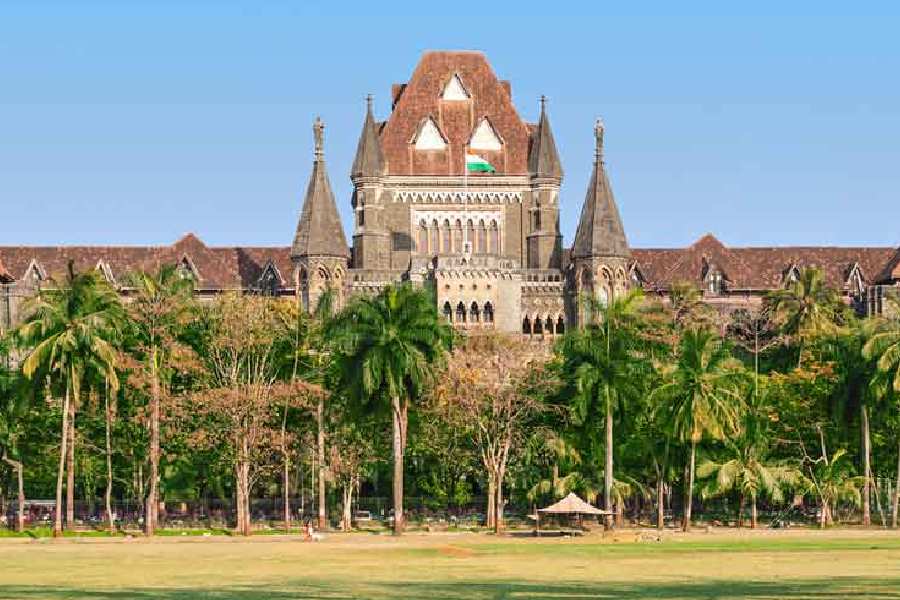
Access to clean and potable water is a fundamental right, the Bombay High Court on Monday said while expressing concern over water scarcity in the state, and sought to know from the government when the issue would be resolved.
A bench of Justices A S Gadkari and Kamal Khata was hearing a bunch of petitions over the issue of deaths of infants, pregnant and lactating mothers due to malnutrition in the tribal Melghat area of Amravati district in the Vidarbha region.
The court was informed that amid soaring summer temperatures, the area was severely affected due to a shortage of clean and potable water. In the last hearing in April, the court was informed that 13 persons had died in the area due to consumption of contaminated water.
The government informed the bench on Monday that potable water tankers were being provided periodically, but the petitioners said the supply was erratic.
The high court then said the government was not doing any "favours" by providing water tankers.
"Access to clean and potable water is a fundamental right enshrined in the Constitution, and the government has a duty to provide the same to all its citizens. Not just the Melghat region but the entire state is facing the issue of water scarcity," it said.
The court directed the government to inform it by when the issue would be resolved and what steps it has taken on the same, and posting the matter for further hearing on Tuesday.
The city has been facing a severe water shortage due to the delayed monsoon and declining reserves in the seven lakes that provide drinking water to Mumbai.
Mumbai relies heavily on these reservoirs, which are replenished during the rainy season. However, because the monsoon arrived later than usual and inflows have remained below normal, water levels have dropped ahead of the peak monsoon period.
Amid the crisis, the Brihanmumbai Municipal Corporation announced new curbs on water usage. It has imposed a 20% reduction in water supply to industrial, commercial and sports facilities.
It has also decided to cut off the water supply to construction sites and swimming pools. Moreover, no new water connections will be approved for construction sites until further notice.
The BMC also said drinking water supplied by it should not be used for washing vehicles, watering gardens or cleaning roads and other premises. Residents and establishments have been asked to use alternative sources of water for such purposes, it added.