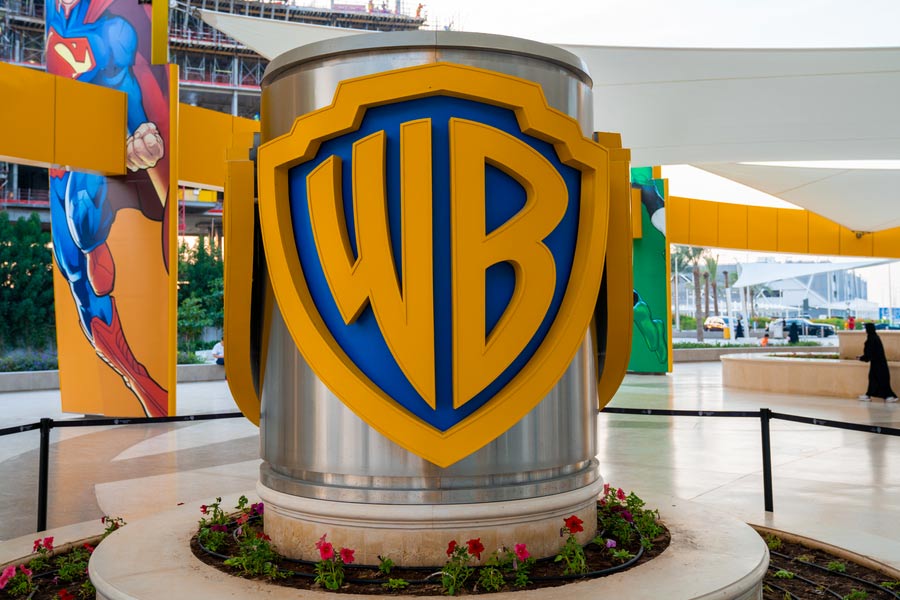
US antitrust regulators appear ready to clear Paramount’s proposed USD 110 billion takeover of Warner Bros. Discovery after a key meeting at the Justice Department, according to US media outlet Semafor.
During the two-hour meeting on Tuesday, Paramount CEO David Ellison assured officials that the merged company would continue releasing films in theatres, amid concerns in Hollywood that the deal could lead to fewer theatrical releases and job losses.
Justice Department antitrust staff questioned Ellison on whether the combined company would become less inclined to release movies on the big screen, a concern also raised by California Attorney General Rob Bonta, who has said he would investigate the merger.
According to the Semafor report, DOJ staff attorneys appeared persuaded by Paramount executives’ arguments that the merger would not hurt rival studios or creative talent.
The discussions, attended by acting antitrust chief Omeed Assefi, also referred to Disney’s acquisition of Fox in 2019, after which Disney reduced theatrical releases in favour of content for its streaming platform.
Paramount executives, including Ellison, told officials that the data from that period was affected by the COVID-19 pandemic, when studios prioritised streaming services over cinema releases.
The proposed merger has triggered opposition in Hollywood, where critics fear the combined company could make fewer films, reduce cinema releases and cut jobs as it focuses more on streaming platforms.
Critics have also expressed doubts over Ellison’s pledge to release 30 films annually after the merger, compared with eight films this year.
More than 3,000 film and television actors and creatives, including Joaquin Phoenix, Ben Stiller and Kristen Stewart, signed an open letter opposing Paramount Skydance’s proposed acquisition of Warner Bros. Discovery.
“We are deeply concerned by indications of support for this merger that prioritize the interests of a small group of powerful stakeholders over the broader public good,” the letter said.
“The integrity, independence, and diversity of our industry would be grievously compromised. Competition is essential for a healthy economy and a healthy democracy. So is thoughtful regulation and enforcement,” it added.