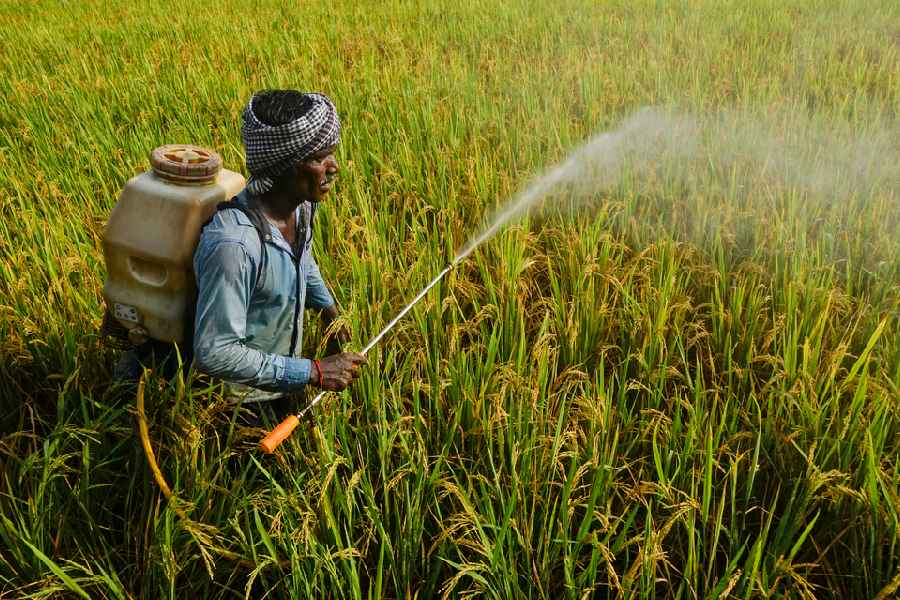
The conflict in West Asia is beginning to hit India’s crop protection industry, with companies warning of higher costs and possible shortages ahead of a key agricultural season.
CropLife India said on Friday that input costs could rise by 20–25 per cent as disruptions in major shipping routes affect the supply of raw materials used in pesticides and other crop protection products.
“The disruptions may lead to shortage of certain crop protection products during a critical agriculture season, impacting yield and quality of produce,” said Ankur Aggarwal, Chairman of CropLife India and Executive Chairman and Managing Director of Crystal Crop Protection Ltd.
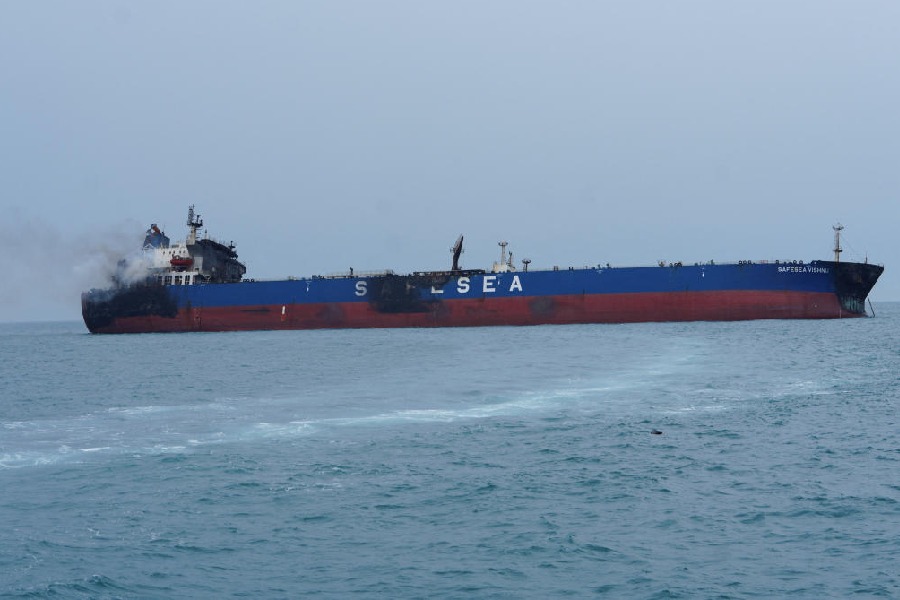
The timing is a concern. Any break in supply during peak farming months can affect both output and crop quality. Companies are already preparing for lower capacity use at technical and formulation plants.
Aggarwal said the industry was already bracing for lower capacity utilisation across technical and formulation plants, with cascading effects on earnings and employment, particularly among Micro, Small and Medium Enterprises (MSMEs).
Smaller firms are expected to feel the pressure more, given their dependence on steady supplies and tighter margins. The industry has asked the government to step in with support, especially on energy costs, to help domestic production stay viable.
CropLife India also warned of a rise in fake or substandard products if shortages worsen.
“The supply gaps and volatility could spur circulation of illicit, counterfeit or substandard products, therefore it is critical that we remain vigilant and activate all monitoring mechanisms,” Aggarwal said.
The body said it will continue working with the government on a regulatory framework that supports innovation while ensuring farmer and consumer safety.
With supply chains under stress, the coming months could be challenging for both companies and farmers.