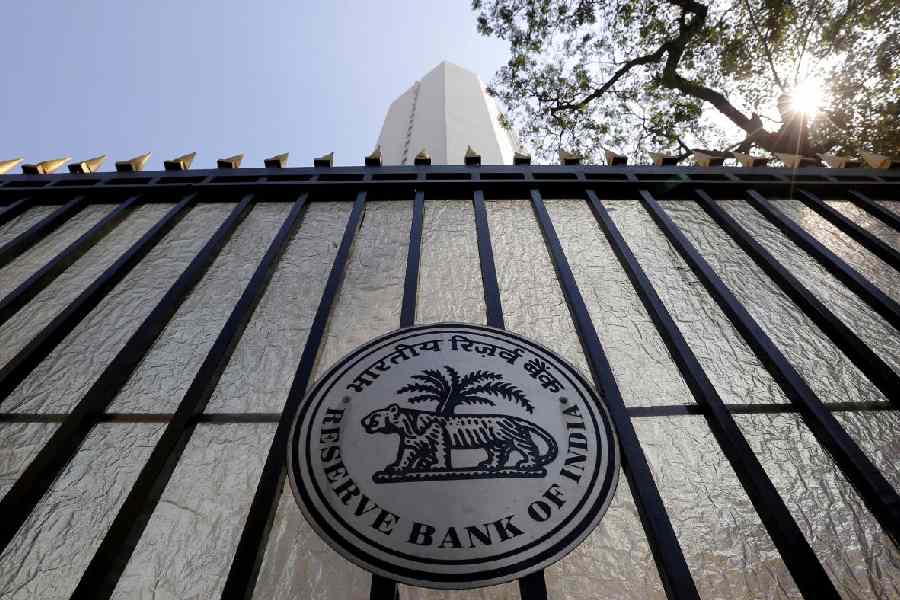
The Reserve Bank of India (RBI) on Monday decided against activating the countercyclical capital buffer (CCyB), saying the current macro-financial conditions do not warrant additional capital requirements for banks.
The CCyB is a tool aimed at strengthening the resilience of the banking sector during periods of excessive credit growth and rising systemic risks. Under the framework, banks are required to set aside additional capital buffers in good times, which can later be drawn down during periods of economic stress.
The measure is also intended to curb indiscriminate lending during phases of rapid credit expansion that could lead to the build-up of financial vulnerabilities across the banking system.
In a statement, the RBI said that under the framework prescribed in the RBI (Commercial Banks – Prudential Norms on Capital Adequacy) Directions, 2025, the CCyB would be activated “as and when circumstances warrant”, with such decisions normally being pre-announced.
The framework identifies the credit-to-GDP gap as the principal indicator for assessing the need for activating the buffer, supplemented by other macro-financial indicators.
“Based on review and empirical analysis of CCyB indicators, it has been decided that it is not necessary to activate CCyB at this point in time,” the central bank said.
Investment fluctuation
Separately, the RBI also withdrew the requirement for commercial banks to maintain an Investment Fluctuation Reserve (IFR), a buffer created to protect against depreciation in the value of investments subject to mark-to-market (MTM) norms.
The move came through the Reserve Bank of India (Commercial Banks – Classification, Valuation, and Operation of Investment Portfolio) Second Amendment Directions, 2026.
The RBI said evolving prudential frameworks governing market risk and investment portfolios necessitated changes to the existing instructions. Banks had so far maintained IFR as an additional cushion against valuation losses in their investment books.