Rice exporters in Haryana are facing delays in payments and disruptions in shipments to Iran and Afghanistan after US and Israeli military strikes on Iran triggered uncertainty across trade routes.
“Some impact of the conflict on the trade has already started,” Sushil Kumar Jain, Rice Exporters Association’s state unit president, said on Sunday.
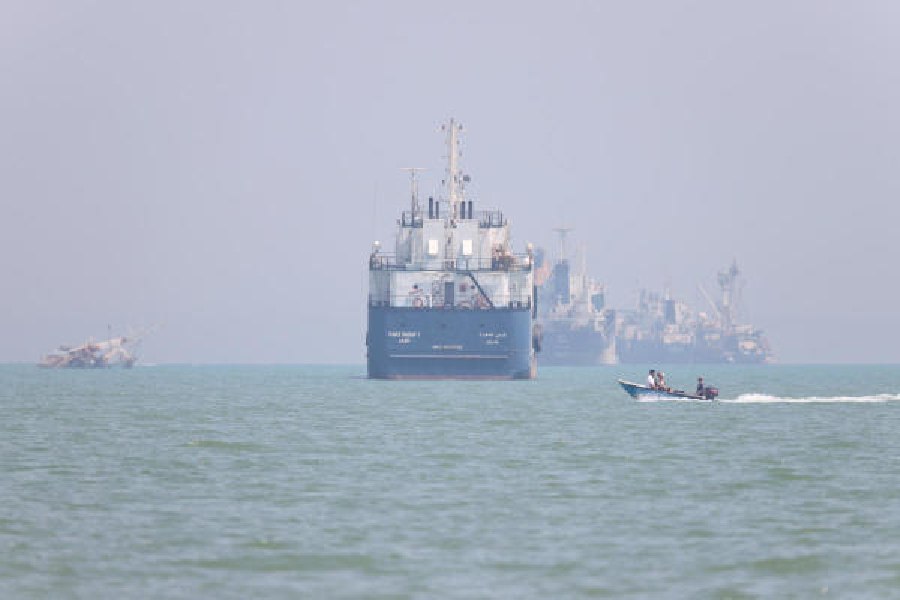
Shipments headed to Iran and even consignments meant for Afghanistan that move through Iran’s largest port, Bandar Abbas, have been held up. “These shipments will remain stuck till the situation improves, and it will impact the market. Payments may also get delayed,” Jain told PTI.

Jain said it was too early to assess the overall impact, as much would depend on how long the conflict continues.
The United States and Israel launched a major attack on Iran on Saturday, with US President Donald Trump calling on the Iranian public to rise up against the Islamic leadership that has ruled the country since 1979.
Haryana plays a central role in India’s basmati rice trade. Jain said nearly 35 per cent of the country’s annual basmati exports come from the state.
Traders say the effect is already visible in the market. Neeraj Kumar, a rice miller from Karnal, said uncertainty set in almost immediately. “Since yesterday, there has been a situation of uncertainty after the conflict began. Within one day of the conflict, trade has impacted, causing a fall of nearly Rs 4-5 per kg in basmati rates, which accounts for Rs 400-500 per quintal”.
Kumar pointed to similar disruptions in the past. “Last time in June there was an impact,” he said, referring to the Iran-Israel conflict last year.
“Haryana has the maximum contribution in India’s basmati exports, and the prevailing situation will have an impact,” he said. Iran remains a key buyer of Indian basmati.
“Iran is our biggest buyer of basmati, while it is also exported to other countries, including the UAE, Oman, Yemen and Iraq. The shipments for March will be affected. The actual impact on the trade will depend on how long the conflict lasts,” Kumar added.
Karnal is the main hub for basmati exports in Haryana, with Kaithal and Sonipat also contributing to overseas shipments.
Exporters are also worried about insurance. War-related risks often lead to withdrawal of vessel coverage, increasing exposure for traders.
Iran is India’s second-largest basmati rice market after Saudi Arabia. India exported around 1 million tonnes of basmati rice to Iran in the 2024–25 financial year, which ended in March.
Overall, India exported about 6 million tonnes of basmati rice during 2024–25, with demand largely coming from the Middle East and West Asia. Major buyers also include Iraq, the United Arab Emirates and the United States.