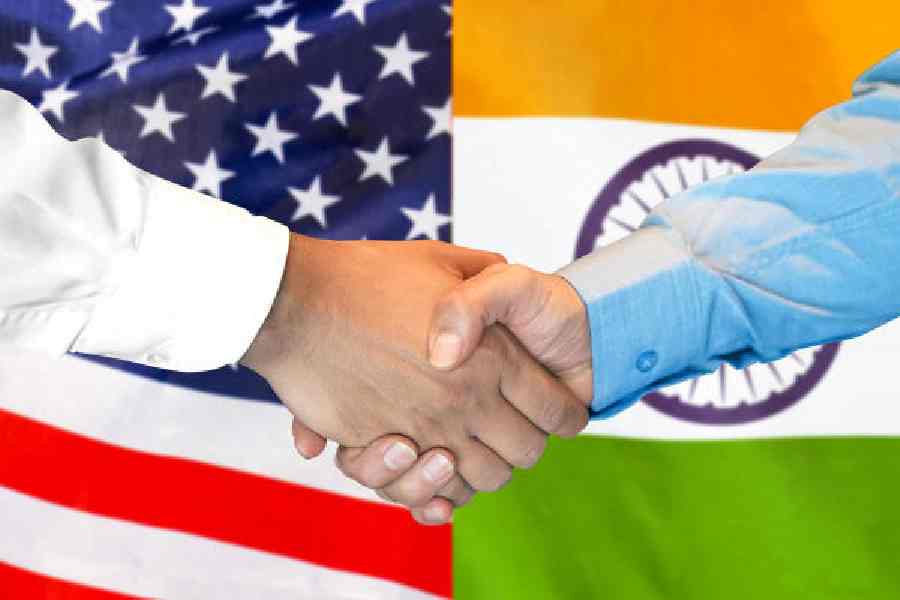
The proposed framework for the India-US interim trade agreement has drawn broad-based support from export-oriented sectors, including aerospace, pharmaceuticals, medical devices, gems and jewellery and textiles, which expect improved access and competitiveness in the US market, even as domestic spirits makers sought safeguards and cautioned against uneven competition from cheaper American imports.
The aerospace industry welcomed the proposed tariff cuts on aircraft parts, with Airbus India and South Asia president and MD Jürgen Westermeier saying the framework would help global manufacturers de-risk and diversify sourcing, allowing Indian suppliers to integrate more seamlessly into global aerospace supply chains.
Boeing India and South Asia president Salil Gupte said the agreement would boost industrial growth, strengthen national security, and deliver win-win opportunities for both countries.
The Indian Pharmaceutical Alliance (IPA) said strengthening the India-US medicines partnership is critical as medicine security is part of national security, noting that generics are exempt from tariffs even as pharmaceuticals remain under the US Section 232 national security review.
The gems and jewellery industry termed the deal a turning point, with zero-duty access for diamonds and coloured gemstones expected to revive exports to the US.
Textiles exporters said reciprocal tariffs cut to 18 per cent for labour-intensive sectors would provide a significant boost to competitiveness in the US market, aiding apparel and home textile shipments.
“The India-US interim trade framework marks a major win for India, with reciprocal tariffs cut to 18 per cent for several labour-intensive sectors, including textiles. This will provide a strong boost to India’s export competitiveness,” said Vijay Kumar Agarwal, chairman, Texprocil.
The agreement also opens the Indian market wider to American wines, spirits and select agri products, drawing a mixed response from the domestic alcohol industry.
The Confederation of Indian Alcoholic Beverage Companies said it supports calibrated duty reduction but called for a phased approach, to ensure a level playing field for Indian producers.
American whiskey producers said the framework would enable long-term investment and competitive access to a fast-growing spirits market.
“This is not about a single tariff change or short-term gains—it’s about securing durable, competitive access to a market that will define global spirits growth for decades,” said Michael Bilello, president and CEO of the American Whiskey Association.