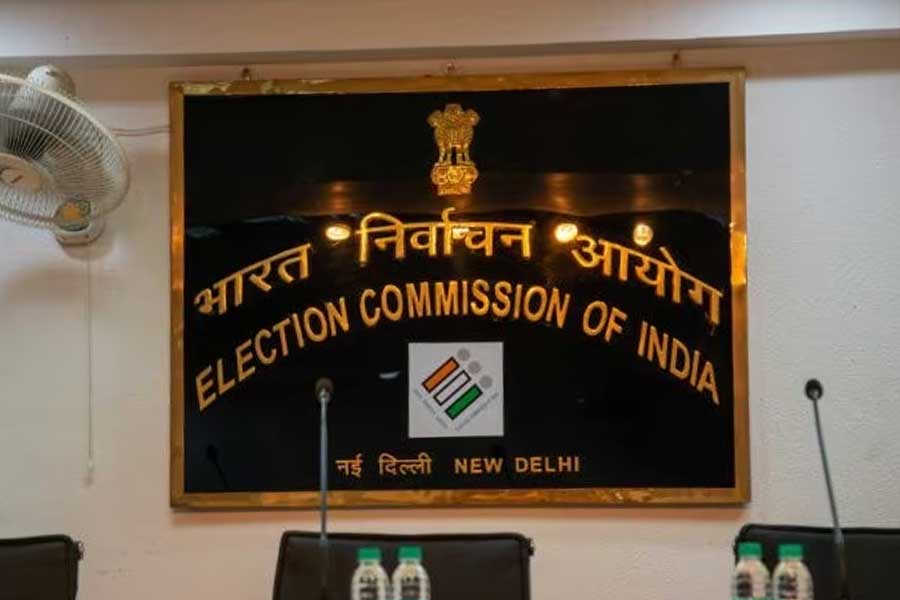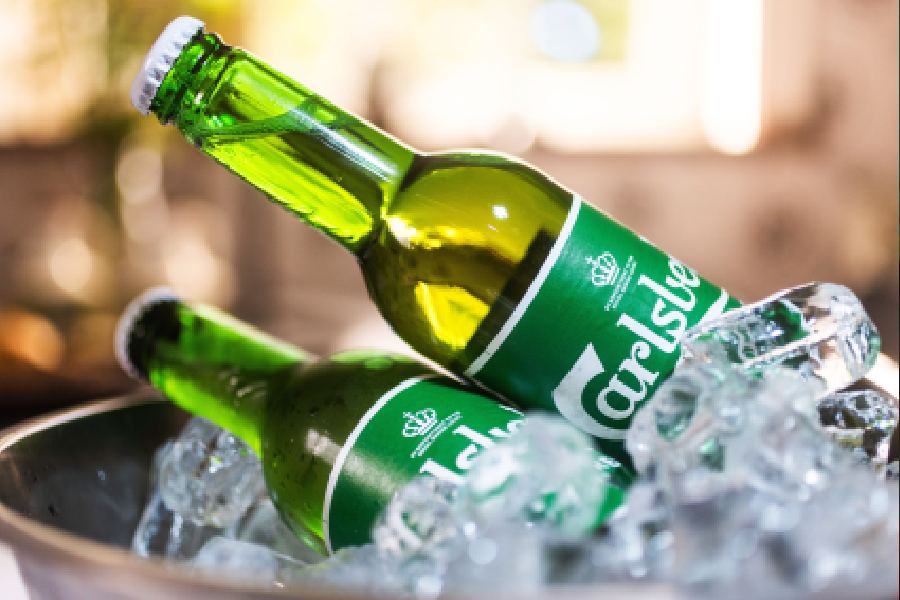
A European industry lobby group, whose members include Pernod Ricard, Anheuser-Busch InBev, Heineken and Carlsberg, has asked India for an exemption from a 10 per cent import duty on glass bottles and aluminum cans, amid shortage fears triggered by the Iran war, a letter, seen by Reuters, shows.
The Federation of European Businesses in India wrote to the Indian government on April 2 highlighting that companies' can and bottle supplies were constrained as local manufacturers were not able to operate at optimal capacity.
The letter highlights pressures in India's $65 billion alcohol market which is facing higher costs for glass bottles, cartons and labels as a result of the Middle East crisis.
And in India it is more difficult for drinks companies to pass this on to customers as retail price changes require government approvals in around two-thirds of India's 28 states.
The drinks industry in the country is already facing an up to 15 per cent cost increase due to higher prices of raw materials like cartons and adhesives.
The Federation's letter requested "a temporary customs duty waiver on packaging imports for aluminium cans and glass bottles," adding that exploring alternative sourcing options from other countries could add 30 per cent to industry's costs of these raw materials.
India's commerce and finance ministries did not respond to Reuters queries.
The Federation of European Businesses in India declined to comment. Pernod Ricard, AB InBev, Heineken and Carlsberg did not immediately respond to requests for comment.
Prices of glass, cans on the rise
India's alcohol market is expected to grow at nearly 8 per cent a year until 2033, making it among the world's fastest growing, Coherent Market Insights said.
Data from Euromonitor on Thursday showed Heineken has the largest share in the beer sector, while Diageo and Pernod top India's spirits market in terms of volume.
Beer companies have already sought a price increase in many states to tide over the crisis of higher costs, according to industry group Brewers Association of India.
"The war has brought down the domestic supply of glass bottles and aluminium cans substantially and the beer industry must import them if it has to meet the domestic demand," the association's director general Vinod Giri said on Thursday. "Price of glass and cans has also risen substantially in the international market, which has further increased for Indian importers due to the fall in Indian rupee."
One global liquor industry source told Reuters companies in India were considering imports from Southeast Asian countries as they are concerned they could run out of cans and bottles starting from May.
Businesses, households, agriculture and public transport in India are heavily reliant on gas, with the country's factories among the most vulnerable in Asia.
India's government said on Wednesday it will now allocate 70 per cent of pre-crisis level supplies of liquefied petroleum gas to select commercial units.
March imports of liquefied natural gas - often used in glass factories - were the lowest since January 2025, LSEG data shows.
The US and Iran reached a two-week ceasefire agreement this week, but there is no sign yet that this has opened up the Strait of Hormuz, a major trade route, to shipping.