The European Union and India could sign a landmark free trade agreement by the end of January, a move that could reshape global trade ties as protectionism rises and US-India talks remain stalled.
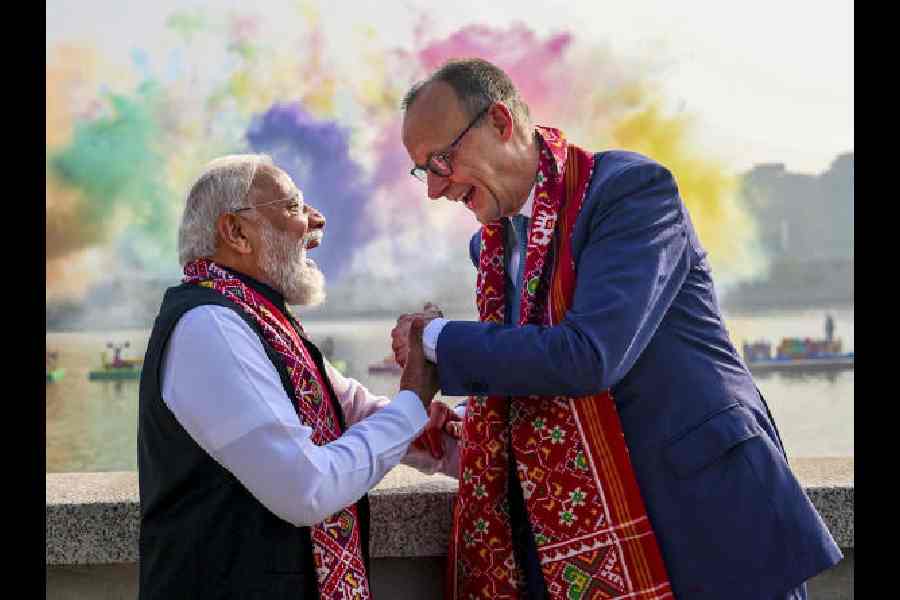
Top EU leaders would travel to India to seal the deal if negotiations wrap up in time, German Chancellor Friedrich Merz told reporters on Monday in Ahmedabad after meeting Prime Minister Narendra Modi.
“In any case, they will take another major step forward to ensure that this free trade agreement comes into being,” Merz said during his first trip to India since becoming Chancellor.
A trade deal, under discussion for years, is seen as a chance for both sides to strengthen economic ties and cut reliance on China and Russia. Bilateral trade between India and the EU totalled €120 billion ($140.21 billion) in 2024, making the bloc India’s biggest trading partner.
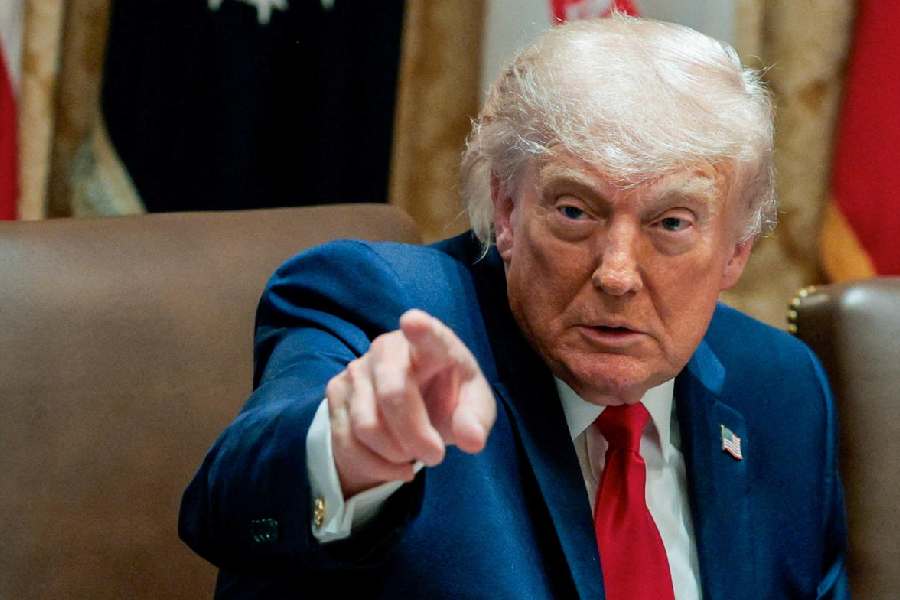
Talks have gathered pace since the United States, under President Donald Trump, raised tariffs on Indian goods and pressured New Delhi to stop buying Russian oil.
A separate India-US trade deal failed to materialise last year after a breakdown in communication between the two governments.
The EU-India pact would follow on the heels of the European Union’s recent agreement with South America’s Mercosur group and support Europe’s push to build new trade networks as global rules shift.
Commerce minister Piyush Goyal, speaking at a separate event in Gujarat, said an agreement was almost at its final stages.
German officials told Reuters the latest talks between Merz and Modi were “very intensive”, raising hopes for a breakthrough.
The EU is pushing for steep tariff cuts on cars, medical devices, wine, spirits and meat, along with stronger intellectual property rules, while India is seeking duty-free access for labour-intensive goods and faster recognition of its growing automobile and electronics sectors.
An Indian official familiar with the talks told Reuters last month that disputes over steel, carbon levies and market access would need further compromise.
India and Germany signed agreements on minerals, healthcare and artificial intelligence during Merz’s visit.
Germany, which relies on India as a growing market, is also urging India to reduce its dependence on Russian energy and arms. New Delhi still works closely with Russia, where much of its military equipment originates, on security policy, and it is one of the largest buyers of Russian gas and oil alongside China.
“We are in complete agreement in our assessment of Russia’s war of aggression against Ukraine,” Merz said. At the same time, he understood how dependent India still is on Russian oil and gas. “Obviously, it is not that simple in India, and I am the last person to visit other countries wagging my finger at them.”
Visa-free transit
Germany has announced a visa-free transit facility for Indian passport holders travelling through its airports to another country, a move which is expected to ease international travel for Indian nationals by making journeys less paperwork-intensive and quicker.