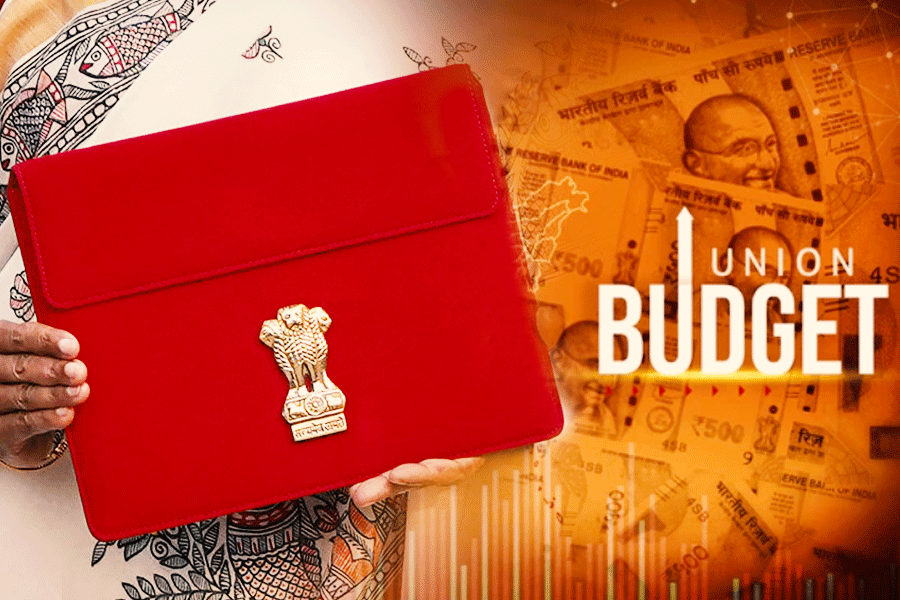
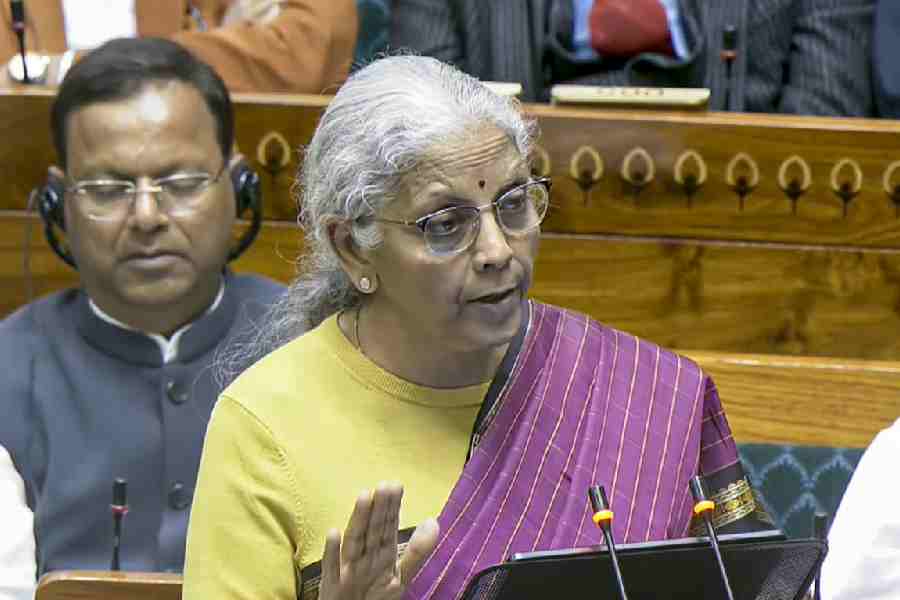
Cancer medicines, smartphones and travel abroad may strain wallets less this year, while imported liquor, luxury watches and tobacco are set to pinch harder, as Union finance minister Nirmala Sitharaman’s ninth Union Budget redrew the everyday cost map for households.
Here is a closer look at what gets cheaper — and what becomes costlier — after Budget 2026.
What gets cheaper
Cancer drugs and rare disease medicines
Basic customs duty on 17 cancer-related drugs and medicines are likely to be removed following a proposal in the budget. The move is aimed at bringing down the costs of treatment, especially those of imported cancer drugs that attract high duties and substantially inflate retail prices.
The government has also extended customs duty relief to drugs and specialised foods used in the treatment of seven additional rare diseases. Under this proposal, personal imports of medicines and foods for special medical needs for these conditions will be exempt from import duties.
Foreign tourism packages
Overseas travel may now come with a smaller tax bill. The tax collected at source (TCS) on foreign tourism packages has been reduced sharply to two per cent, from the earlier five per cent to 20 per cent rate structure, easing upfront costs for travellers.
Foreign education
Students planning to study abroad are also set to benefit. The Budget announced a lower tax deducted at source (TDS) under the Liberalised Remittance Scheme for education-related expenses, reducing the immediate financial burden on families funding overseas education.
Microwave ovens
Household appliances get a modest boost as well. Microwave ovens will become more affordable after the exemption of basic customs duty, lowering import costs.
Smartphones and tablets
Phones assembled in India are likely to get cheaper. Several components used in mobile phone manufacturing will now attract lower tariffs, which could bring down prices of smartphones and tablets. The cut may also reduce costs for some imported electronics purchased for personal use.
Leather goods
The government has proposed duty-free imports of certain inputs to promote leather exports. This may lower prices of leather products in the domestic market and offer relief to exporters facing pressure from high US tariffs.
Sports equipment
Aligned with the push for sports under the Khelo India mission, sports equipment is expected to become cheaper following duty rationalisation.
Aircraft parts, EV batteries and solar panels
In a bid to strengthen India’s aviation ecosystem, basic customs duty has been exempted on parts and components required to manufacture civilian and training aircraft. Reduced tariffs will also bring down costs of electric vehicle batteries and solar panels in the 2026-27 fiscal year.
What gets costlier
Luxury watches and imported alcohol
Luxury consumption takes a hit. Certain high-end goods, including luxury watches and liquor imported from abroad, will now cost more following changes in customs duties.
Coffee-related equipment
Coffee lovers may feel the pinch.
Exemptions on coffee roasting, brewing and vending machines have been removed, making specialised coffee equipment more expensive — a likely cost passed on by cafés.
Fertilisers
Some fertilisers are set to get costlier after the government withdrew import fee exemptions on ammonium phosphate and ammonium nitro-phosphate, key inputs used in manure and complex fertilisers.
Tobacco products
Prices of cigarettes, pan masala and similar tobacco products will rise due to higher excise duties and the introduction of a new cess, reinforcing the government’s revenue and public health objectives.
Market trading
Trading in futures and options will also become more expensive. The Securities Transaction Tax (STT) has been increased, adding to costs for market participants.
Industrial machinery and filming equipment
Exemptions on import duties have been revoked for certain industrial machinery where domestic manufacturing capacity is considered adequate. While intended to promote local industry, this could raise costs for businesses that relied on cheaper imports.
Imported television equipment, cameras and other filming gear are also set to become more expensive.