Book: THE HOUSE THE PRESS BUILT: ALLAHABAD ANECDOTES FROM THE INDIAN PRESS FAMILY
Author: Anjana Basu
Published by: Rupa
Price: Rs 395
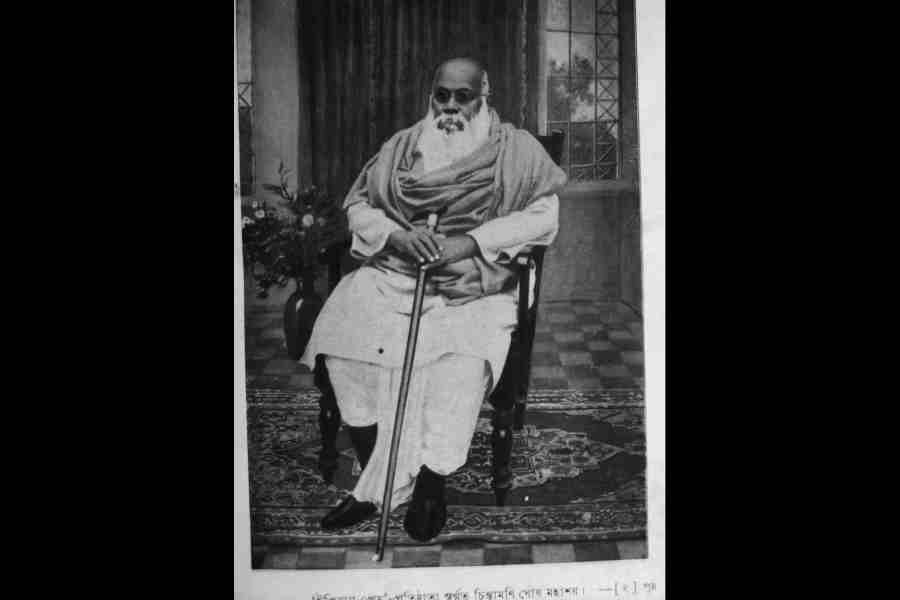
Printing-press owners are seldom praised for their role in nation-building and the spread of education. Chintamoni Ghosh, a printer and publisher who owned the Indian Press and made significant contributions to printing in the country, is someone who went underappreciated for long.
Ghosh started the first Hindi magazine, Saraswati, and was regarded as the William Caxton of the Hindi world. Chintamoni, who hailed from Bally in West Bengal’s Howrah district, came to Allahabad with his father. But he had to start work as a junior clerk when his father died. Later he bought a second-hand Crown hand press and accessories with borrowed funds from his friend and set up his establishment in Allahabad in 1884.
Anjana Basu, who belongs to the family, has thrown light on many aspects of Chintamoni and his family of 10 sons and daughters and their families by piecing together anecdotes she had heard from family members.
Ghosh’s Indian Press is associated with being the first printer of Rabindranath Tagore’s Gitanjali. There are several stories about the great poet’s visit to Ghosh’s house that are now part of family folklore. He first visited the house after Chintamoni managed to bring out the 200-page manuscript of Gitanjali, handwritten by Tagore, in five days — an incredible feat as modern printing technology was not available at the time. Tagore, impressed by the quality of the book and its fine printing, visited Ghosh’s house to personally thank Chintamoni. As a token of his appreciation and on request, he played the piano that was in the house and sang one of his songs — “Amar matha noto kore dao he”. Tagore’s second visit to the Ghoshs’ was for a more selfish reason: he wanted the copyright from Chintamoni of Gitanjali for the printing press of his university, Visva- Bharati. Chintamoni handed over the copyright on the payment of a token sum of one rupee and two songs from Tagore. Later, he told one of his sons, “I have not merely given away the copyright. I have made a permanent contribution to the nation.”
Chintamoni printed not only the works of Tagore but also those by a host of well-known Hindi writers like Nirala and Prem Chand besides publishing thought-provoking essays in Saraswati and other acclaimed magazines. He expanded his business to other areas like sugar production, perfumery and carpet making. His growing wealth earned him the admiration of the elites of Allahabad like Motilal Nehru and the Banerjees of the famous book distributor, A.H. Wheeler. But Chintamoni also gained respect for his business ethics that earned him the admiration of his British business associates.
Basu spends a little more space than needed on the family’s daily routine and the pomp and the grandeur of the Ghosh household during ceremonies and festivals. She mentions several family members and famous personalities who visited the house over the years. But beyond anecdotes, she fails to flesh them out. However, her crisp narrative is likely to stoke readers’ interest in both Chintamoni and his large household.