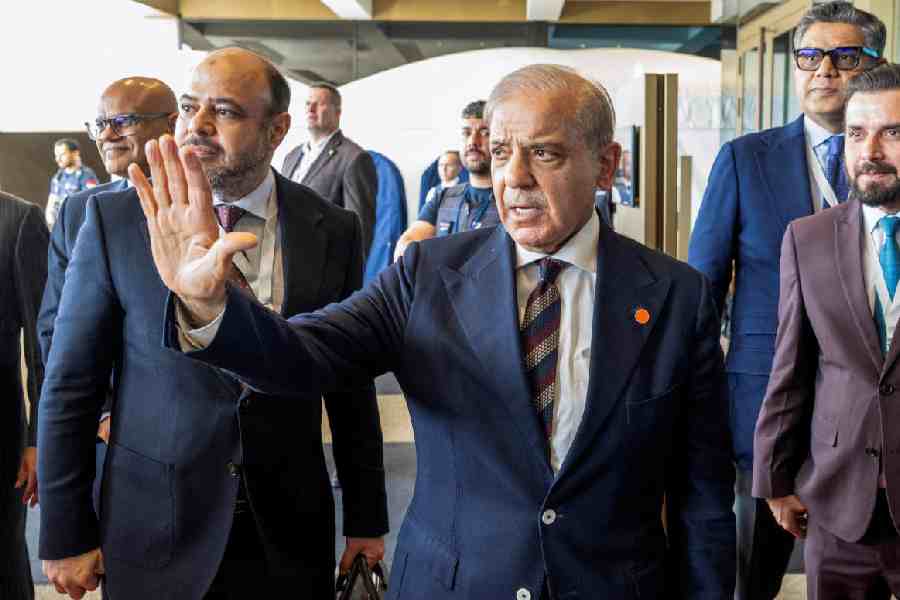
Pakistan’s Prime Minister Shehbaz Sharif landed in Switzerland on Sunday, along with Army chief Asim Munir and a delegation, to participate in the US-Iran talks, aimed at restoring peace in West Asia, according to an official statement issued by Islamabad.
The technical-level talks are scheduled to be held in the Burgenstock Alpine ridges on Sunday, the Prime Minister’s Office said.
“The Prime Minister and COAS & CDF Field Marshal Syed Asim Munir will participate in the High-Level Talks on the implementation of the Islamabad Memorandum of Understanding,” it said in a statement on X.
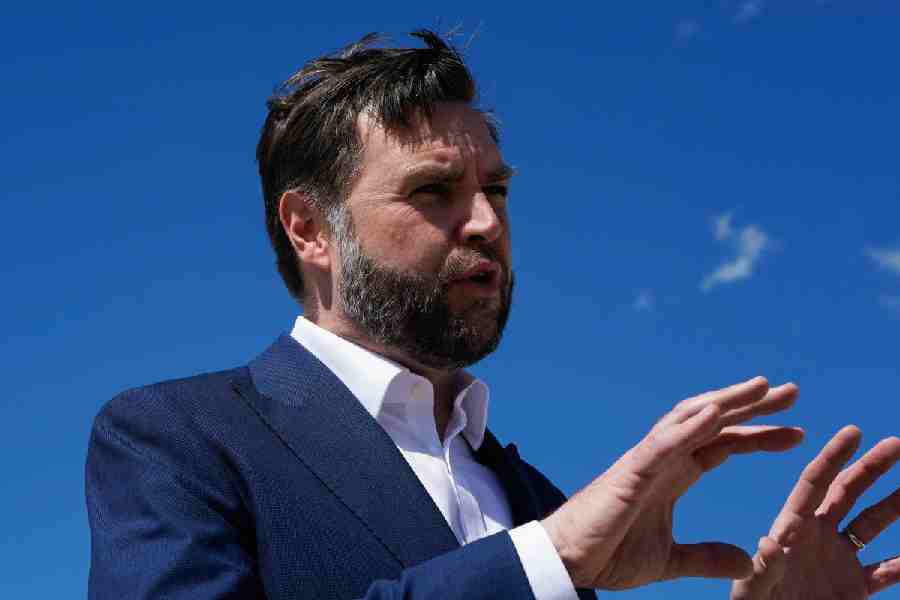
Earlier in the day, US Vice President JD Vance landed in Switzerland for the talks, while negotiators Steve Witkoff and Jared Kushner were already there.
"I think we're going to hopefully make progress on the nuclear issue, make progress on the Lebanon ceasefire issue," with a "couple days of talks" likely, Vance told reporters at Joint Base Andrews in Maryland before departing.
An Iranian delegation has also reached Switzerland.
According to an Iranian state TV report, Tehran's negotiators include parliamentary speaker Mohammad Bagher Ghalibaf and foreign minister Abbas Araghchi, along with its central bank and oil officials.
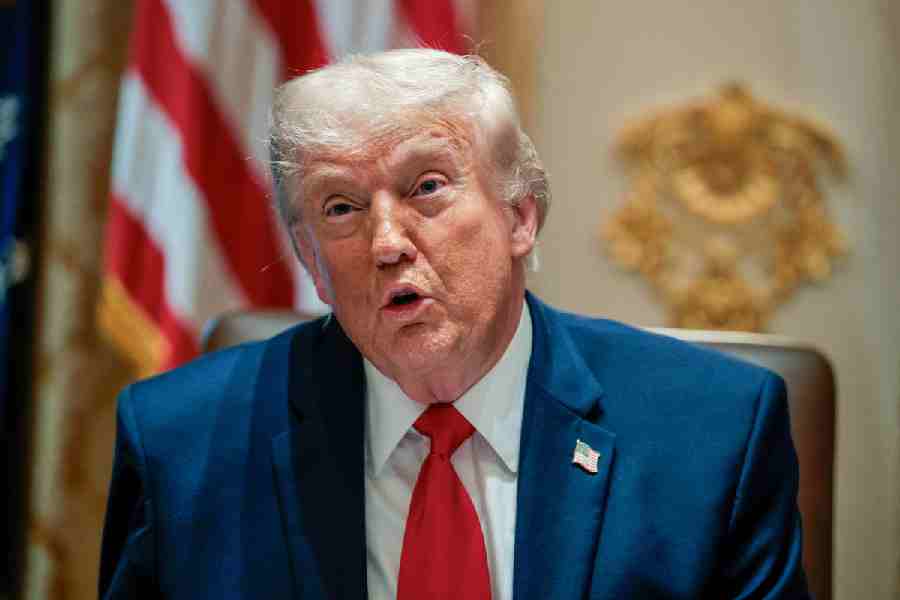
US President Donald Trump and Iran President Masoud Pezeshkian last week signed a Memorandum of Understanding (MoU), which marked the beginning of a 60-day negotiation window for resolving the sticking points to restore peace in West Asia.
The technical aspects of the negotiations were supposed to begin on Friday, but were delayed, primarily due to fresh rounds of firing between Israel and Lebanon.
Top leaders from Pakistan, which also signed the MoU as a guarantor, and Qatar are supposed to participate in the talks as mediators.
On Sunday, the Pakistan foreign office further said that PM Sharif is also expected to hold bilateral interactions with the participating delegations from Iran, Qatar, Switzerland and the US, on the sidelines of the negotiations, to reaffirm Islamabad’s commitment to dialogue and durable peace in the region.
“Pakistan's facilitative role underscores its principled, balanced, and constructive approach throughout the crisis, including hosting earlier rounds of US–Iran talks and sustained diplomatic contacts that culminated in the Islamabad Memorandum of Understanding,” it said.
The signing of the MoU led to the reopening of the Strait of Hormuz - the waterway which transits roughly one-fifth of the world’s energy supplies.
But, Iran said on Saturday that it has closed the waterway again, citing Israeli attack in Lebanon, while the US said it is open.
Mohammad Mokhber, an adviser to Iran's supreme leader, Ayatollah Mojtaba Khamenei, accused the U.S. of failing to implement the first of the Iran deal's 14 points, which include a ceasefire "on all fronts", including Lebanon.
As long as the agreement was only on paper, the flow of Middle East energy would stay halted, he added.
On the other hand, Iranian Oil Minister Mohsen Paknejad said that if Western stakeholders adhere to the spirit of the pact, hundreds of investment opportunities and contract formats stand ready, according to the ministry's news outlet, Shana.