When Israel and the US first dropped bombs on Tehran, his native city, Aryan was elated. He was convinced he was witnessing the end of nearly five decades of brutal theocracy.
A week into the onslaught, he watched the midnight sky light up under ferocious bombardment and saw dawn darken as toxic black smoke choked the Iranian capital and burned his skin.
The shock of those scenes left him wondering if his hopes for the US-Israeli campaign were “just my own illusion”.
“They’ve hit everywhere. The night turned into morning, and morning into night,” said Aryan, 33, who like all those interviewed by The New York Times, asked not to be identified by his full name, fearing retaliation. “People are becoming more discouraged, like I am.”
Across Iran, more than 90 million people are trapped between two terrifying realities. American and Israeli leaders, whose bombs are razing ever more parts of their infrastructure, have called on Iranians to use this as an opportunity for liberation. And their rulers, determined to cling to power, have threatened more bloodshed against whoever dares answer that call.
“A society worn down by authoritarianism suddenly finds itself in the middle of a fire that has flared from outside,” Mohammad Maljoo, a well-known economist in Iran, wrote on social media, adding, “War opens neither a door to reform nor a horizon of liberation.”
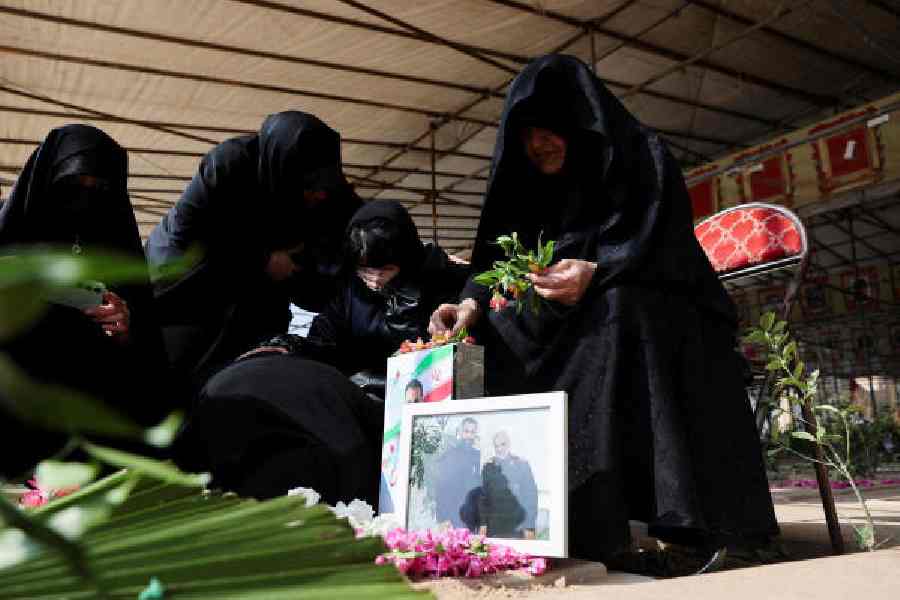
For Iranians, apocalyptic scenes of bombardment — street gutters ablaze in Tehran, mothers huddling with children in shaking bathrooms and a school obliterated in the first hours of the war — are the most terrifying episodes in a string of devastations to grip their country over the last nine months.
After the war began, Asoo, a Persian-language publishing house, invited residents of Tehran to publish anonymous notes about their feelings. Often, these were a jumbled mix of persistent hopes that the chaos could still bring down the current system and despair over the destruction that was being wrought.
“We are living in a space filled with fear and hope, but my fears are greater than my hopes,” one respondent said.
For days, American and Israeli bombardments have pulverized Iranian military, intelligence and police sites across the country. And yet, there is no clear indication of a collapse in the government’s deeply entrenched and ideologically motivated security forces.
Many residents describe seeing large crowds of Basij, the plainclothes militia linked to the Revolutionary Guards, wandering the streets on motorcycles and shouting religious slogans as they pass.
Intelligence and security services still seem to be monitoring signs of dissent.
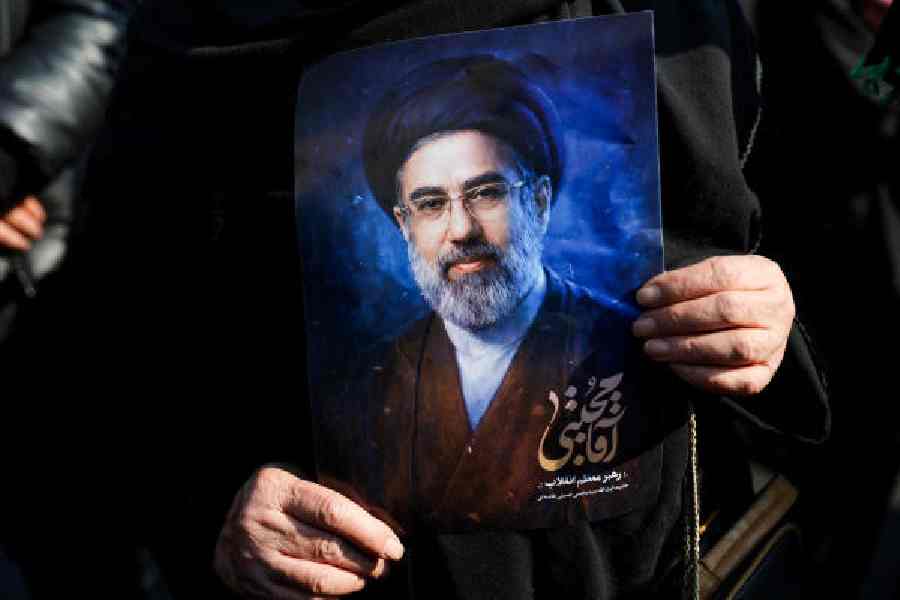
A resident of one wealthy high-rise in Tehran, Farzad, said that in the hours after the announcement that Ayatollah Khamenei had died, his neighbours loudly celebrated on their balconies, shouting cheerfully into the streets.
Days later, he said, the building’s administration informed them that it had been warned by the security services that their apartments would be raided should any further outbursts occur.
Amir Hossein Bagheri, an engineer in Iran, wrote on his Facebook page that he was as wary of state media as he was of foreign news outlets, saying that it rarely covered how deadly and terrifying the war has been for Iranian civilians. “None of them are trustworthy,” he wrote.
Recent attacks — and the responses US military officials have offered — appear to have only deepened the mistrust.
New York Times News Service