Well before the latest wave of protests in Iran, Saeed, a tech entrepreneur in Tehran, was ready for them.
For months, it felt as if he and his country were in free-fall. He had spent many sleepless nights since Israeli forces battered Iran’s nuclear facilities in June, agonising over his family’s future and whether more war was inevitable. A deepening economic crisis forced him to lay off his employees. All the while, Iran’s plummeting currency was evaporating his savings.
“I made my decision to join before these protests even took place,” said Saeed, who asked to withhold his full name, fearing retribution from the authorities.
“I am tired and exhausted by the fools and idiots that get to govern us,” he said. “I am tired of their theft, corruption and injustice.”
On December 28, the Iranian rial plunged to an all-time low against the US dollar, and unleashed the wave of anger Saeed had been expecting.
Within hours, shopkeepers in Tehran’s bazaars — the historic heart of Iran’s economy — organised a strike and took to the streets.
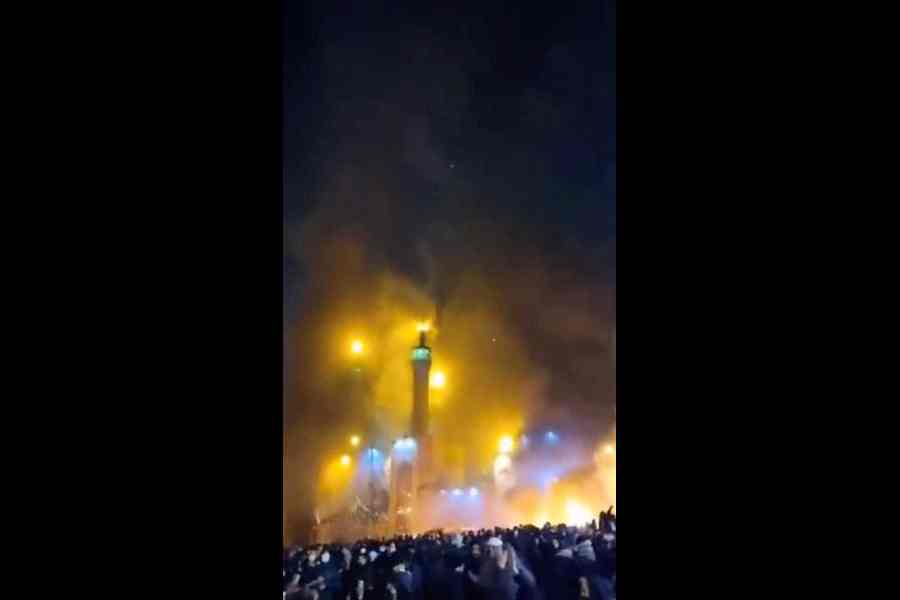
Over nearly two weeks, protests have spread from the markets and universities of major cities to the impoverished towns in Iran’s hinterland, killing dozens, according to rights groups.
The protests come at a precarious moment for Iran’s authoritarian government. Already weakened by its international foes, it now faces domestic unrest, drawing an ever broader spectrum of the population.
Over more than a decade — in 2009, 2019, 2021 and 2022 — Iranians have taken to the streets against their theocratic rulers. In all those movements, security forces prevailed with brutal crackdowns.
Yet each of the 10 protesters interviewed by The New York Times by phone — all of whom requested to withhold surnames for their safety — said these protests felt far more dangerous to the Islamic Republic.
“We can see from the news and from some government reactions that this regime is terrified to its bones,” said Sahar, 33, a protester in Tehran.
Domestically, the widespread demonstrations of 2022, known as the “Women, Life, Freedom” movement, rebelled against social repression, like the mandatory hijab, but they barely mobilised poorer, conservative Iranians. Today’s protests, spurred by economic pain, brought the poor and middle class alike to the streets.
Despite the risks, several protesters interviewed by The Times described demonstrators as increasingly emboldened.
“People have become much braver than in previous protests,” said Saeed. “They are using any tool and location
at their disposal and available to them.”
New York Times News Service