US President Donald Trump has paused “Project Freedom,” a naval operation to escort stranded ships through the Strait of Hormuz, citing significant headway in negotiations with Iran aimed at ending the ongoing conflict.
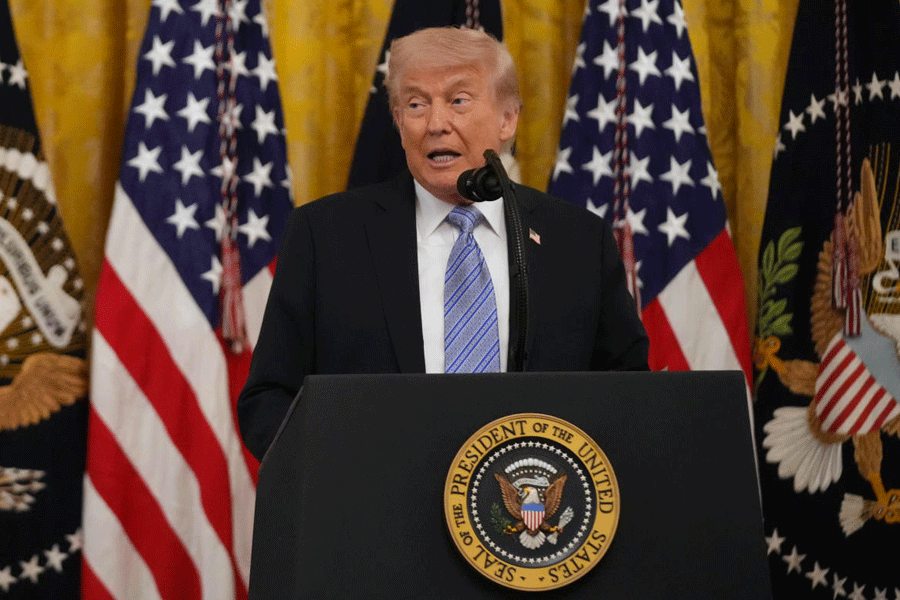
In a post on Truth Social on Tuesday, Trump said, “Great progress has been made toward a complete and final agreement with representatives of Iran.” He added, “Based on the request of Pakistan and other Countries, the tremendous Military Success that we have had during the Campaign against the Country of Iran and, additionally, the fact that Great Progress has been made toward a Complete and Final Agreement with Representatives of Iran, we have mutually agreed that, while the Blockade will remain in full force and effect, Project Freedom (The Movement of Ships through the Strait of Hormuz) will be paused for a short period of time to see whether or not the Agreement can be finalized and signed."
The operation, launched on Monday, was aimed at escorting vessels stranded due to the closure of the Strait of Hormuz to safety. Trump had announced the initiative a day earlier, with US Central Command executing it shortly thereafter.
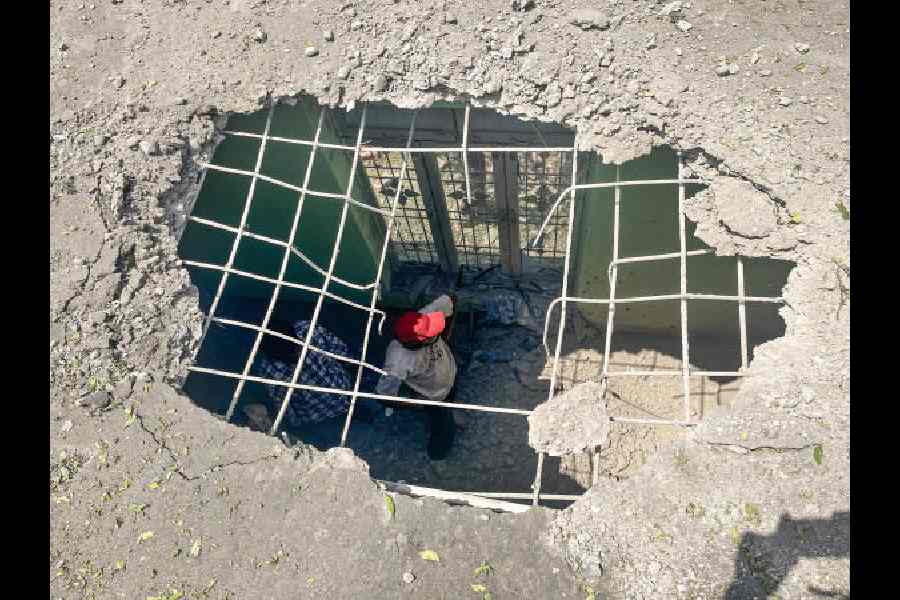
However, the mission triggered tensions in the strategic waterway, which handles nearly one-fifth of global oil shipments. The UAE alleged that its vessels were attacked by Iran, while the United States claimed it had destroyed several Iranian small boats during the standoff.
Trump’s remarks came hours after US Secretary of State Marco Rubio confirmed that “Operation Epic Fury,” launched on February 28, had concluded after achieving its objectives.
"Operation Epic Fury is concluded. We achieved the objectives of that operation. We're not cheering for an additional situation to occur. We would prefer the path of peace. What @POTUS would prefer is a deal... that is, so far, not the route that Iran has chosen," Rubio said at a White House press conference on Tuesday.
Addressing “Project Freedom,” Rubio said the mission was focused on evacuating nearly 23,000 civilians from 87 countries who were stranded in the Persian Gulf.
"This is not an offensive operation. This is a defensive operation, and what that means is very simple: there’s no shooting unless we're shot at first. We’re not attacking them, but if they're attacking us or they’re attacking a ship, you need to respond to that," Rubio said.