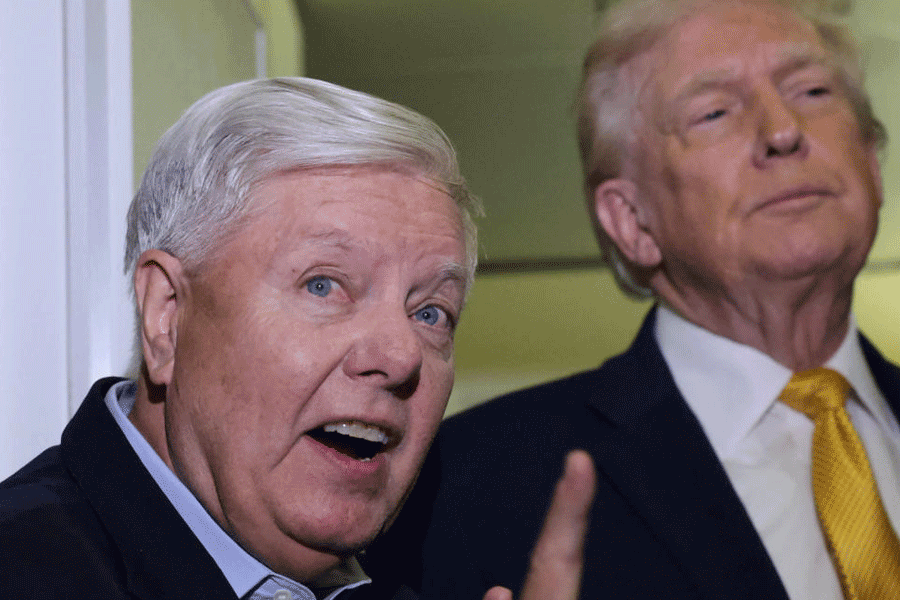
US President Donald Trump has backed a bipartisan sanctions bill that could impose tariffs of up to 500 per cent on countries including India that continue to buy Russian oil, US Senator Lindsey Graham said on Wednesday.
The bill is aimed at significantly escalating pressure on Moscow’s major energy customers.
Graham said Trump approved the legislation after a meeting at the White House, calling it a key tool to choke off financing for Russia’s war in Ukraine.
“After a very productive meeting today with President Trump on a variety of issues, he greenlit the bipartisan Russia sanctions bill that I have been working on for months with Senator Blumenthal and many others,” Graham wrote in a post on X (formerly Twitter).
“This will be well-timed, as Ukraine is making concessions for peace and Putin is all talk, continuing to kill the innocent,” he said. “This bill will allow President Trump to punish those countries who buy cheap Russian oil, fueling Putin’s war machine.”
The proposed Sanctioning Russia Act of 2025 would authorise the US administration to impose secondary sanctions and steep tariffs on countries that purchase Russian oil, gas, uranium and other exports.
According to Graham, the legislation would give the White House “tremendous leverage against countries like China, India and Brazil to incentivise them to stop buying the cheap Russian oil that provides the financing for Putin’s bloodbath against Ukraine.”
The bill proposes tariffs as high as 500 per cent on the secondary purchase and resale of Russian oil and has been co-sponsored by nearly every member of the Senate Foreign Relations Committee. A companion bill has also been introduced in the House of Representatives.
Graham said he expects strong bipartisan backing for the legislation. “I look forward to a strong bipartisan vote, hopefully as early as next week,” he said.
The renewed push comes as Trump intensifies economic pressure on Russia’s trading partners. The US has already imposed tariffs of up to 50 per cent on Indian goods, including a 25 per cent levy linked to India’s purchases of Russian energy, among the highest tariff rates applied by Washington.
Graham argued that targeting Russia’s customers is central to ending the war. “The ultimate hammer to bring about the end of this war will be tariffs against countries, like China, India and Brazil, that prop up Putin’s war machine by purchasing cheap Russian oil and gas,” Graham and Blumenthal said in a joint statement last year.
Earlier this week, Graham said Indian ambassador to the US Vinay Kwatra told him that New Delhi had reduced its purchases of Russian oil and asked him to convey to Trump a request to ease tariffs on India.
Recounting the exchange, Graham said, “I was at the Indian Ambassador's house about a month ago, and all he wanted to talk about is how they are buying less Russian oil.” He added that the envoy conveyed to him, “Would you tell the President to relieve the tariff?”
“This stuff works,” Graham said, defending the tariff threat. “But if you are buying cheap Russian oil, keeping Putin's war machine going, we are trying to give the President the ability to make that a hard choice by tariffs. I really do believe that what he (Trump) did with India is the chief reason India is now buying substantially less Russian oil.”
India’s embassy in Washington has highlighted continued engagement with US lawmakers on energy, defence and trade ties. Last month, Kwatra hosted several US senators, including Graham and Blumenthal, at India House in Washington, saying, “Had fruitful conversations on the India-US partnership from energy and defence cooperation to trade and important global developments. Grateful for their support for a stronger India–US relationship.”
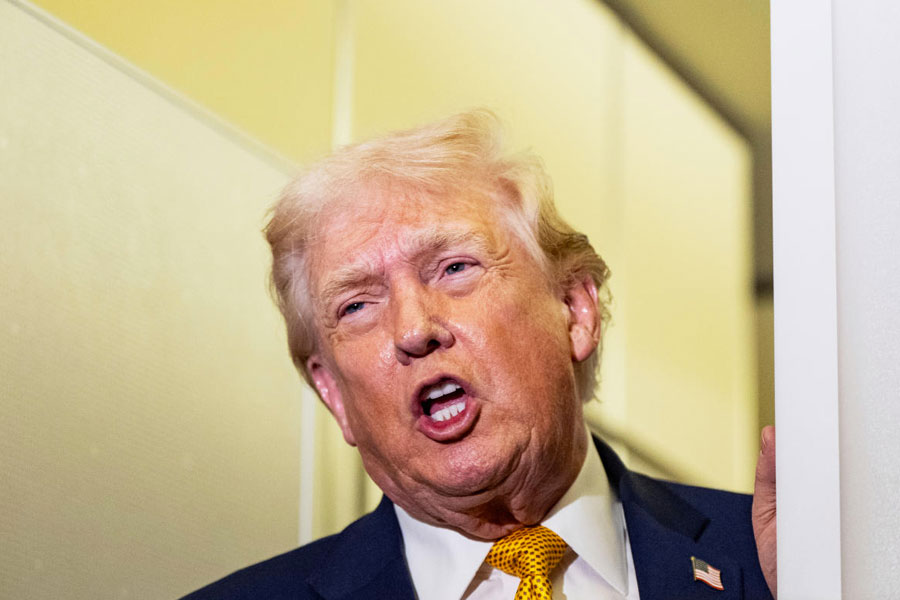
A White House official confirmed that Trump supports the sanctions legislation, even as his administration continues diplomatic efforts to negotiate a peace deal between Russia and Ukraine, nearly four years after the war began.