Crude oil prices rocketed by 10 per cent to $80 a barrel and could climb above $100, analysts forecast, after missiles struck two tankers near the coast of Oman on Sunday, sharply escalating tensions in a region that carries a fifth of the world’s oil supplies.
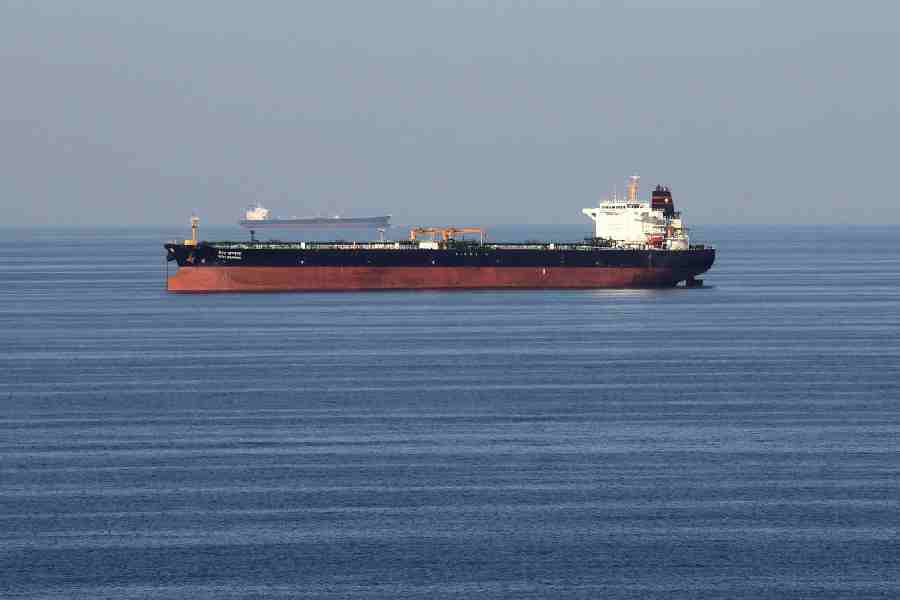
A small tanker, the Skylight, was left in flames after it was hit by an Iranian missile as it was about to enter the Strait of Hormuz, the narrow waterway that links the Gulf to the Arabian Sea. Oil had been trading at just $64.99 a barrel earlier this month.
“We expect prices to open (on Monday) much closer to $100 a barrel and perhaps exceed that level if we see a prolonged outage of the Strait,” said Ajay Parmar, ICIS director of energy and refining.
Goldman Sachs has turned ultra-bullish on crude oil and predicts that prices could climb to $110 a barrel. UK-based Barclays also said it expects prices to rise sharply to $100 or more.
Even so, analysts say the increase is unlikely, at least for now, to trigger the kind of global economic oil shock seen in previous crises. Current price expectations remain below the $139 a barrel reached after Russia invaded Ukraine in 2022 and the $147.50 peak recorded in 2008.
Several factors are helping to temper the impact. In recent months, global oil supply has exceeded demand, allowing inventories to build gradually. Another key factor is the growth of US shale production over the past decade, which has increased global supply and reduced reliance on Middle Eastern output.
In addition, the market is entering a seasonally weaker period of demand as spring arrives in the northern hemisphere.
China, the largest buyer of Middle Eastern crude, has also been expanding its strategic petroleum reserves over the past two years. Analysts say those stockpiles could cushion any short-term disruption. Iranian oil is sold almost entirely to Chinese refiners.
The eight-member OPEC Plus group of oil producers announced on Sunday that it would raise production beyond earlier commitments to help keep prices under control. It plans to increase output by 206,000 barrels per day from April. However, that increase is small compared with the potential losses if the Strait of Hormuz were closed even partially. The planned rise amounts to less than 0.2 per cent of global demand.
The fighting could intensify further. Iranian officials say they have hit the US aircraft carrier USS Abraham Lincoln with four missiles. The United States has said three service members have been killed and five injured in the fighting so far.
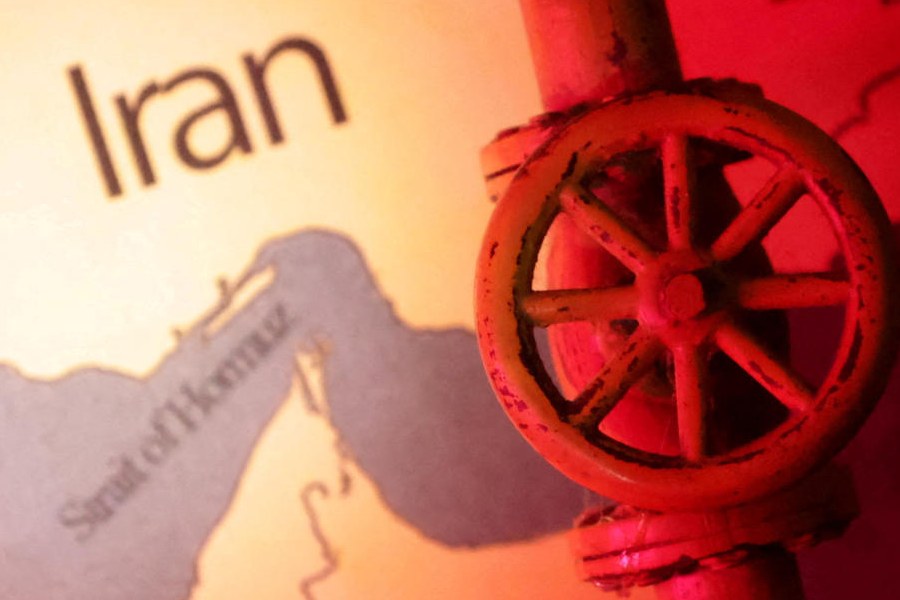
About 20 per cent of daily global oil production passes through the Strait of Hormuz. For India, the stakes are particularly high. Around 50 per cent of the country’s oil imports, between 2.5 million and 2.7 million barrels per day, come from suppliers including Iraq, Saudi Arabia, Kuwait and the UAE and must transit the strait, which is about 21km wide at its narrowest point. In total, about 20 million barrels per day move through the waterway on their way to global markets.
The vulnerability of India, which imports a massive 85 per cent of its energy needs, extends beyond crude. Nearly 60 per cent of its liquefied natural gas and between 80 and 85 per cent of its liquefied petroleum gas are sourced from Gulf producers.
“Unlike crude India does not maintain strategic LPG reserves of comparable scale, making LPG more logistically sensitive in a disruption scenario,” says Sumit Ritolia, lead analyst at Kpler, which monitors crude oil and ship movements. Ritolia adds: “Hormuz remains a structural artery in India’s security architecture.”
Analysts now predict that LNG prices could climb by as much as 25 per cent in the coming weeks if shipping through the Strait of Hormuz remains constrained.
As long as the conflict persists, oil tankers may avoid the strait as insurers at Lloyd’s of London have raised war risk premiums sharply. The Financial Times reports that insurance rates have climbed 50 per cent and that Israeli and US ships are unable to pass through the strait under current conditions.
Some vessels have already changed course. The KHK Empress, which was carrying Omani crude to the Iraqi port of Basra, turned around and diverted to India instead of continuing through the Strait of Hormuz. NYK, a major Japanese shipping line, has suspended all journeys through the strait.
Maersk, the second-largest shipping company globally, has also halted sailings. “We are suspending all vessel crossings in the Strait of Hormuz until further notice,” the company said, adding, “As a result, services calling ports in the Arabian Gulf may experience delays, rerouting, or schedule adjustments.”
If shortages become acute, India does have alternatives. It could increase purchases of Russian crude, much of which is shipped via eastern routes that avoid the Strait of Hormuz. Given the scale of the crisis, it appears unlikely that Washington would object to such purchases in the immediate term. India could also acquire cargoes already at sea that were originally destined for Indian buyers but were redirected following US-India trade tensions.
For Russia, the conflict could bring gains through higher prices. Moscow has continued to export crude under sanctions, and stronger global prices would boost its revenues.
Industry sources say India’s commercial crude stocks are sufficient for between 10 and 15 days. The country also holds refined fuel stocks covering an additional five to seven days.
Traders emphasise that the situation remains fluid. Much depends on how Iran responds and whether energy infrastructure or shipping routes are directly targeted. So far, neither side has attacked major oil facilities and tanker routes have not been formally closed. For now, everything hinges on whether oil continues to flow through the Strait of Hormuz.