The tunnel ventilation system of the underground stretch of the north-south corridor (Blue Line), Calcutta’s oldest and most popular Metro link, is being overhauled.
Fifteen underground stations between Belgachia and Rabindra Sarobar will be part of the facelift. A majority of these stations were built more than four decades ago.
“The original system, designed by IIT Kharagpur in the 1970s, has served us well so far. The design was modified in 2011. But now, with the transition to an all-AC fleet, the components of the system have reached the end of their codal life. An upgrade is necessary,” a Metro spokesperson said at the launch of the project on Wednesday.
The new system is expected to conserve energy, save groundwater, improve air-conditioning and strengthen fire safety measures in the tunnels and stations.
Subhransu Sekhar Mish-ra, general manager of Metro Railway, said the completion of the project will take between four to five years, with an estimated cost of ₹585 crore. The contract has been awarded to the Indian subsidiary of a Japanese company that provides heat ventilation and air-conditioning systems.
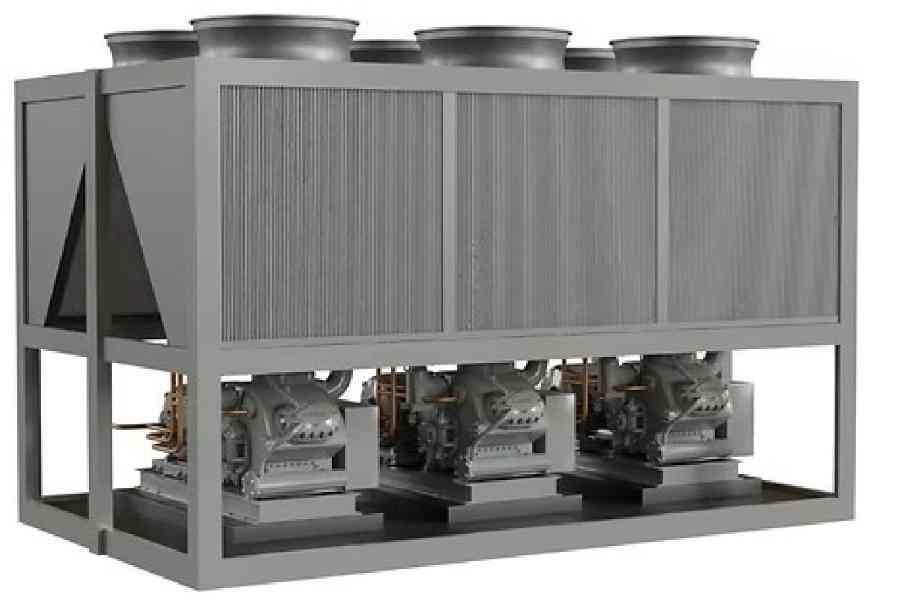
Air-cooled chiller to be installed on the Blue Line
New fans
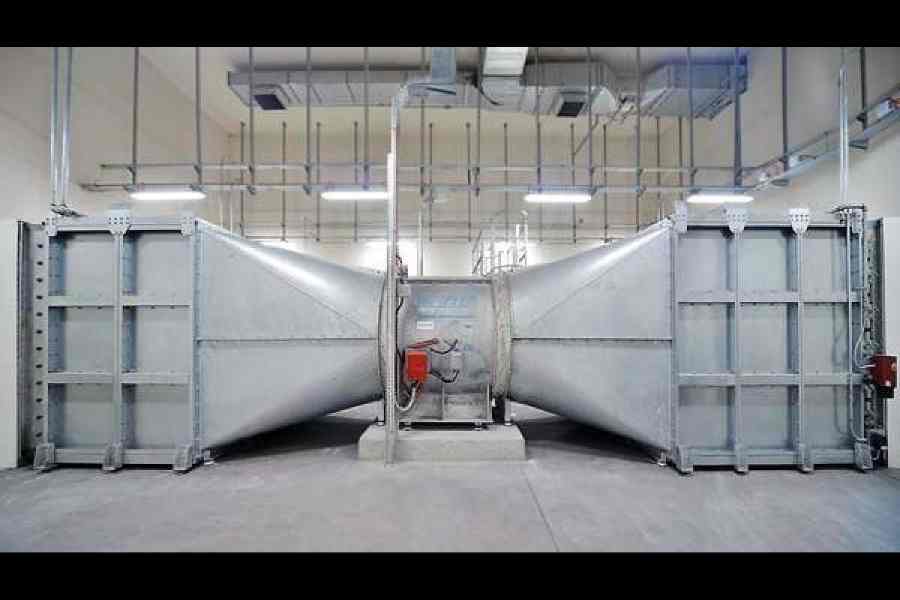
The transition involves installing powerful ventilation fans and switching from a water-based cooling system to an air-based cooling system, among several other improvements.
“The older fleet of non-AC rakes has been replaced by an all air-conditioned fleet. AC trains generate more heat while braking, and as a result, platforms become hotter as trains arrive. The new fans will suck the warm air out and help maintain the ambient temperature,” said Kaushik Roy, a senior official of the agency that has been given the contract for the overhaul.
The new fans are designed to consume much less energy than the older ones. “They can also run for up to two hours if the temperature crosses 200° Celsius. In case of a fire, these fans will help remove the hot air and smoke from the tunnels,” said a Metro official.
Each shaft between two stations will house three fans — two functional and one on standby.
Over Track Exhaust (OTE) fans will also be installed on the roof above the tracks at the platforms. The roof-mounted packaging units of the AC trains emit hot air that will be sucked out by these fans.
“Each rake has 16 RMPU units — two above each of the eight coaches. We will have 16 such fans over every platform,” said another Metro official.
Officials estimate that the new fans will save the Metro around ₹21 crore annually in energy consumption.
From water to air
Currently, the stations have cooling towers on the roofs that condense groundwater to provide cool air to the platforms.
The overhaul will replace the water-based system with air-based cooling chillers.
“By transitioning from water-cooled to air-cooled chillers, the project will save an estimated 18 crore litres of groundwater annually. A majority of the underground stations pass through boroughs VII and VIII of the Kolkata Municipal Corporation. A study of groundwater resources had shown that the water level was receding at an alarming rate in these boroughs,” a Metro official said.
Heat detection
The project will also install linear heat detectors — specialised optical fibres — along the roof of the tunnel. Within seconds of the temperature rising beyond a preset limit, alerts will be sent to the Metro control room, enhancing safety during emergencies, said officials.