The Bengal budget presented by the new BJP government on Monday has attempted to address key climate concerns while leaving out some green agendas, experts pointed out.
The budget also claimed to be compliant with “sustainable development goals (SDGs)”, a first for the state.
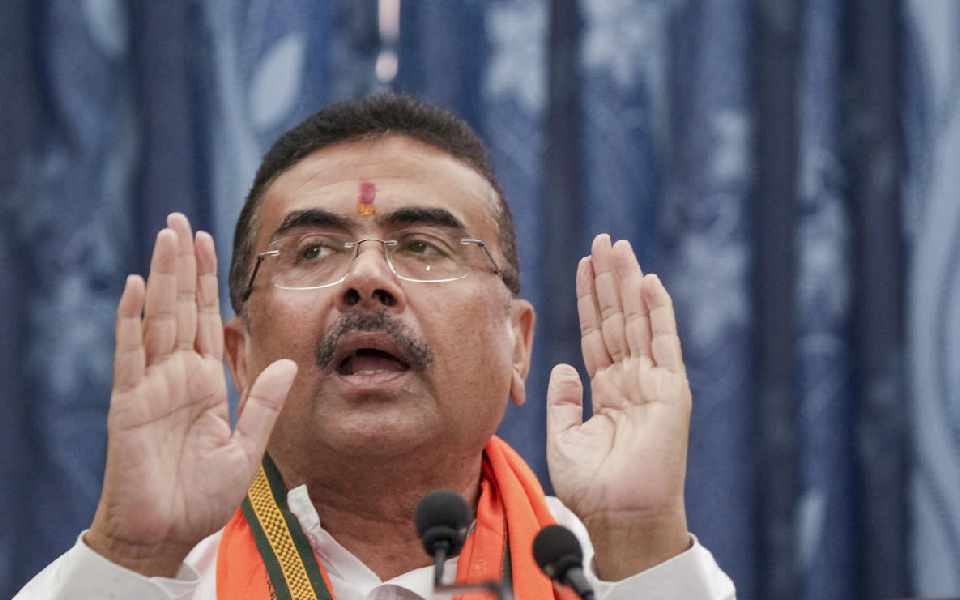
“As we present this budget, we renew our solemn commitment to the Sustainable Development Goals and to the people of West Bengal…,” finance minister Swapan Dasgupta said while presenting the budget.
The minister proposed several initiatives linked to climate change, with special focus on the Sundarbans and solar power.
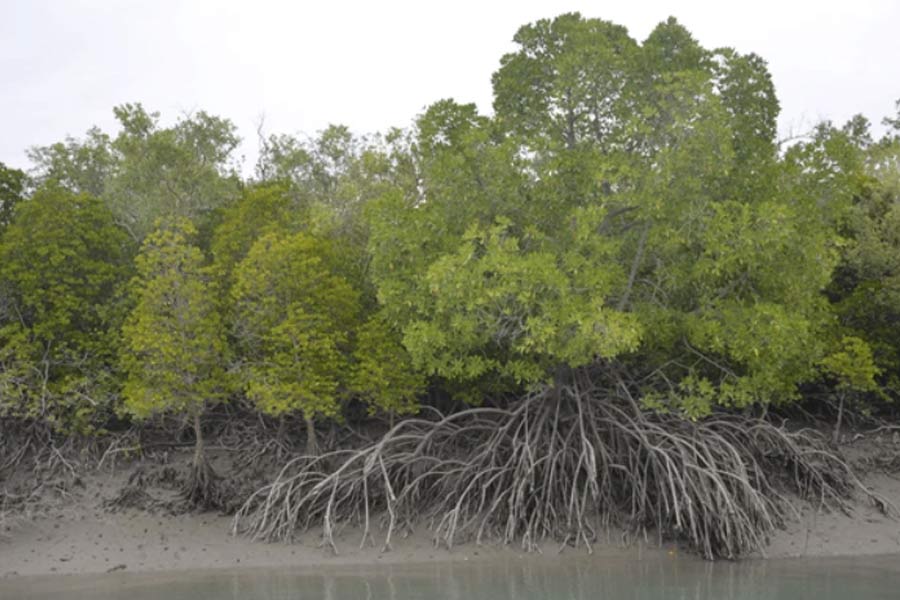
“The Sundarbans is an ecologically fragile area, very critical from the point of view of climate change and biodiversity. They are also home to many people from marginalised sections of the 104 islands (of which) 54 are inhabited. Use of waterways is the most sustainable and eco-friendly option to reach out to the remote islands for providing education, health and livelihood-related services. I therefore propose to provide a budgetary support of ₹100 crore for the construction of pontoon-based jetties and related infrastructure to improve connectivity. In addition, solar-operated boats with low carbon footprints will be promoted for carrying goods and passengers,” Dasgupta said in his budget speech.
The minister also pointed out that both the Upper and Lower Sundarbans Delta projects would be implemented with support from the Asian Development Bank and the World Bank, respectively. The projects, with an outlay of ₹1,353 crore and ₹4,100 crore, respectively, were conceived and received the state government’s in-principle clearance during the Trinamool Congress era. They are now awaiting central approval. Both projects, planned in tandem, are considered critical for the survival of the Sundarbans.
Dasgupta also proposed to undertake a central government scheme to reconstruct around 60km of embankments in the Sundarbans using nature-based technologies.
To meet the state’s current and expected peak power demand, the minister proposed the expansion of thermal power production and maximising solar power potential.
“Solar energy will also be harnessed to its full potential. A Mega Floating Solar Photovoltaic Project with Battery Energy Storage System will be set up at Bakreshwar Dam at a total financial outlay of around ₹2,000 crore,” he said.
He also proposed to utilise the Centre’s subsidised solar rooftop programmes for domestic consumers with a “target of 2 lakh rooftop solar installations”.
The budget has allocated nearly ₹3.01 lakh crore — nearly 69 per cent of the total outlay of ₹4.38 lakh crore — to address 17 SDG goals. The assessment has been done in collaboration with the United Nations Development Programme.
“It has been a very good budget from the environment and climate change point of view at such short notice,” said Dipak Dasgupta, former chief economic adviser of the Union government and founding member of the Green Climate Fund.
However, Biswajit Mukherjee, a national award-winning environmentalist, flagged a few sticking points.
“The budget allocation for the environment department has remained at hardly ₹100 crore and there has been no mention of combating critical issues such as waste management and air pollution,” he said.