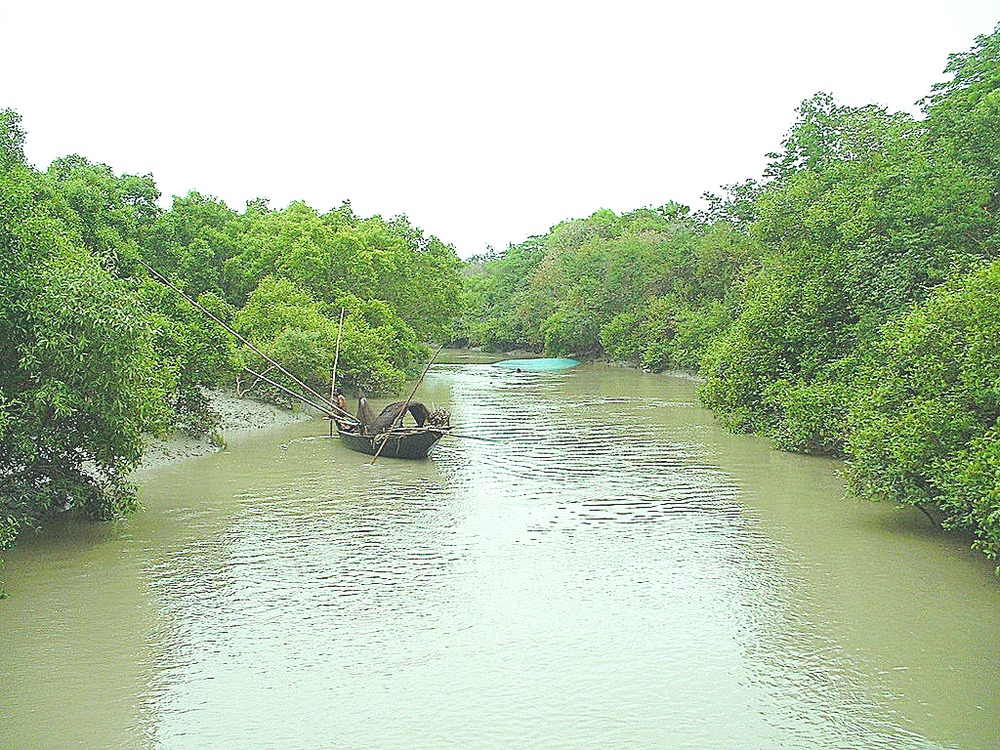

A 1,320-MW coal-based power plant coming up at Rampal in Khulna district of Bangladesh, on the fringe of the Sunderbans, will affect the mangroves on the Indian side, too, experts from both countries said at a meeting in Calcutta last week.
The power plant, being set up by India's National Thermal Power Corporation and the Bangladesh Power Development Board, is about 14km from the Bangladesh Sunderbans and around 60km as the crow flies from the Indian Sunderbans.
"No doubt your Sunderbans will be affected," Anu Mohammad, a professor of economics in Jahangirnagar University of Bangladesh and an environment expert told Metro on the sidelines of the meeting.
The meeting, organised by a number of green organisations, discussed the possible impact of the plant on the Sunderbans.
The company setting up the plant - Bangladesh India Friendship Power Company (BIFPC) - have sought to allay the fears. Ujjwal Bhattacharya, the managing director of BIFPC, has recently said: "We see no reason why the project would destroy the Sunderbans. We are using the most advanced technology and all environmental norms are being followed."
The project is being funded by an Indian bank and the contract for construction has been awarded to an Indian state-owned company. "With so many Indian agencies involved, you should ask your government why it is partnering a project that will damage the Sunderbans, around 40 per cent of which is in India," said Anu Mohammad.
Experts point out that the proposed project, spread across 1,834 acres, will affect the fragile ecosystem of the Sunderbans in both countries through its huge consumption of river water and release of effluents as well as various toxic gases.
Noise and emission during construction period will affect the mangroves, too.
"The Indian Sunderbans are expected to be affected for two reasons. First, huge amounts of coal meant for the plant will be loaded and unloaded at the mouth of the Bay of Bengal. The coal will be brought in large vessels through sea and then ferried through smaller vessels to a site on the Posur river near the plant. The loading-unloading point is just a few kilometres from Indian part of the forest. Let alone an accident, even the routine process may significantly impact our mangroves," said Anurag Danda, a Sunderbans expert associated with WWF India. "Secondly, huge amount of fly-ash that the plant will generate will spread over the Indian Sunderbans and affect the flora."
According to an estimate, the plant would require 47 lakh tonnes of coal and produce at least 7.5 lakh tonnes of fly-ash every year.
Anu Mohammad alleged that the agencies involved in the project had not considered the possible fallout of the rise in the sea level. "The existence of the plant and the Sunderbans will be in danger if the rise in the sea level continues unabated," the academic said.
The rise in the sea level in the mangrove delta is more than double the global average.