OpenAI has a new tool — called GPT-5.4 Cyber — to deal with advanced cybersecurity capabilities. However, much like the recent launch of Anthropic’s Mythos Preview, control will lie with only a few for the time being.
The model is tuned for defensive work, allowing verified participants of the Trusted Access for Cyber programme to analyse software and identify vulnerabilities. This process will enable experts to identify gaps and potential jailbreaks, providing feedback that helps the company understand “the differentiated benefits and risks of specific models, improving resilience to jailbreaks and other adversarial attacks, and improving defensive capabilities — while mitigating harms”.
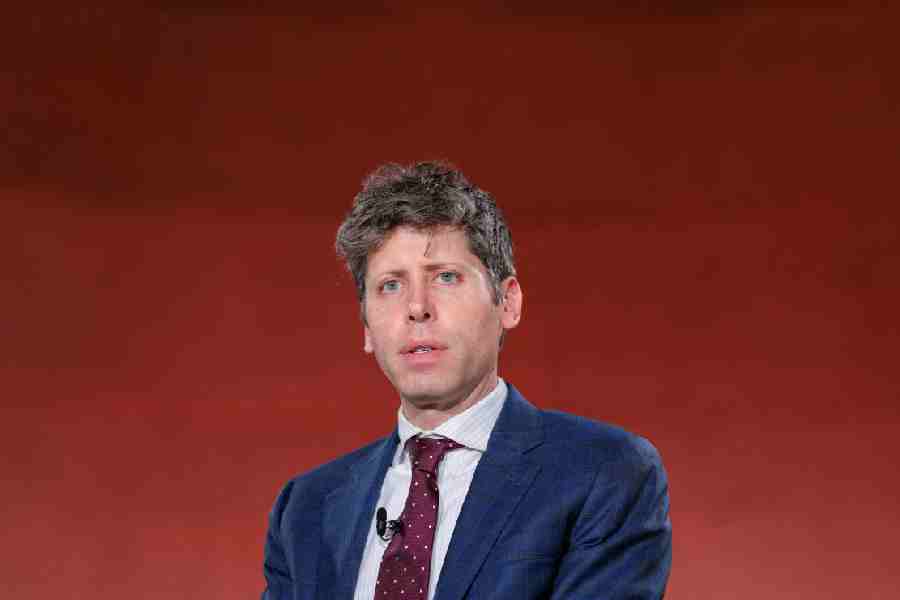
The Sam Altman-led firm maintains a more cautious approach than Anthropic, which has set a gloomy tone to highlight Mythos. Anthropic also announced an industry coalition, including Google, Apple, and Nvidia, to highlight how advances in generative AI are impacting cybersecurity. While the ChatGPT maker believes the “class of safeguards in use today” will “be sufficient for upcoming more powerful models”, Anthropic’s results suggest a more urgent reality.
Recent findings by Mythos Preview uncovered a 27-year-old vulnerability in OpenBSD, which is used to run firewalls and other critical infrastructure. “The vulnerability allowed an attacker to remotely crash any machine running the operating system just by connecting to it,” the company said. Mythos also discovered a 16-year-old vulnerability in FFmpeg — a tool used to encode and decode video — in a line of code that automated testing tools had hit five million times without success.
Anthropic and OpenAI remain locked in a battle for supremacy in the AI space. They have been clashing for several months to prove their models are the most capable, especially in government and enterprise circles. Anthropic gained early momentum with its Claude Cowork and Code tools, impacting the stock prices of legacy tech companies. OpenAI responded with improvements to its Codex platform while reallocating resources away from its Sora video app to focus on these core capabilities.