Museums are no longer just quiet repositories of the past — they are dynamic spaces for active, interactive education. At The Metropolitan Museum of Art (The Met) in New York, transforming a massive global archive into an accessible community hub is an exact science.
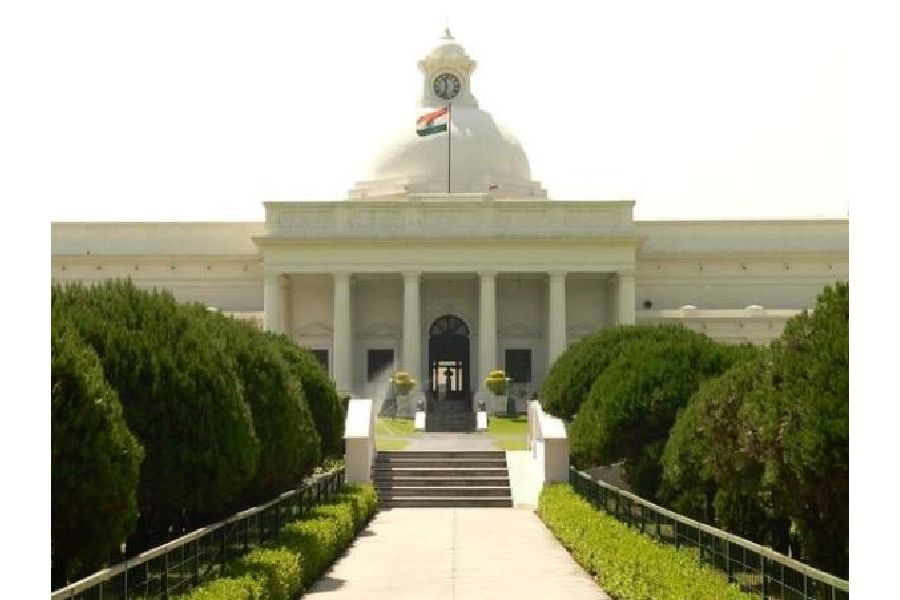
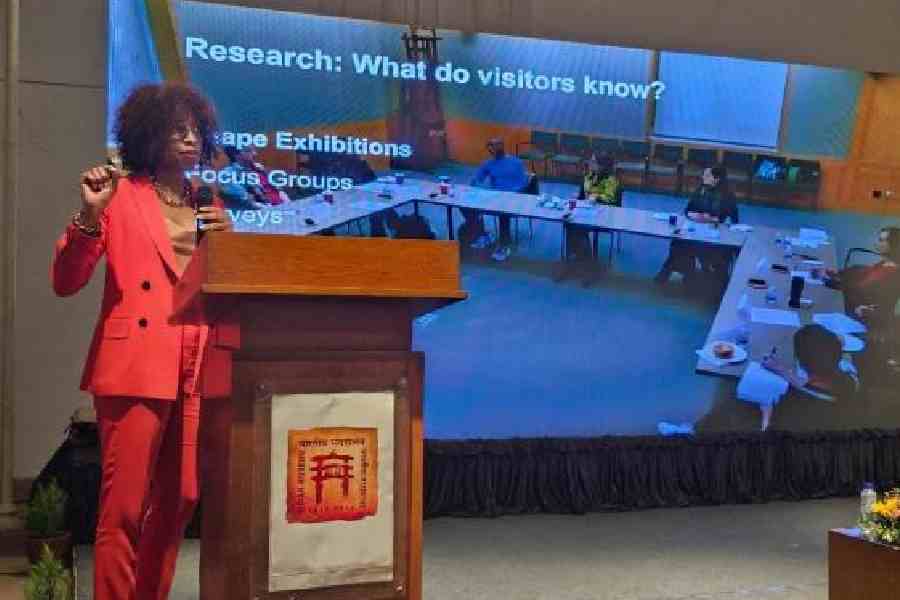
Addressing Indian conservators at the Indian Museum, Heidi Holder, the chair of education at The Met, shared the most effective practices driving the New York institution’s global success.
The scale of The Met’s operation is staggering. In 2025, the museum welcomed 5.7 million visitors. Remarkably, 62 per cent of them were locals. “We had 200,000 schoolchildren visiting us. We developed tours connected to school curricula,” said Holder, who oversees the museum’s expansive roster of public educational programming, community outreach, and gallery interpretation initiatives.
But educating children requires first empowering their educators. The Met invests heavily in the professional development of teachers, training them to look at artefacts through a pedagogical lens. “Teachers need training to teach through objects — for instance, how to use classical sculpture on display here to teach the epics or use them as remnants of Indian history,” she said, drawing a localised analogy for her audience.
This is not a brief weekend seminar. The Met, she said, brought in teachers for over a year for the training. “We pay them to come. They are given homework to do and asked to develop curricula. Each goes back as an ambassador of the museum.”
The Met also uses its unique assets to introduce audiences to new sensory experiences. Leveraging its historic musical instruments collection, the museum stages live performances through its MetLiveArts series.
“If there is a sculpture with a sitar (among the exhibits), a sitar-playing session could be held around it. This way, a bit of art and history can be slipped into an entertaining experience that draws new audiences,” she suggested. The museum frequently hosts musicians who converse with visitors and even allow them to touch the instruments. “We had once invited a woman guitar maker,” she recalled.
While storytelling and interactive sessions for children are permanent fixtures, adults are equally encouraged to unleash their own creativity through the MetCreates programming umbrella.
“There was a session on medieval wreath-making,” she noted, highlighting how the museum bridges historical art methods with hands-on crafting.
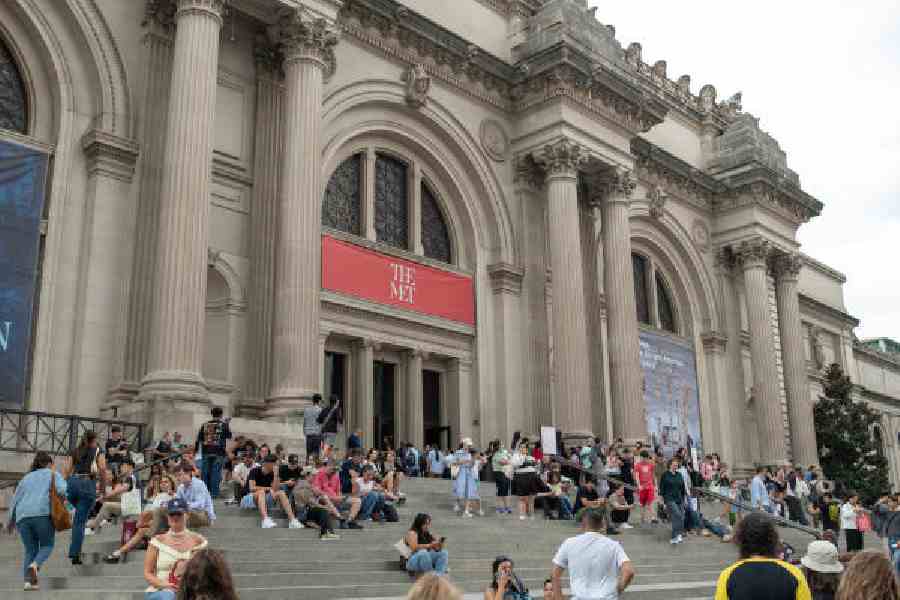
Steps at The Met in NYC
Digital vs physical
In an increasingly digitised world, Holder has a refreshing insight into the use of technology. Despite the rush toward screens, modern audiences, she felt, are craving the physical.
“When you are planning activities, mix the analogue with the digital. At The Met, people make baskets, weave garlands… People want a break from the screen. That’s why even our response cards are meant for handwritten answers rather than QR code-based responses. They don’t want to use the phone when they are at the museum.”
Nothing exemplifies this community-first approach better than the museum’s popular Date Night at The Met series. On Friday and Saturday evenings, the galleries transform as live string quartets play, pop-up musical guests perform, and informal art-making stations allow adults to pair up and craft physical keepsakes together. “We offer two-for-one drinks on those nights. There are so many couples looking for a place to go nicely dressed and have a prosecco,” Holder added with a smile, leaving the gathering amused.
Surveys and outreach activities are done to analyse community perceptions and remove the mental barriers that keep people from stepping through the doors.
Eye on the future
For Holder, a museum must constantly anticipate the future. “We need to identify who our next generation of visitors and donors will be.” This forward-looking philosophy is why the museum constructed the 81st Street Studio, a dedicated, interactive science-and-art play space for children.
They even monitor the physical choreography of the visitors inside the building. Educators and data teams follow guests to see exactly where they pause. “We call these ‘linger spots,’” Holder explained. “Such tracking helps us understand where to put the biggest exhibit, or where they are getting lost, or where they are getting tired and a bench needs to be put.”
As a global institution, the museum designs programmes to build lasting relationships with diaspora communities. “We host Arabic programmes to build trust with Arabic-speaking communities,” she said, by way of example.
Inclusivity is personal, too, for Holder. It is a mission rooted in her own journey; born in Trinidad, she relocated to the United States as a teenager, understanding firsthand what it means to find your place — and your voice — within a new culture.