From Maradona’s hand of God to Frank Lampard’s ghost goal, every World Cup leaves behind unforgettable memories and unresolved grievances. The advent and application of technology in football was meant to make the game fair by removing such ‘human errors’. Despite being the most technologically sound, Fifa World Cup 2026 has thrown up more controversies and questionable decisions than any of the past World Cups.
The technologies at this World Cup range from semi-automated offside calls to sensor chips inside the ball to detect faint touches.
However, even the application of these technologies leaves room for error, which is exactly what is happening throughout the World Cup. Let’s look at some of the controversial decisions so far in the World Cup.
Balogun red card vs Bosnia and Herzegovina / Messi no-card vs Algeria
One of the most talked-about incidents of this World Cup. The USA’s Folarin Balogun received marching orders for an unintentional tackle during their match against Bosnia and Herzegovina. The red card drew sharp reactions from fans, with many likening Balogun’s challenge to Lionel Messi’s against Algeria and questioning how Messi escaped without even a yellow card.
The magnitude of Balogun’s red card was such that US President Donald Trump had to get involved to request Fifa to revoke the suspension of the Arsenal academy graduate. Fifa’s revocation of the one-match ban for the World Cup has sparked more criticism.
Germany’s disallowed winner against Paraguay
Based on impact, this incident was the most far-reaching one. With the score tied at 1-1 deep into extra time, Jonathan Tah headed home what appeared to be the winning goal, only for referee Jalal Jayed to overturn it following a VAR review for a foul by Waldemar Anton on Paraguay goalkeeper Orlando Gill.
Germany ultimately lost to Paraguay in penalties, bowing out of the tournament, with German coach Julian Nagelsmann terming the decision “scandalous”. However, Fifa head of referees Pierluigi Collina explained the rationale behind the VAR call, saying referees have been told to punish attackers who try to block goalkeepers or defenders.
"Although keeping a position is not a foul per se, when an attacking player is not interested in the ball and deliberately moves, even marginally, with the clear intention of obstructing opponents' movement and prevents him from defending, then referees, and VAR when needed, should carefully analyze the incident and intervene," Molina had said. The explanation, though, did little to pacify the German fans.
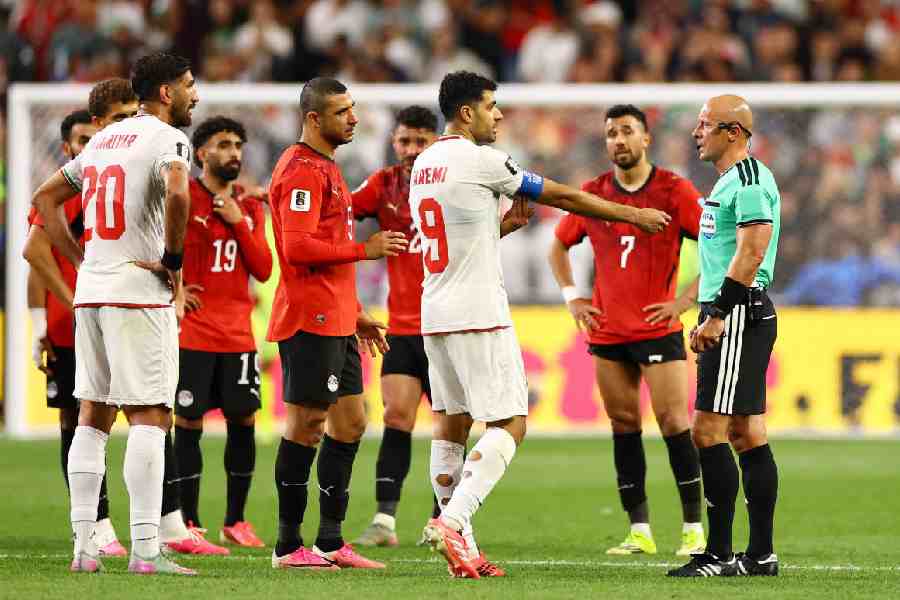
Iran's stoppage-time winner ruled out against Egypt
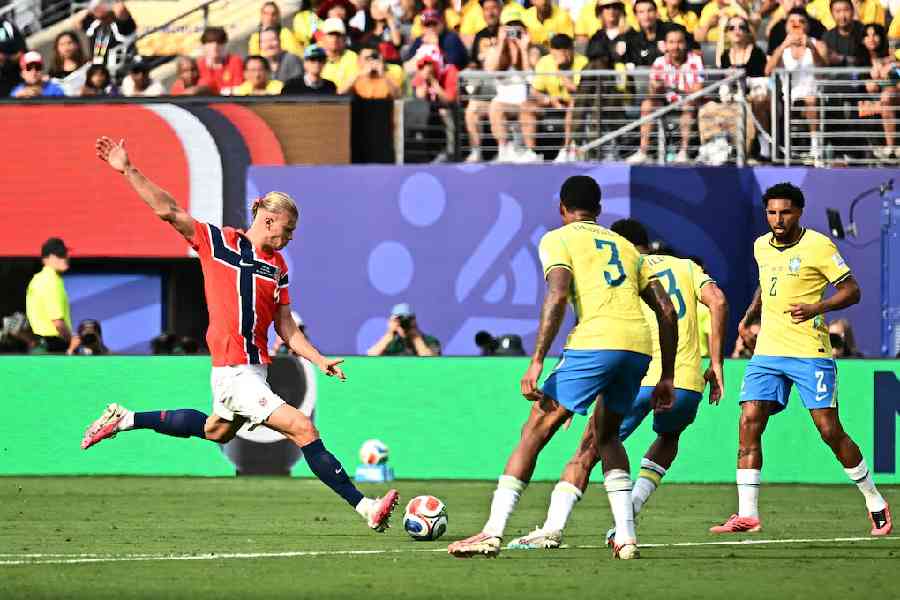
Iran attacker Shoja Khalilzadeh thought he had scored a dramatic winner before semi-automated offside technology ruled it out. The margins involved reignited the old "toenail offside" debate. As luck would have it, Iran would have qualified for the round of 32 had that goal been allowed.
Switzerland-Qatar offside controversy
In one of the early incidents of the World Cup 2026, Switzerland were awarded a penalty for a foul by the Qatar goalkeeper. The VAR checked foul and the decision stood. Switzerland scored the ensuing spot-kick.
Although the foul was not a matter of controversy, replays seemed to indicate that Switzerland’s Remo Freuler might have been in an offside position prior to the incident. The absence of a semi-automated offside graphic during the VAR review further contributed to the confusion, leaving viewers questioning the basis of the decision.
As criticism mounted with former players Gary Neville and Ian Wright questioning why the offside graphic wasn’t shown, Fifa released a statement clarifying why viewers did not see the offside animation. The governing body explained that a short technical malfunction hindered the generation of the graphic during the assessment of the penalty incident.
Paraguay’s ultra-aggressive approach vs France
During France’s round of 16 match against Paraguay, the South American team chose an aggressive strategy, constantly targeting Kylian Mbappe. Astonishingly, Paraguay only saw one yellow card throughout the match, leaving France coach Didier Deschamps frustrated after the match.
"I do not want to criticise Paraguay. Each team plays the way they want. But there were some insults from the other bench which I could have done without. The most important is by the end of the game that there were no disagreements and that we (did not) get another card. We got three yellow cards with a lot of fouls. I'm not saying that we did not make any fouls, but there were a lot from both teams," Deschamps said.
Technology: Not a magic wand
Fifa may continue adding cameras, sensors and algorithms into the sport, yet the most significant decisions in football ultimately rely on interpretation rather than quantifiable data. While technology can inform referees about whether contact was made or if a player was offside by a mere toe, it is incapable of assessing intent, force, or consistency.
The Fifa World Cup 2026 has demonstrated that the debates surrounding football have not vanished; they have simply evolved to be more complex.