Sunday, 05 July 2026
Sunday, 05 July 2026
Sunday, 05 July 2026
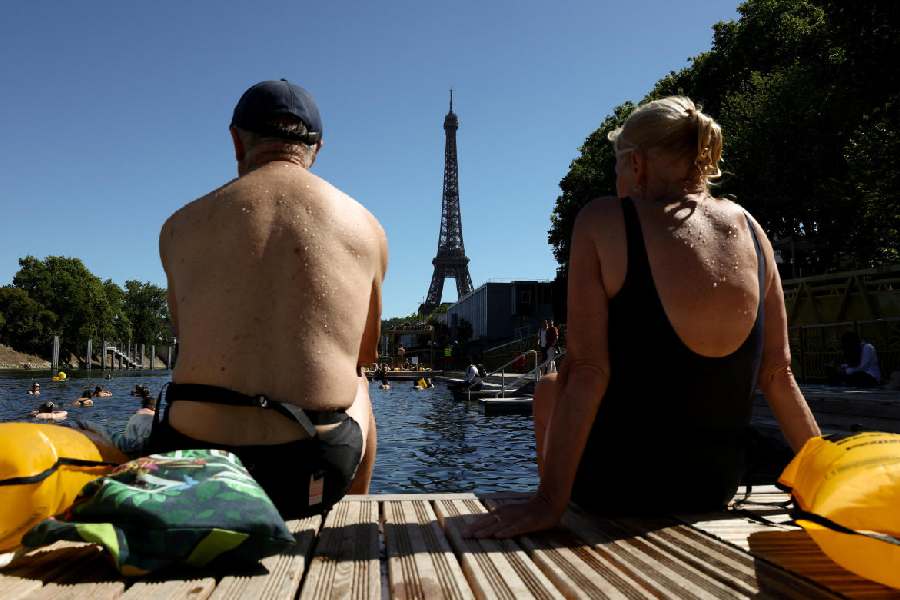
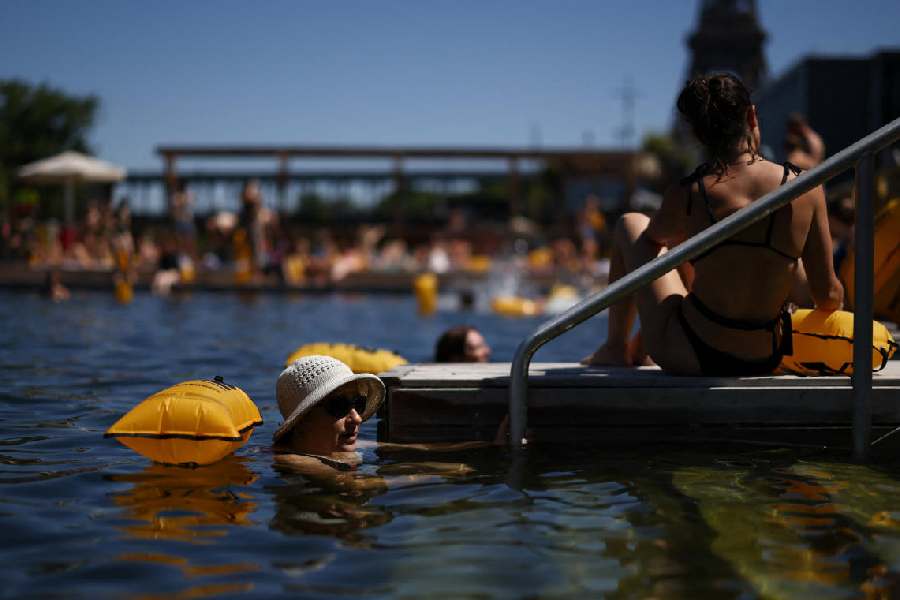
Record-breaking temperatures in France this month have unlocked a new tourist hotspot in Paris; taking a cooling dip in the Seine.
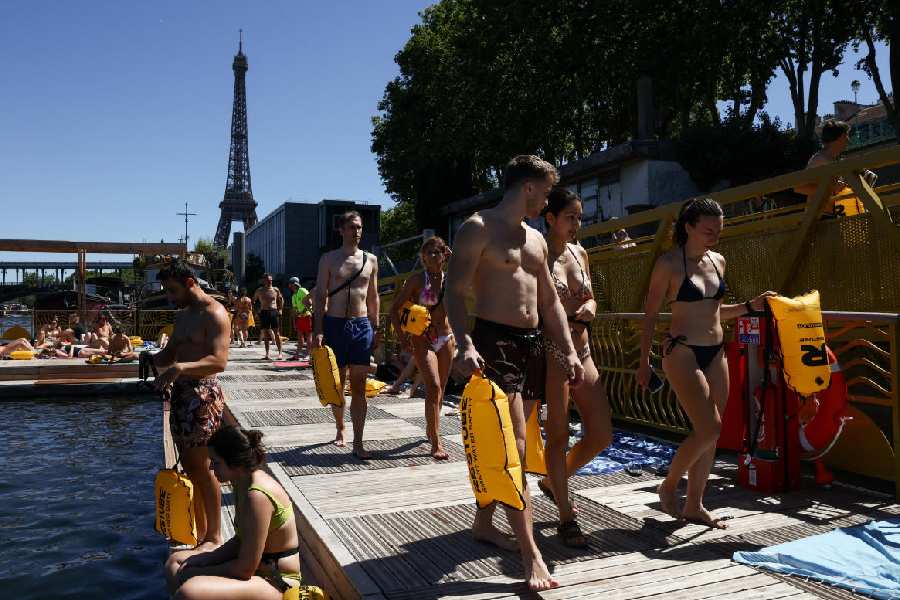
With France preparing for its third heatwave next week, more and more tourists and locals alike are adding the watery retreat to the top of their Parisian bucket list, an idea that would have been unfathomable a few years ago.
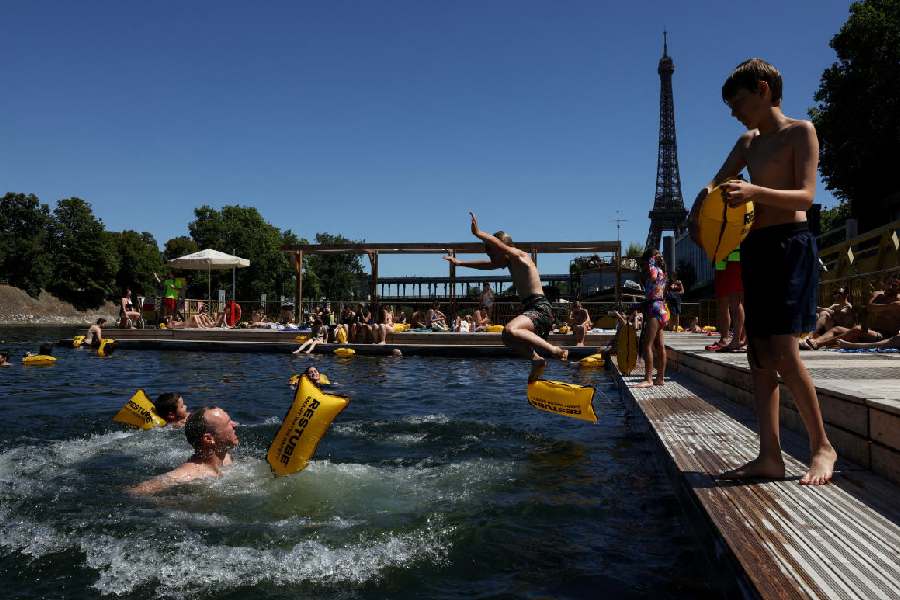
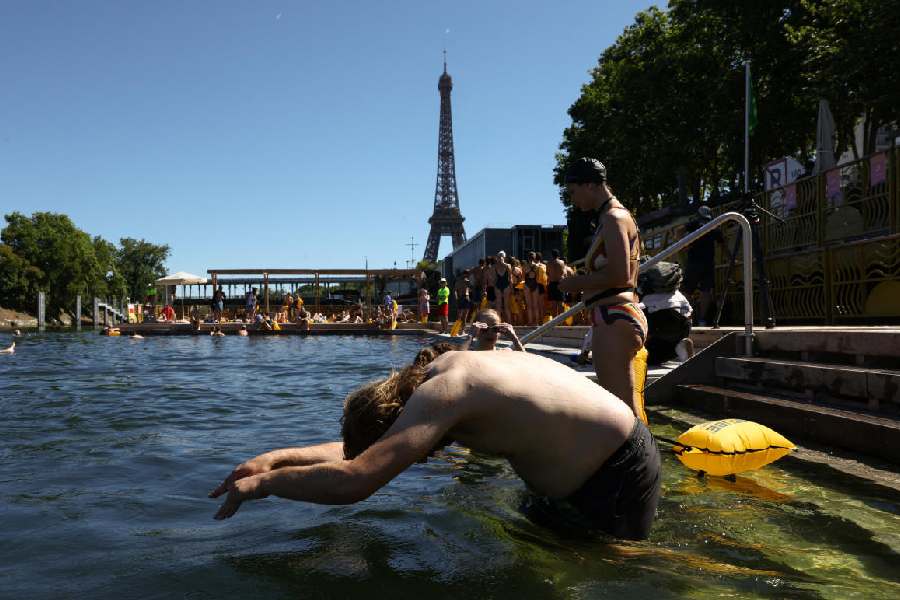
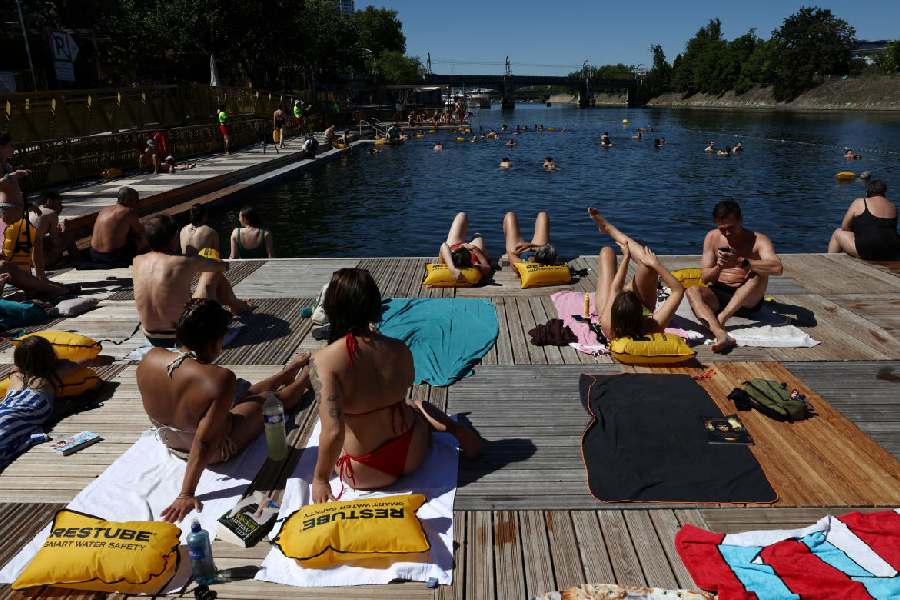
On Saturday, Paris civic authorities opened three supervised swimming spots in the river, near City Hall, the Eiffel Tower and in eastern Paris, each with a licensed lifeguard. “It’s amazing to be swimming in the Seine while looking at the Eiffel Tower,” said Stewart Talbot in an interview with AP.
A tourist from Melbourne, Australia, visiting Paris for a week, Talbot said,“Maybe it’s not as good as the sea in Australia, but it’s better than our rivers.”
But the city’s relationship with the river has been less rosy for over hundreds of years.
What began as a casual pastime in the 17th century was banned in 1716 over public decency concerns, before evolving into organised floating baths in the 18th century. These river-based facilities let people swim safely within designated areas and helped turn the Seine into a popular leisure destination.
By the 19th century, riverside bathing had become a major social attraction, with upscale venues offering cafés, restaurants and swimming lessons. The famed Piscine Deligny even hosted swimming events during the 1900 Paris Olympics.
The tradition declined in the early 20th century as drownings and increasing river traffic raised safety concerns. In 1923, France imposed a complete ban on swimming in the Seine. Deligny remained open by operating as a filtered floating pool independent of the river until it sank in 1993.
Despite the ban, unauthorised swimming and an annual long-distance race kept the river's swimming culture alive.
The real death of Paris’ swimming culture was not regulations, but the pollution of the Seine.
The river has for decades been considered biologically dead. By 1970, the river’s fish population trickled down to only three resilient species who could withstand the toxicity.
Efforts to clean the Seine began in the 1980s, but decades of pollution kept the river unsafe despite former Paris mayor Jacques Chirac's unfulfilled promise to swim in it. The campaign gained new momentum in 2016 when Mayor Anne Hidalgo revived the pledge, leading to a more than €1 billion cleanup project ahead of the 2024 Paris Olympics.
A major obstacle to cleaning the Seine was Paris' ageing sewer system, built in the 19th century, which channels rainwater and wastewater through the same network. During heavy rainfall, untreated sewage would overflow into the river.
The city constructed the Austerlitz basin, a massive underground reservoir that stores excess water until it can be gradually pumped to treatment plants. Officials say the upgrade has reduced major sewage overflow events from about 15 a year to around two.
The cleanup was completed in time for the swimming events at the 2024 Paris Olympics, marking the river's return to competitive use despite concerns over water quality during the Games.
Public swimming resumed in 2025, with three free designated bathing sites now open across the city. While the Seine is far from pristine—its water is often murky, with occasional floating debris—it has once again become a usable public space after more than a century.
Access remains tightly managed. A flag system indicates whether conditions are safe: green allows swimming, yellow signals caution because of weather or currents, and red closes the sites due to poor water quality or adverse conditions. Daily testing, particularly for E. coli contamination, means closures can still occur after heavy rain.
Whether the more than €1 billion investment will ultimately be judged a success remains open to debate, but the return of swimmers suggests the city has made tangible progress in reclaiming one of its defining landmarks.