India’s public health story is one of striking contrasts. The latest estimate released by the United Nations shows India to be one of the countries that has demonstrated steady progress in reducing child mortality. According to the Levels & Trends in Child Mortality report, India has played a pivotal role in reducing child mortality in South Asia, which witnessed a 68% drop in such fatalities in 24 years — from 92 deaths per 1,000 live births in 2000 to nearly 32 in 2024. This is, of course, in line with the global trend where under-five deaths among children have fallen by more than half since 2000. While South Asia still accounts for nearly 25% of global under-five deaths among children, India has emerged as the major driver of positive growth in the high-burden region.
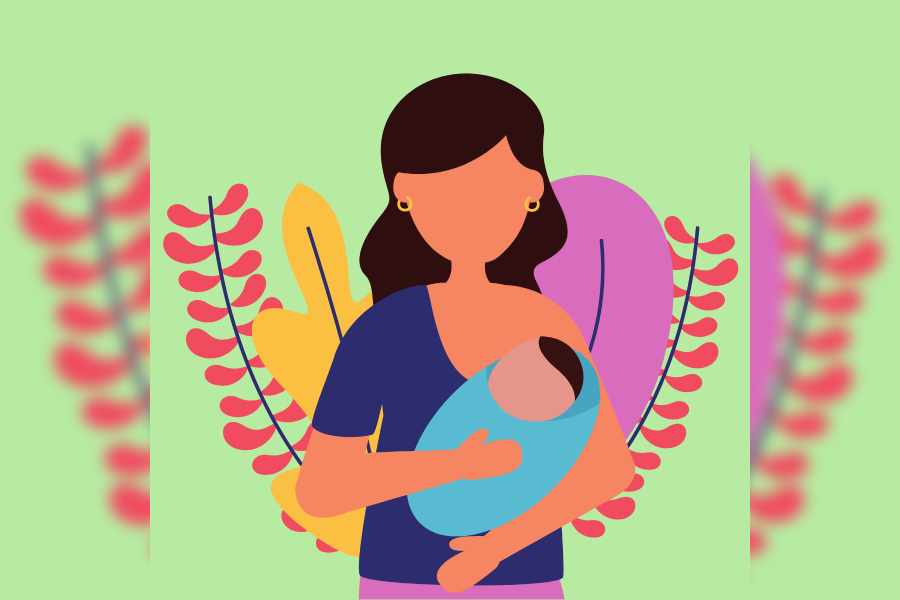
The maternal health picture, however, is less reassuring. The measurable gains in child survival are not matched by the numbers in maternal mortality. According to a study published in The Lancet Obstetrics, Gynaecology & Women’s Health, India accounts for 1 in 10 maternal deaths globally, recording about 24,700 deaths out of 2.4 lakh fatalities worldwide in 2023. The maternal mortality ratio had fallen from 508 in 1990 to 116 per 100,000 live births in 2023. But the pace of decline has dipped after 2015. The Sustainable Development Goal for MMR has been set to fewer than 70 by 2030. Within India, disparities exist across states, the latest Sample Registration System for 2021-23 has highlighted: while states like Jharkhand have reduced MMR to 54, surpassing targets early, many continue to lag behind. The contradiction among the two indexes is sharp. On one hand, India is successfully saving more children; on the other, too many mothers continue to die in the very act of giving life. The improvements in immunisation, neonatal care, and child health programmes have evidently not been replicated in the maternal healthcare setup. The intersectional implications are serious. Children who lose their mothers at birth face higher risks of poor nutrition and inadequate nurturing. Addressing this contradiction requires a recalibration of priorities. First, maternal health must receive policy urgency. Targeted investments in antenatal, emergency obstetric and postnatal care should be undertaken on a war-footing. The importance of determinants such as nutrition, early marriage, education, and gender inequality must be recognised and acted upon in policymaking. India’s health success will remain incomplete if it fails its mothers.