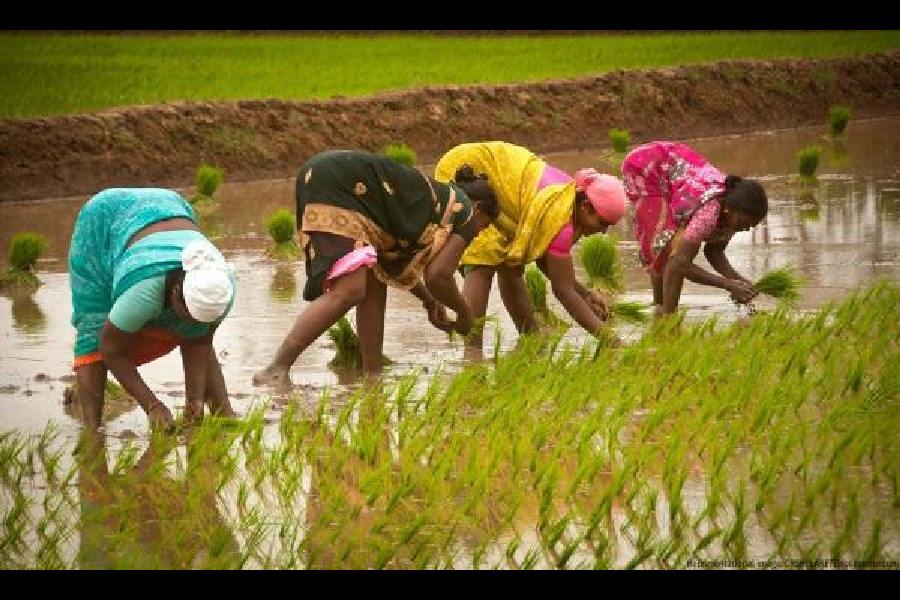
According to the report, Under the Weather: India’s Climate-Health Intersections and Pathways to Resilience, by the ClimateRISE Alliance and Dasra, a philanthropic organisation, the effects of climate change — rising temperatures, erratic rainfall, flooding and cyclones — are changing established disease patterns and imperiling public health. This phenomenon is not limited to India. Research by the World Health Organization suggests that there could be as many as 2,50,000 additional yearly deaths by the 2030s due to climate change’s impacts on diseases like malaria. Extreme weather is altering the frequency and the intensity of communicable diseases. Floods, for instance, are triggering a surge in water-borne ailments like cholera and hepatitis; heat waves are causing a spike in dehydration, heatstroke, and cardiovascular stress. Vector-borne diseases like dengue and malaria are also expanding in geographical range owing to higher temperatures and shifts in rainfall patterns. Moreover, natural disasters induced by climate change dismantle the health apparatus, disrupting access to medicine and health personnel in hours of need. Non-communicable diseases are not immune to climate change’s effects either. Rising air pollution worsens respiratory illnesses while high temperatures are linked to mortality from cardiovascular risks. Worryingly, the burden of changing disease patterns is not even. A 2025 report in The Lancet confirmed that climate change disproportionately affects marginalised groups. Constituencies that are socio-economically vulnerable, such as rural populations, informal workers, women and children, are especially at risk. These segments are also the least equipped in terms of resources to confront the health impacts arising out of climate change.
The Dasra report also shed light on the efforts to combat this crisis. In India, for example, some initiatives — the National Action Plan on Climate Change and Human Health as well as state-level action plans — underline the need for a targeted approach to recognise and act on the links between climate change and health challenges. But impediments exist. The paucity of localised, disaggregated data impede mediatory interventions. Limited funds for adaptation and public indifference add layers to the challenge. Collaboration among the government, civil society and the private sector to augment funding, data and adaptive health infrastructure, the report says, is the need of the hour. But none of this will happen unless health occupies a central place in climate policy.