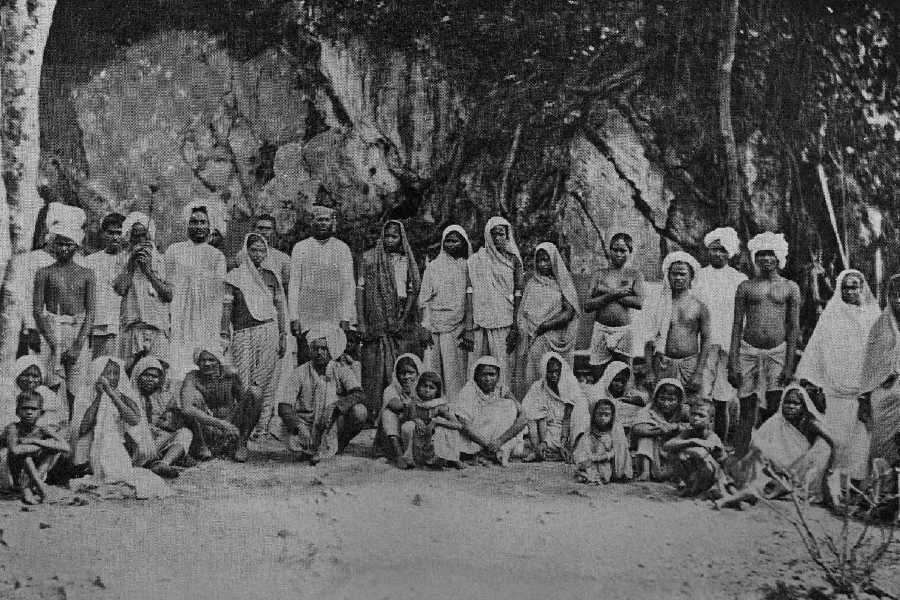
‘Indian Arrival Day’ in South Africa commemorates the arrival of the first indentured Indian labourers to that country in 1860. Why is it important to revisit the indentured labour system, often footnoted in mainstream Indian history discourses? What is the relevance of indentureship in the current global world order characterised by rising antagonism against migrant communities?
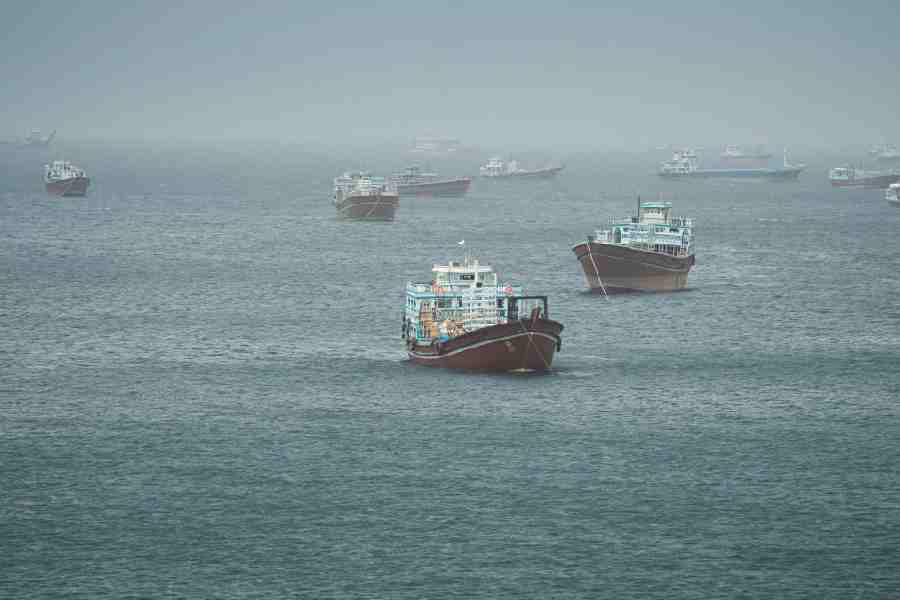
Millions of Indians were uprooted from their country due to colonial indentureship. The indentured labour system started in 1834 when British Parliament abolished slavery. This freed innumerable African slaves, leading to a dearth of cheap labour in plantation colonies across the world, including the Caribbean region. A million-plus Indians, ‘coolies’ in the colonial parlance, were recruited to fill the gap for meagre wages. The first indentured recruitment was to Mauritius in 1834, followed by British Guiana, Trinidad, Jamaica, St. Kitts, St. Lucia, St. Vincent, Grenada, South Africa, Suriname, and Fiji. This continued until 1917 when indentured servitude was abolished. Poverty, indebtedness and recurrent famines in colonial India acted as push factors. However, recruitment was often a forced choice (including kidnapping).
The conditions in plantations were pathetic: unhygienic housing, wage exploitation, sexual harassment, biased judicial system, heavy workloads, a disease-prone environment and gender gap all rolled into one that led to suicide and addiction. Hugh Tinker’s book, A New System of Slavery, has documented these hardships; similarly, Brij Lal’s Chalo Jahaji: On a Journey through Indenture in Fiji uncovers the untold stories of hardship and resilience of Indian indentured labourers. The Girmit.org website foregrounds thousands of such stories about the dark side of the indentured system.
Significantly, the mental health concerns of the descendants of Indian indentured labourers are alarming. High rates of suicide are reported among descendant indentured labourers in almost all postcolonial countries. According to the
WHO, Guyana ranked first in per capita suicide rate in 2014. High suicide rates
are found among the descendants of Indian indentured labourers compared to other ethnic groups. For instance, in Fiji, 90% of the suicide rates are associated with
the Indian community. Our scoping review on mental health discourses on Indian indentured labourers in Suriname and Guyana reveals that death by suicide is high among Indian males while suicidal ideation is more prevalent in Indian females. Aja, one of the descendants of Indian indentured labourers from Guyana, poignantly writes that “(I)ntergenerational trauma is a weapon passed from one generation to another generation.” Even as a third-generation descendant, she locates her pain in indentureship.
Socio-political-economic and historical issues play a pivotal role in determining the mental health of Indian descendants. These are often overlooked by mainstream mental health research and practice. It is thus vital to foreground their lived experiences through participatory research. Governments need to ensure equal access to education and employment opportunities to prevent discrimination in all its forms. In recent years, the Netherlands and Yale University have publicly apologised for their notorious role in colonial displacement involving slavery and indentured system. However, Britain, the largest beneficiary of indentured labour, has not yet acknowledged the pain inflicted on the community. An apology is an ethical act; the American Psychological Association apologised publicly for instituting racism in psychology.
The intergenerational impact of indentured labour on the mental health of the Indian descendants needs to be revisited, acknowledged and atoned to pave the way for healing.
Sathya Dhatchanamoorthy is a Postdoctoral Fellow and Sudarshan R. Kottai an Assistant Professor at the Department of Humanities and Social Sciences, Indian Institute of Technology Palakkad, Kerala