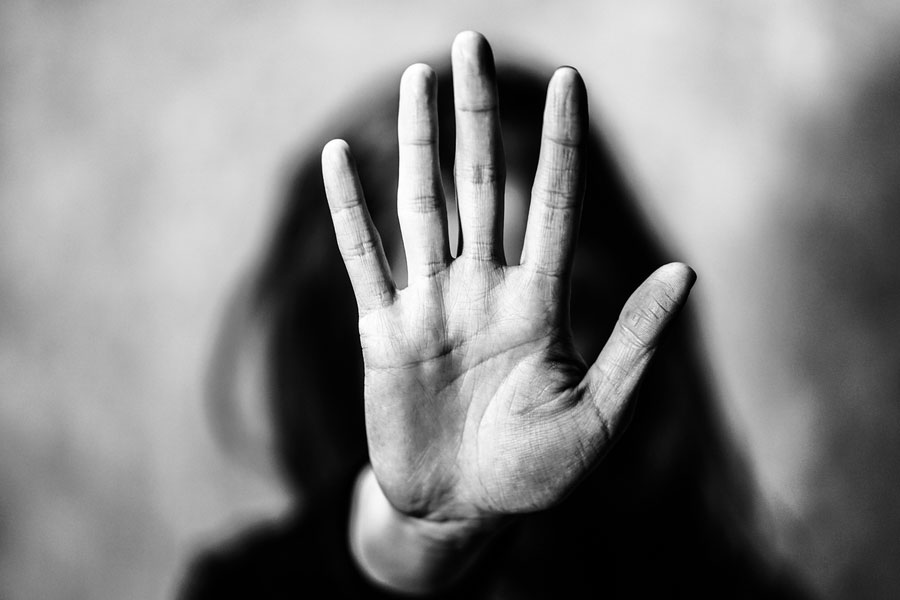
Intimate partner violence in India is often perceived in moral, legal or cultural terms only. A recent analysis in The Lancet seeks to challenge this perception. It has shown that IPV is a major public health crisis as it leads to significant health outcomes in women. The analysis draws data from the Global Burden of Disease Study 2023 to highlight the fact that women exposed to IPV are significantly more likely to suffer from depression, anxiety disorders, post-traumatic stress, chronic pain, cardiovascular disease and gastrointestinal disorders. Importantly, these health challenges persist over and above pre-existing health conditions. IPV worsens health trajectories, increasing both morbidity and long-term healthcare needs. For women of reproductive age in South Asia, IPV is a greater risk factor for poor health than even obesity, smoking or alcohol use. Linkages between IPV and health conditions remain poorly understood in India because women’s health itself is severely under-researched. Even in studies, such as health surveys, the focus is often on physiological challenges — childbirth, contraception and anaemia — with mental health conditions and their catalysts, including IPV, ignored. Consequently, the health system encounters IPV only at its endpoints — fractures, suicide attempts, obstetric complications — without recognising it as an upstream risk factor.
Data from the National Family Health Survey-5 show that nearly 30% of married Indian women aged 18-49 have experienced physical or sexual violence by a spouse. The implications of this are profound. Since clinicians are rarely trained to screen for violence, the root cause of some health challenges remains unaddressed. This leads to misdiagnosis, fragmented care and escalating costs. Despite this, IPV remains marginal in public health planning. Government programmes addressing domestic violence are designed to be welfare or legal interventions rather than preventive health strategies. Bringing IPV out of the shadows demands an organic shift in how society understands women’s health. Doctors, nurses and frontline health workers must be trained to recognise violence as a clinical risk factor. Routine, confidential screening and counselling should become part of primary healthcare. Equally important is the breaking of social barriers that augments the culture of silence. Shame, economic dependence and fear of social ostracism prevent most women from seeking help: NFHS-5 shows that over 75% of women who experience spousal violence never sought support. Any effective response must therefore begin at the community level, engaging local institutions, women’s groups and self-help networks to encourage acceptability and disclosure.