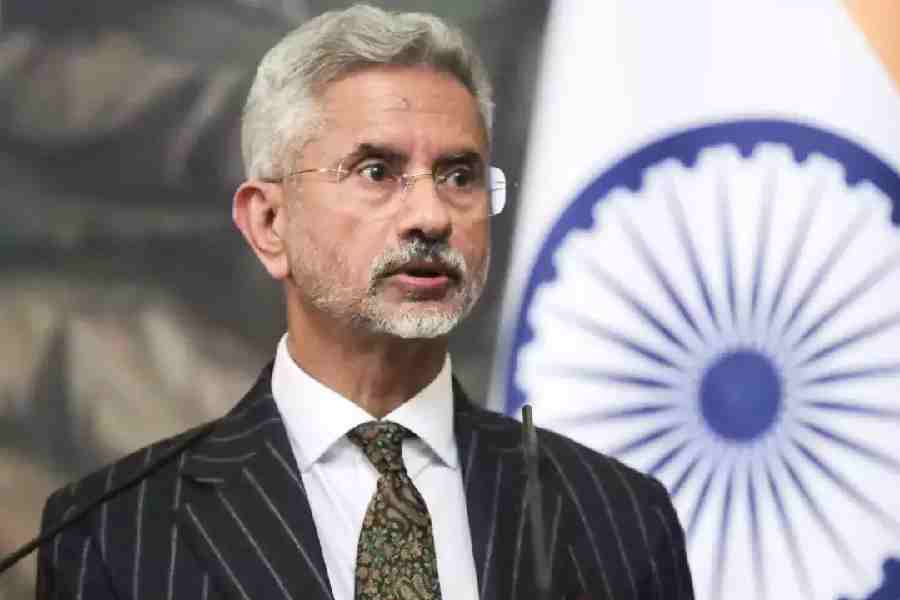
The forceful defence of India’s approach to the war between the United States of America and Israel on the one hand and Iran on the other by the external affairs minister, S. Jaishankar, at an all-party meeting reflects the careful balance New Delhi is attempting to strike — project — amid the conflict. Critics have questioned the timing of Narendra Modi’s visit to Israel two days before the start of the war, and the government’s initial silence in condemning the assassination of Iran’s then supreme leader, Ayatollah Ali Khamenei. In recent days, however, New Delhi has been clearer about its priorities — from its focus on diplomacy and negotiations to end the war to its emphasis on working towards combating the economic impact of the crisis. The government’s outreach to all stakeholders, including the US and Israel, Iran, and the Gulf countries that have been hit by Iranian missiles and drones, is welcome. India must not pick sides. And it must not be seen to be picking sides. The limited but useful interventions with Iran’s leaders by
Mr Modi and Mr Jaishankar that helped secure the passage of some Indian oil tankers through the Strait of Hormuz are a sign that India continues to be viewed as a neutral player in the current war. Some politicians and observers in India have raised concerns about Pakistan’s emergence as a mediator between the US and Iran, and whether that suggests that New Delhi has been sidelined as a potential interlocutor. In response, defenders of the government have tried to underplay Pakistan’s role, calling Islamabad just a messenger. This debate is unnecessary — and unseemly. It should not matter to India who plays what role in trying to bring the warring parties to the negotiating table. What does matter is that every effort to ensure peace at the earliest must be deployed.
Mr Jaishankar’s defence of India’s strategic response is understandable. But the real test lies elsewhere. What is of paramount importance is that Indians have access to oil, gas, fertilisers and other commodities that are increasingly in short supply because of the war. New Delhi must have a contingency plan to secure India’s energy needs, especially if the conflict is prolonged. The interests of expatriate Indians — more than nine million Indians reside in the Gulf — need to be protected too. Efforts to shape global perceptions count only so much. Ultimately, the Indian government is answerable, first and foremost, to its people.