
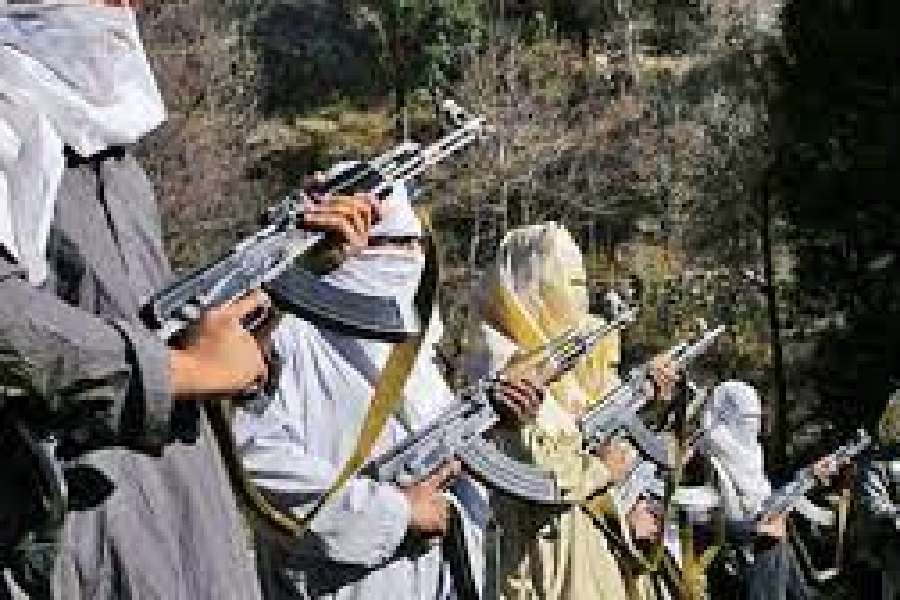
The spectre of terrorism has bled many corners of India over the decades. India has, at long last, responded with the nation’s first-ever national counter-terrorism policy and strategy. Christened PRAHAAR, the document, released by the Union home ministry, etches out not only the scale of the threat and its many textures but also underlines some of the pivots around which revolve India’s responses. National anti-terror doctrines are not exactly novel. The United States of America as well as the United Kingdom have their own versions to address specific challenges.
Some elements central to PRAHAAR are of significance. The document specifies that India does not associate terrorism with religion, ethnicity or regions as a matter of policy. Unfortunately, this neutrality has not been reflected in the political and the electoral terrains as a result of which Indian Muslims have borne the brunt of demonisation after terror attacks. There have even been murmurs that some other forms of extremism have been brushed under the carpet. New Delhi’s insistence on highlighting cross-border terrorism in PRAHAAR is absolutely correct given Pakistan’s troublesome history in exporting the poison. These transborder tentacles have also lengthened the shadow of global jihadi outfits. What is of equal importance is PRAHAAR’s documentation of the changing dimensions of terrorism. From the deployment of drones and robotic technology to the weaponisation of hacking and cyber modules, the modus operandi employed by terrorists and their patrons is undergoing a sea change. Social media has also turned out to be an effective platform for radicalisation. The misuse of these technologies and platforms must be resisted: but the challenge for India’s government and security establishment is to accomplish this without infringing on civilian rights and privacy. PRAHAAR’s decision to reach out to philanthropic entities and community support systems to deradicalise youth is wise. However, the policy seems to discourage public accountability. An annual assessment of this counter-terrorism doctrine is essential in a nation that has witnessed the curbing of liberties — individual and collective — on account of the prioritisation of the rhetoric of national security.