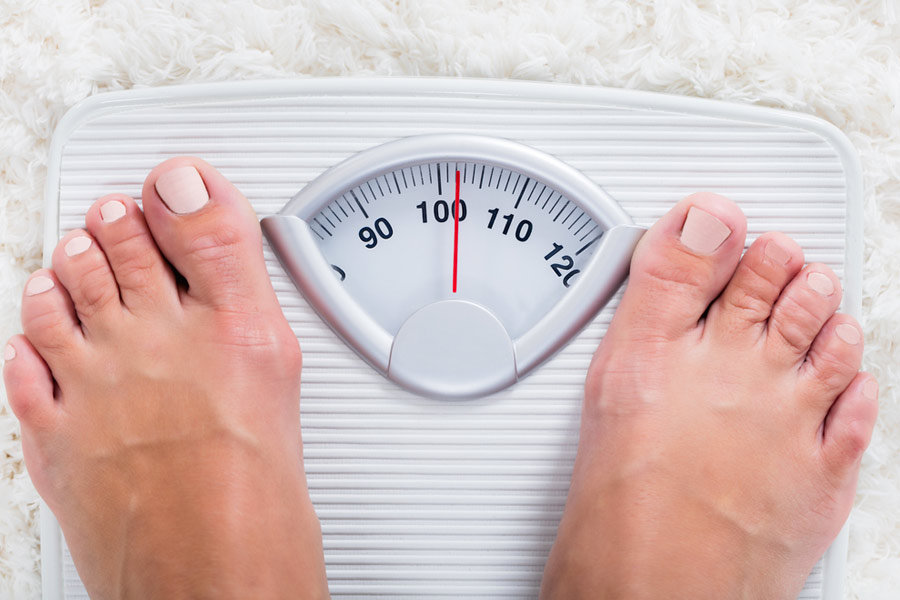
Modern India has a bulging waistline. Over 100 million Indians are affected by obesity. Worryingly, projections reveal that one out of every three Indians would be overweight by 2050. Ironically, the country is now having to contend with a new challenge: violations in the use of weight-loss drugs. It has been reported that the Central Drugs Standard Control Organisation has sent notices to defaulting entities on account of transgressions perpetrated in the market for weight-loss medication. Even though the nature of the violations and the details of defaulters remain unknown, what is clear is that India’s apex drug regulatory authority had to implement this step to impose curbs on such malpractices as unauthorised sale and misuse of the medications. Audits of 49 entities led to the CDSCO issuing notices to wholesalers, online pharmacy warehouses, retailers and slimming clinics.
The interest in weight-loss medication has resulted in a noticeable expansion in drug manufacturers making generic anti-obesity medicines. But such an expansive production capacity has not been accompanied by a complementary ethical framework. Consequently, wider public access to such medicinal products has been accompanied by a rampant violation of safeguards. For instance, doctors have warned that people are increasingly indulging in unsupervised use of such medicines. Follow-up protocols are not being adhered to by patients either. It is evident that the situation requires a remedy. Strict oversight on the part of regulatory institutions and the government could be one answer. So the CDSCO’s mitigatory intervention is welcome. But there is an additional need. Public awareness and education regarding anti-obesity drugs must improve — and steps must be taken to ensure this early. Formative institutions, such as family and school, should be chosen as sites of education. Reliance on drugs alone will not help the nation turn slim. A sedentary lifestyle — the bane of modernity — compounds India’s obesity challenge. Indians should be encouraged to lead an active life instead of solely relying on quick-fix solutions, such as anti-obesity medication, to stay healthy.