
Cuttack, Oct. 27: Kandhamal district has registered an Infant Mortality Rate (IMR) of 150 in the past six months, according to a field report submitted to the Centre.
IMR is the number of infants dying before reaching one year of age per 1,000 live births. The state ranks much below the national average in the Infant Mortality Rate (IMR) index, clocking an IMR of 53 as against the national average of 42.
Advocate Pravat Ranjan Dash, a Cuttack-based human rights activist, submitted the field report in response to the Centre's queries on the availability of Sick Newborn Care Units (SNCUs) or Critical Newborn Intensive Care Units in Kandhamal and Nayagarh districts.
The Centre had sought the information after Dash complained about the alleged failure of the Odisha-Unicef co-operation programme for infant mortality reduction in the state.
In the report, Dash stated that records at the Kandhamal district headquarters hospital indicated that 525 infants were admitted between April and September this year. Of them, 83 died in the hospital, with 23 dying in April alone.
"Kandhamal district has the highest IMR of more than 150," the report claimed.
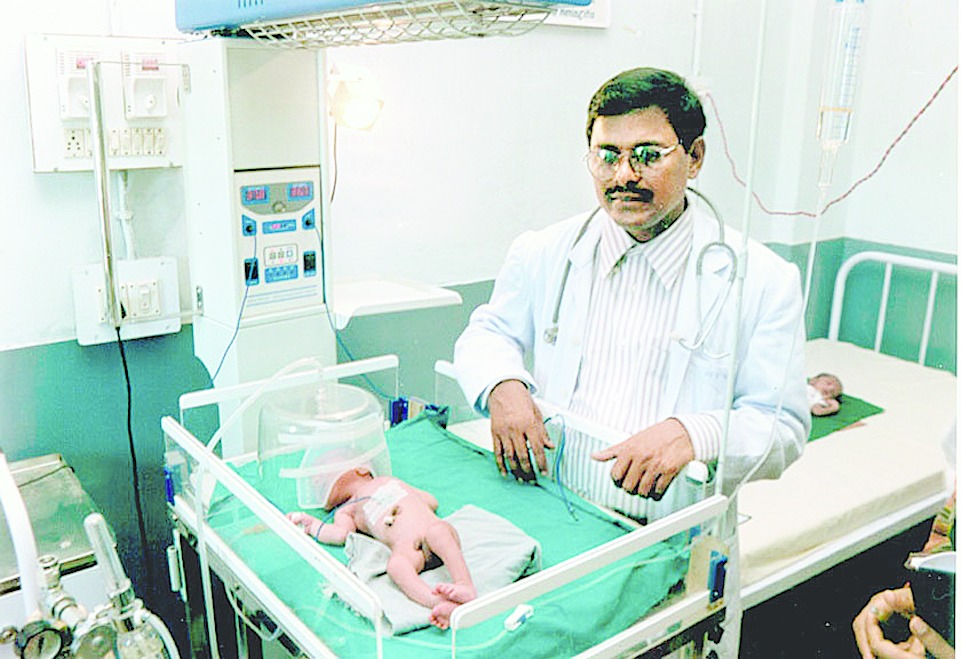
The report said that the SNCU at the hospital remained overcrowded, as the facility was not available in the neighbouring Boudh district. While no paediatric specialist was available at the hospital, the SNCU was managed by an assistant surgeon who was not "coming regularly", it added.
While no ventilator was available in the hospital, of the 12 warmers and eight oxygen concentrators available in the hospital, eight and four respectively were functioning, it said. "The equipment which are not functioning could not be repaired immediately as technicians and biomedical engineers have to come from Bhubaneswar to repair them," the report said while indicating it as "a major laxity and apparent cause of deaths."
At the Boriguma primary health centre and Tumudibandha community health centre in Kandhamal, only one doctor was on duty.
In his complaint, Dash had alleged that critical child health care facility in most primary health centres (PHCs), community health centres (CHCs) and district headquarters hospitals in the state were in a deplorable condition.
Most PHCs, CHCs and district headquarters hospitals did not have infant critical care units with life saving equipment, beds for newborn sick babies and experienced paediatricians, the report said, adding that there were no ambulances with life-saving facilities to carry the infants from the PHCs and CHCs to the district headquarters hospitals.
"The complaint was submitted to the chief field office, Unicef Odisha and a copy of it was sent to the Union minister for health on September 8. On September 15, the Government of India's Unicef division accepted the complaint. Later, queries were sought on the complaint. In reply to the queries, the field report was submitted on October 13," Dash said. "According to communication received, the complaint has been placed before a high power committee for necessary action."
The report said that in the Nayagarh district headquarters hospital, owing to the non-availability of SNCU facilities at the PHC and CHC levels, there was overcrowding of critical infants at the 12-bedded SNCU at the hospital. "At times, more than 40 babies are accommodated in the 12 SNCU beds," the report said.