Bhubaneswar, April 27: Bowing to pressure from the Maoists and their sympathisers, the state government today constituted a high-level committee to resolve land problems afflicting tribals in the scheduled areas.
While chief administrator, Koraput-Balangir-Kalahandi (KBK), has been appointed committee chairman, the panel comprises member, Board of Revenue, secretary, revenue and disaster management, secretary, SC and ST development, revenue divisional commissioner (southern division), revenue divisional commissioner (northern division) and the secretary, Board of Revenue.
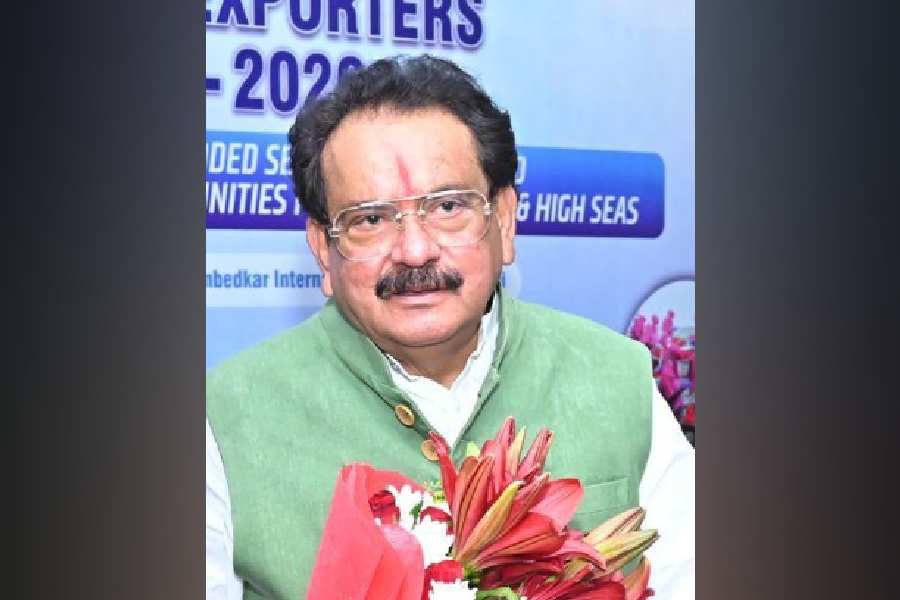
“The committee will visit the scheduled areas of the state and suggest measures to resolve problems related to land within three months. The committee will also make recommendations for effective and expeditious restoration of the land rights of tribals in these areas,” said revenue and disaster management minister Surya Narayan Patro.
Land has been a major cause of strife in the tribal areas of the state where Maoist activities have been on the rise. The Maoist-backed Chasi Muliya Adivasi Sangh (CMAS) is spearheading a movement against non-tribals who have allegedly usurped tribal land in the Narayanpatna area of Koraput district. Many CMAS leaders are in jail with Maoists and their ideologues stepping up the demand for their release. The release of CMAS activists from jail is, in fact, one of the salient features of the 14-point agreement between the government and the Maoist-chosen representatives that had paved the way for the release of Malkangiri collector R. Vineel Krishna. The collector was released after nine days in Maoist captivity in February this year.
The minister admitted that the move was aimed at putting an end to the alleged trend of land grabbing by non-tribals in scheduled areas including Narayanpatna. Only two days ago, Maoists ideologue Varvara Rao and human rights activists, Prof Hargopal and Dandapani Mohanty, both signatories to the February agreement, had addressed a rally of tribals in the Narayanpatna area accusing the government of being indifferent to their demands for the restoration of land snatched away from them.
Incidentally, Narayanpatna is not the only area in the state to witness land related agitations by tribals. The issue in the past had also sparked off tension in Kandhamal and Nowranpur districts. While Kandhamal witnessed riots with tribals and non-tribals fighting pitched battles, two tribals were killed in a police firing in Nowrangpur in the wake of a violent agitation over land rights.
Sources said that during the BJP-BJD coalition rule an effort was made to sort out land problem by constituting a special cell to identify land fraudulently taken away from tribals in the scheduled areas so that it could be restored to them. Though the cell initially did some good work, later it fell victims to political pressure and the situation in the scheduled areas was back to square one.
In a similar effort later in 2004, the government issued a notification asking people to provide details of the land they had purchased from tribals after 1956. “However, 90 per cent of those who had made such purchases did not volunteer to make declarations. Some even went to the court,” said an official.
A team of students from Delhi, who toured the strife-torn Narayanpatna block of Koraput district from April 11 to April 16, discovered that CMAS activists were fighting against the historical exploitation of tribals by non-tribals in the area. They also came across allegations of fake encounters and arrests by the security forces in the area.