|
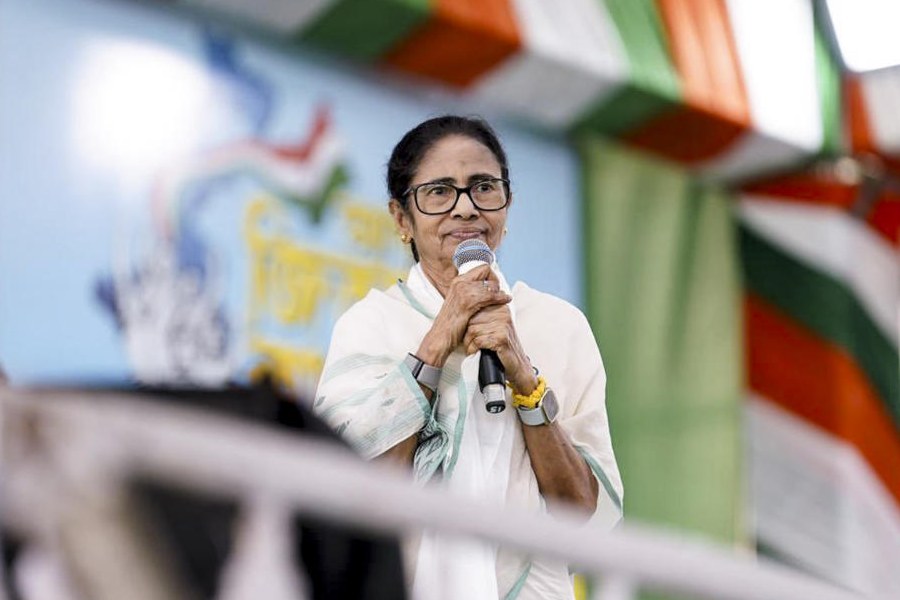
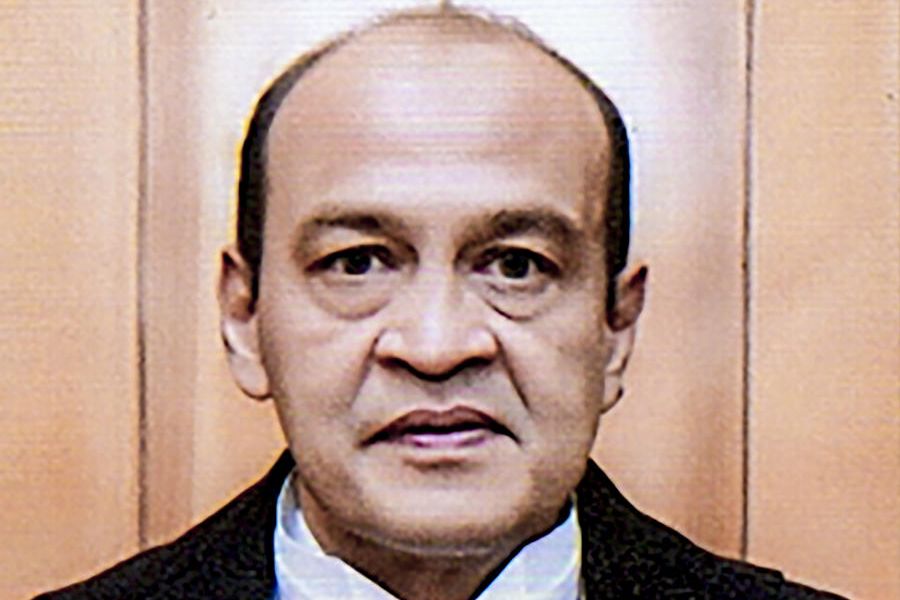
| School and mass education secretary Usha Padhy at the symposium in Bhubaneswar. Picture by Ashwinee Pati |
Bhubaneswar, Oct. 3: A number of proposed reforms are in store for matric exams.
A high-power committee of the Board of Secondary Education had made certain recommendations to streamline the exam and evaluation process, which were discussed at a symposium today.
The recommendations including introduction of a grading system, inclusion of more objective-type questions and penalty for evaluation errors won the state government’s nod here today.
Once it gets official approval, the recommendations would be implemented with immediate effect.
“One of the major proposals is to do away with marks and award grades on a nine-point grading system. We don’t want to declare results in terms of pass and fail either. Students securing grades between A1 and D should be treated as qualified, while grades E and F would stand for unsatisfactory,” said board president Dakhya Prasad Nanda.
Other important suggestions covered the setting of question papers, fixing exam centres and evaluation of answer scripts. It was proposed to prepare exam papers with equal number of multiple-choice objective and subjective questions. In this system, a student would be required to attempt 50 objective questions on optical mark recognition sheets in an hour. The time to complete 50 marks of subjective questions would be 90 minutes. “We could hold both exams separately — the objective test in January and the subjective one in March so that students don’t feel stressed out,” said Nanda.
The state government has considered chalking out a uniform schedule to conduct final exams of Class IX students in all high schools to acquaint them with the multiple-choice questions on optical mark recognition sheets. The board would be entrusted with the responsibility of setting a common question paper.
Minister of school and mass education Rabi Narayan Nanda, however, rejected the board’s proposal to collect Rs 100 from each student for the common exam.
“We will not allow the board to put any financial pressure on the candidates. We also turned down their suggestion to hike the board exam fees from Rs 235 to Rs 525,” the minister said.
School and mass education secretary Usha Padhee said the government would soon issue an order giving details of penalties for errors in evaluation and other exam-related processes. Online registration for exams might be implemented from 2015, she said.
Students and teachers, who attended the symposium, also placed their suggestions before the authorities. “We would request the board to allow us to appear for exams in our own schools and depute teachers from outside,” said Simanchal Sahu, a student from Berhampur.
After the introduction of separate objective and subjective question pattern, teachers, subject experts and academics would be requested to send questions based on the syllabus for moderation and inclusion in the question bank.