|
| Guru Rewben Mashangva performs with his son, Saka, at an event. File picture |
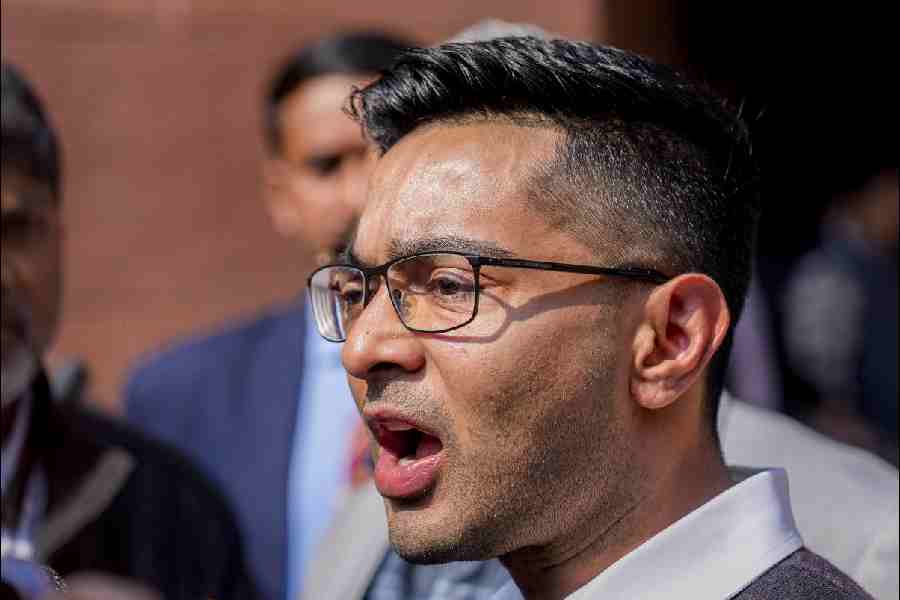
Imphal, Sept. 3: Folk singer Guru Rewben Mashangva has struck a different note! From lyrics and rhythm he is planning a career in politics. The king of Tangkhul music might just become the next pradhan of Laipham Khunou gram panchayat in Imphal East, a reserved seat for Scheduled Tribes.
The 51-year-old singer has promised to usher in positive change if elected, but before that he must defeat two seasoned politicians from the Tangkhul and Kuki communities.
While one rival, Chinboy Khongsai, is a former pradhan, the other, Benjamin Hungyo, is currently a gram panchayat member.
The four districts of Imphal West, Imphal East, Thoubal and Bishnupur will go to the polls on September 13 to elect 60 zila parishad members, 161 pradhans and 1,541 members of gram panchayats. Rewben’s fate will be decided that day.
The Laipham Khunou gram panchayat has 6,000 voters and a majority of them are from the Meitei community.
Rewben was born on June 21, the longest day of the year, in 1961, at Choithar village in Ukhrul district. He has been performing for nearly 25 years and has won many national awards. A music company based in Mumbai launched his music album Our Story in June this year. The album featured his young son Saka.
Rewben now lives at Nagaram of Laipham Khunou GP. He decided to join the electoral fray after several people in the area proposed his name.
Mashangva has always been concerned with the lack of development of his locality. “I have travelled to many places and tasted success as an artiste. But my place remains the same without any change for the past many years. People have trusted me because they think artistes are honest and committed. I will not let my supporters down. I will work for change,” Rewben told this correspondent.
One of his favourite quotes is Abraham Lincoln’s oft-quoted dictum: “Always bear in mind that your own resolution to succeed is more important than any other one thing”. Rewben said he drew inspiration from this quote.
For his symbol, Rewben has chosen a bulb. This morning he hoisted his flag — a bulb against a white background — at his Nagaram home. Although he was clad in a white kurta- pajama and a Tangkhul traditional vest, he looked very distinctly like a non-politician.
He moved around restlessly as if he was waiting for his turn to take the stage for his famous song, Winning peace together.
During the flag hoisting ceremony, he prayed like a devout Christian. Later, when the flag slowly unfurled, he appeared determined. Then he addressed an election rally at a community hall nearby where he spoke about change. The transition into a politician was complete.