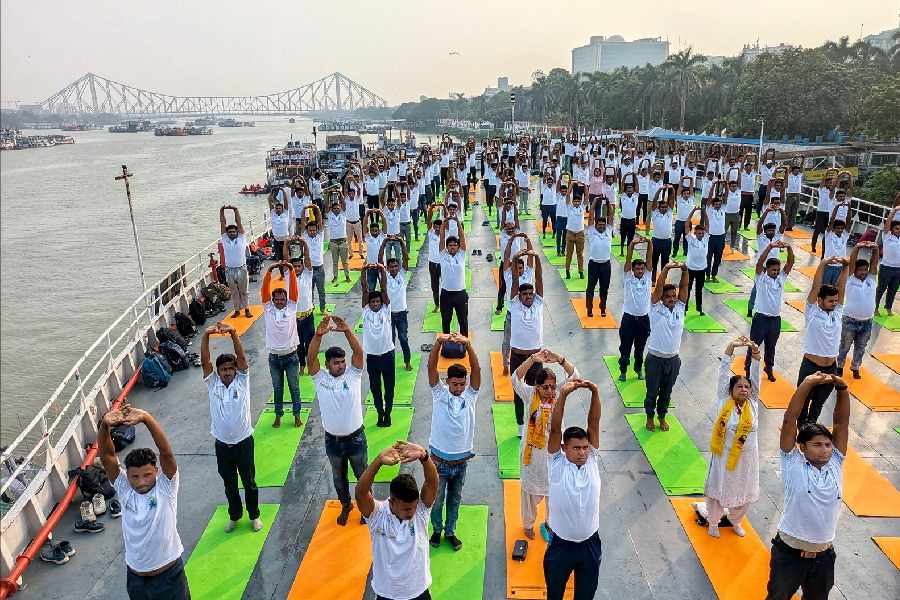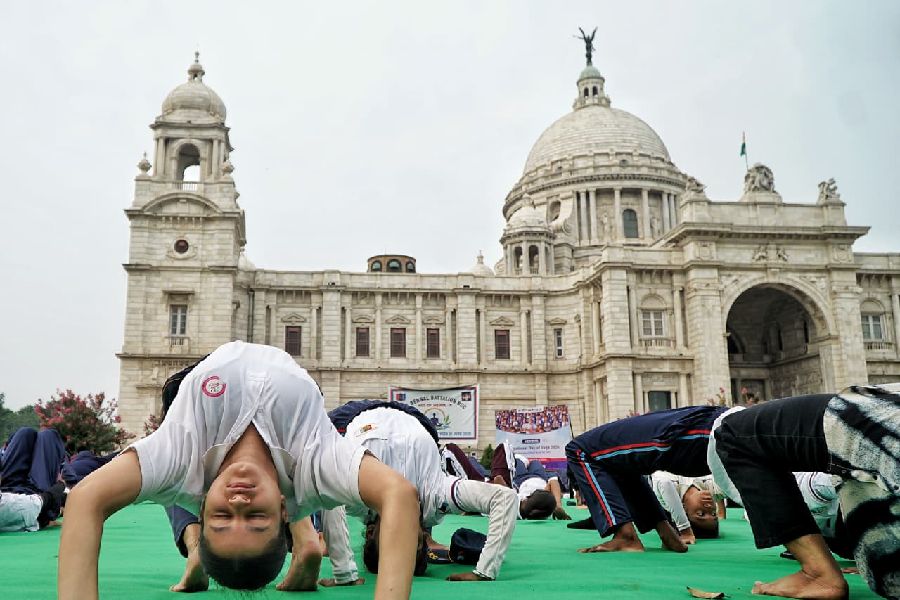
India, and the world, are observing the 12th International Day of Yoga on Sunday (June 21), with Prime Minister Narendra Modi participating in the celebrations in Kolkata. But, doctors and yoga experts are reminding people with pre-existing health conditions, on this occasion, to exercise caution while embracing the ancient practice.
While yoga is widely recognised for improving flexibility, reducing stress and boosting overall wellbeing, experts say people with heart conditions, diabetes and high blood pressure should choose their routines carefully.
According to Anil Mishra, director, cardiology, BM Birla Heart Hospital, patients with cardiovascular conditions should be particularly mindful about choosing the right type of yoga.
“Yoga can be extremely beneficial for people with heart conditions, but moderation is key.”
Rupsha Bhattacharya, a yoga and anxiety relief coach with more than two decades of experience, cautions against high-intensity sessions for people with hypertension and cardiac ailments.
“People with high BP and heart conditions should avoid anything of high intensity. Anything to do with breath retention is a big no-no for them and should only be performed under professional guidance. Lunging forward or changing poses too quickly is not recommended. Deep back-bend poses like Bhujangasana, Adharidasana, or Ushasan camel pose bring on the risk of health hazards for such patients,” said Bhattacharya.
Arup Halder, a pulmonologist at CK Birla Hospitals, CMRI, said yoga can benefit people with diabetes and chronic respiratory illnesses when practised correctly.
“People with diabetes and chronic respiratory conditions can immensely benefit from yoga when practiced appropriately. However, individuals with diabetes should avoid exercising on an empty stomach if they are on medications that can lower blood sugar levels. Similarly, patients with asthma or chronic lung conditions should refrain from intense breathing exercises without expert guidance,” added Halder.
Experts agree that yoga should ideally be practised under professional supervision.
Ansu Dahal, a yoga practitioner certified under Ayush, says the focus should remain on stress management.
“Light exercises, safe, gentle yoga poses, and concentration on the mind more than the body is very helpful for patients with high blood pressure.”
Sourish Majumdar, a certified yoga trainer, believes consistency is key.
“Yoga is not an instant relief medicine. What most people do is, after six months of improvement, they leave the practice, thinking they are cured. It is not the case. Our prime minister had said, ‘Do yoga, be illness-free’; if we can maintain that, we will truly be healthier in today’s society.”
Majumdar recommends pranayama as a long-term practice.
“Anulom Bilom can reduce blood sugar in nine months if practiced regularly and carefully. Slowly, the body's inner strength will increase. Right yoga techniques focus on various parts of the body. It is these parts that, when weakened, cause various diseases. Yoga can slowly cure these ailments,” said Majumdar.