Picture this. A teen watching a show on a laptop. A parent walks past and barely notices the screen. It’s animated — vibrant characters, energetic voices and dramatic music. Just another harmless ‘cartoon’, they think.
What they fail to realise is what unfolds on screen. Graphic violence, sexual assault, trauma and brutality straight out of Berserk, an anime known for its intricate art and mature philosophy. The child may not fully comprehend what they are watching, but the images get etched in the mind.
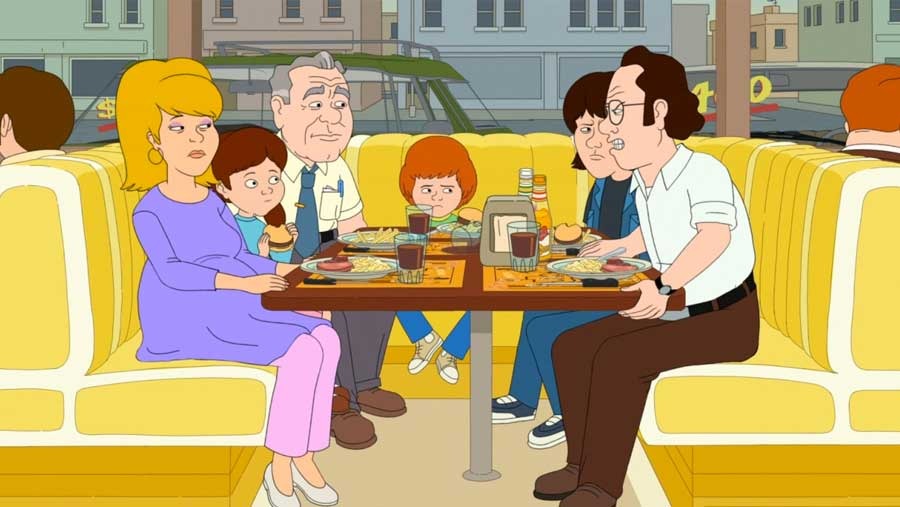
This belief that anything animated is meant for children is a decades-old misconception. Animation can be as dark and disturbing as regular live-action. Why else is Shin-chan, an anime known for its suggestive adult humour, heavily censored and passed off as kids’ cartoons in India? And beyond anime, Western animated shows aka “adult cartoons” like Family Guy, BoJack Horseman and South Park — often dealing with explicit humour — further prove that animation is not always the escapist medium as we knew growing up.
Not just that. Animation is far from being restricted to cartoonish narratives. Oftentimes, there are certain meaningful themes that are explored with more depth via the medium rather than regular movies and series.
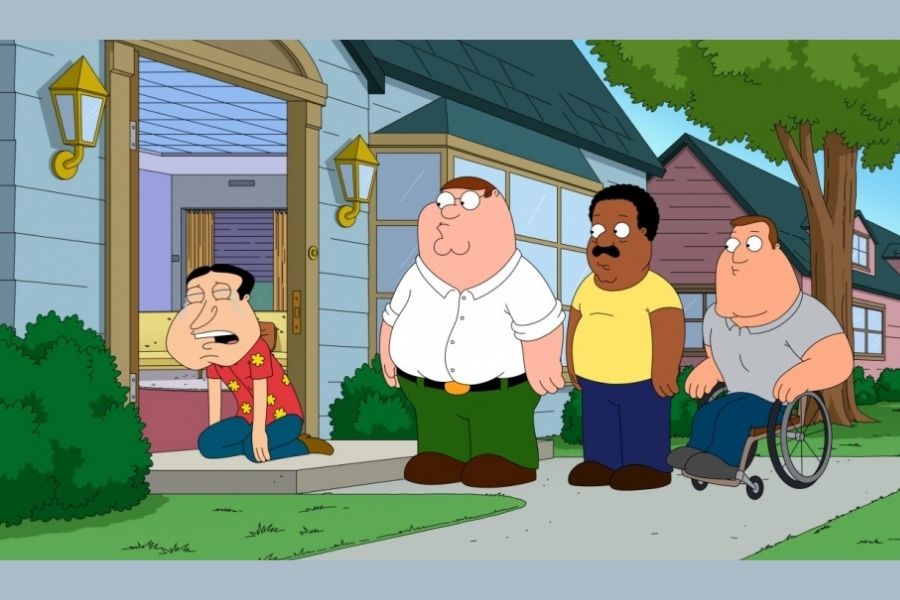
Beyond anime, Western animated shows aka ‘adult cartoons’ like ‘Family Guy’, ‘BoJack Horseman’ and ‘South Park’, often deal with explicit humour
Why animation is still seen as kids’ content
The fact that animation as a medium is largely passed off as children’s entertainment has been shaped by decades of marketing on a global scale. According to Kolkata-born animation filmmaker Debjyoti Saha, Hollywood studios like Disney and Hanna-Barbera dominated early mainstream animation by positioning the storytelling within the target audience of children.
“In India, animation is still associated either with kids or with religious content,” Saha explained. “And the kind of messaging animation carries is pure, simple and non-corrupt value addition — something that fits well with kids and religious content, creating a mass oversimplification of animation being just for kids.”
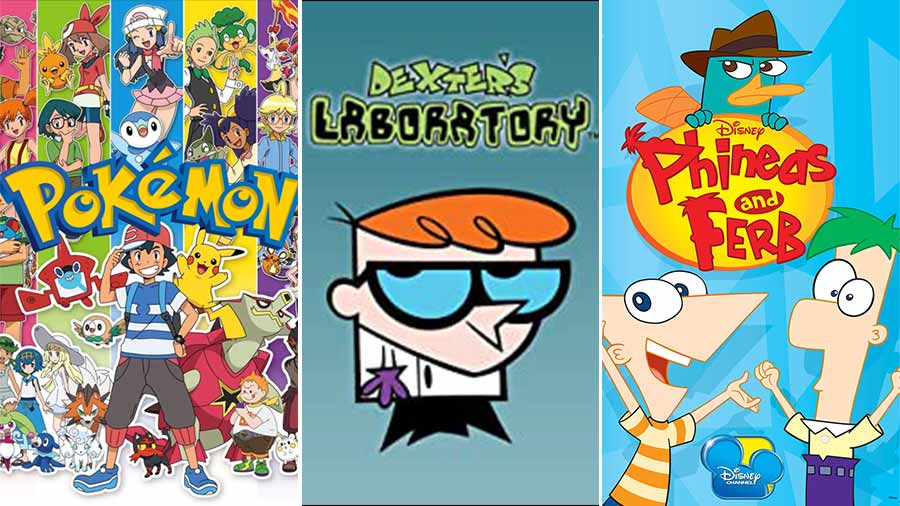
This perception was further solidified by television channels like Cartoon Network and Nickelodeon, which formed a major part of childhoods in the 1990s and 2000s with their caricaturish stories. As a result, a stigma stemming from the marketing strategies affected adults watching animated projects, who would often be deemed “immature” by others.
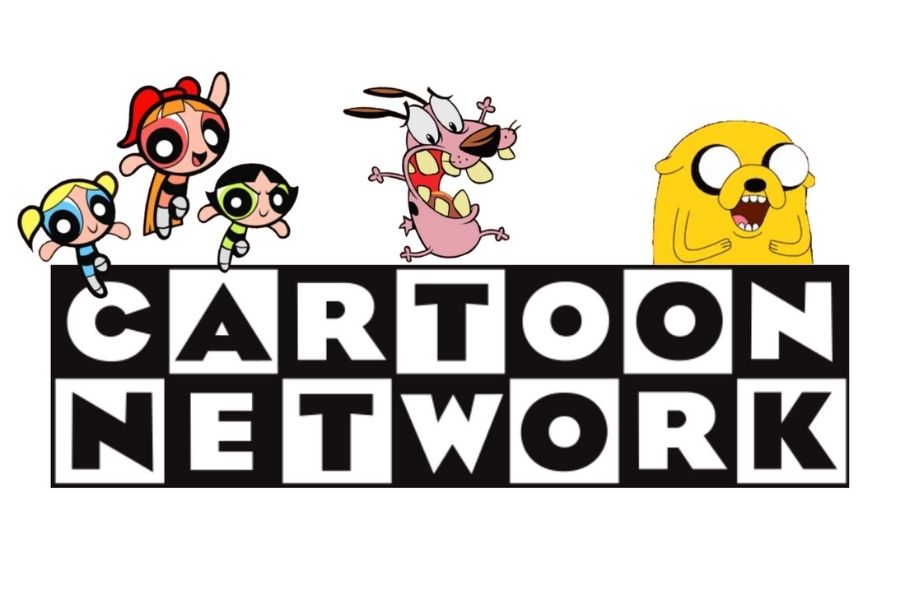
The perception that animation is meant only for kids was solidified by channels like Cartoon Network and Nickelodeon, which formed a major part of childhoods in the 1990s and 2000s with their caricaturish stories
But animation IS cinema
Oscar-winning filmmaker Guillermo del Toro put it best in his acceptance speech at the 2023 Golden Globes: “Animation is cinema,” the Frankenstein helmer famously said, championing animation as a serious art form rather than just a child-friendly genre. “It is not a genre for kids. It’s a medium for art,” he insisted.
Even in 2026, this misconception is prevalent. With the gradual rise of anime from a niche medium to a somewhat mainstream phenomenon, there is still a section of society believing that it is made strictly for children.
This leads to a general unawareness among parents, who cannot grasp what the medium is, why not all shows are meant for children and how the appeal has grown over the years.

‘Animation is cinema,’ director Guillermo del Toro famously said at the 2023 Golden Globes, championing animation as a serious art form rather than just a child-friendly genre TT Archives
Why anime isn’t ‘just cartoons’
One of the biggest misunderstandings is the habit of calling anime “cartoons”, making for a long-running debate between weebs and non-weebs. While both are animated, the style, narrative, cultural roots and target audiences differ vastly.
Saha noted the difference between anime and cartoons. “The difference comes from their respective stylistic and narrative influences. Japan has a sprawling culture of manga and anime with more mature themes and depth, targeted towards mature audiences. Cartoons have simpler digestible messaging for a relatively younger audience,” Saha, the founder of the Mumbai-based independent studio Goppo Animation, said.
Yet to an untrained eye, anime still looks child-friendly, often masking the weight of some of its themes.
Why children need guidance for some shows
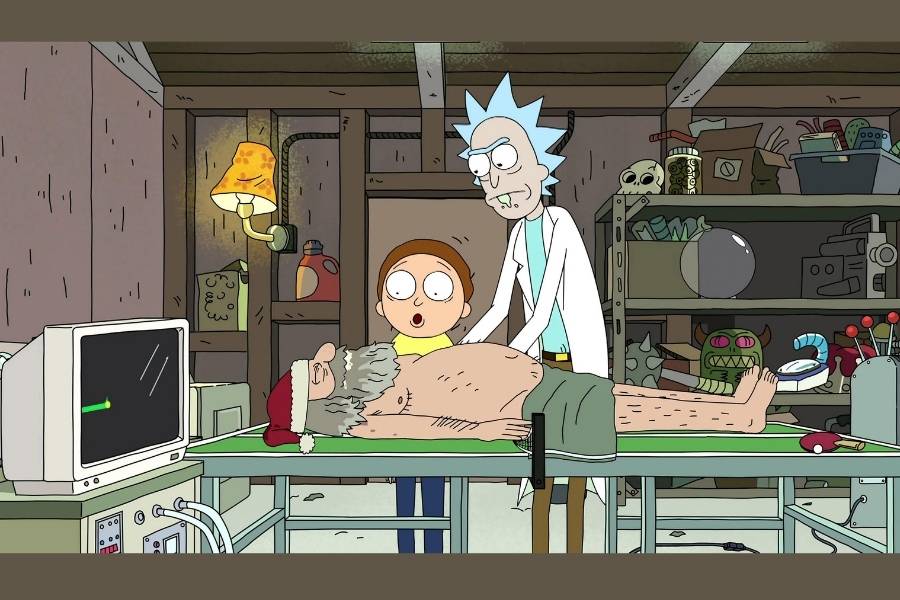
From the realm of the dark and raunchy Western comedies, shows like ‘Big Mouth’ and ‘Rick & Morty’ are intended for an adult audience for their mature themes
Some anime like Elfen Lied, Hellsing Ultimate, Devilman Crybaby, Attack on Titan, and Banana Fish explore themes such as gore, violence, sexual assault and moral conflict. The manga for Berserk even comes with a “Parental advisory needed” disclaimer. More recently, Takopi’s Original Sin, a series with seemingly cute aesthetics, unravelled one of the most devastatingly raw stories ever told.
From the realm of the dark and raunchy Western comedies, shows like Big Mouth and Rick & Morty are intended for an adult audience for their mature themes.
That means children gaining access to them will be left to interpret such themes without proper guidance.
“I think what matters here is context. In this age of overinformation, sex and gore often become tools of engagement through shock, not only in animation but also in live action content,” Saha explained.
That being said, some animated shows back in the ’90s were filled with rampant normalised racism and extreme violence in the garb of humour and jingoism, Saha said.
“But good successful shows provide context to the violence, handle sensitive themes with utmost responsibility to answer the why of the actions and events that take place on screen,” he added.
In conclusion, Saha explained that every content has their audience, and films can’t take complete responsibility for their audience. Films are expressions with responsibility, but expression first.
When children watch mature shows without guidance
Shutterstock
The misunderstanding becomes risky when children access such content without any restrictions.
Clinical psychologist Rimpa Sarkar warns that the visuals in animation makes it impactful for young minds. “Because animation feels ‘safe’, the emotional imprint is often underestimated,” she said.
Sarkar further added that early exposure to violence, sexuality, or moral ambiguity can affect emotional regulation, increase anxiety, desensitise children or normalise aggressive and sexualised behaviour before they are developmentally ready.
The risks increase when children interpret dark themes without any parental supervision. In 2025, a Class 7 student in Bengaluru died by suicide after reportedly being obsessed with the anime Death Note. While no single show can be blamed in isolation, Sarkar stressed that such exposure can blur fantasy and reality, leading to intrusive thoughts, anxiety or an unhealthy fascination with power.
What parents can do instead of banning everything
Both experts agree that banning everything outright rarely works. They often fuel curiosity rather than realisation.
Ranjita Sarkar, a self-employed mother of a 12-year-old daughter, said that parents should help children understand that some animated content is intended for adults only.
It is more effective to explain why certain shows are off‑limits rather than simply scolding them. “Encouraging higher‑quality, age‑appropriate programming is key. Parents can activate child‑control settings on devices and periodically monitor what their children are viewing,” Ranjita added.
Dr. Sarkar recommends practical steps:
- Check age ratings and content advisories
- Base media choices on the child’s emotional maturity, not just chronological age
- Encourage co-viewing or at least open discussions about what they watch
- Set reasonable screen-time limits without completely banning content
- Observe the child’s emotional and behavioural responses after watching
- Pause or restrict content if it triggers fear, anxiety, withdrawal, or aggression
- Ask reflective questions to help children process themes and emotions
- Balance screen time with offline play, hobbies, social interaction, and rest
- Avoid shaming or sudden bans, guidance works better than control
But there is hope
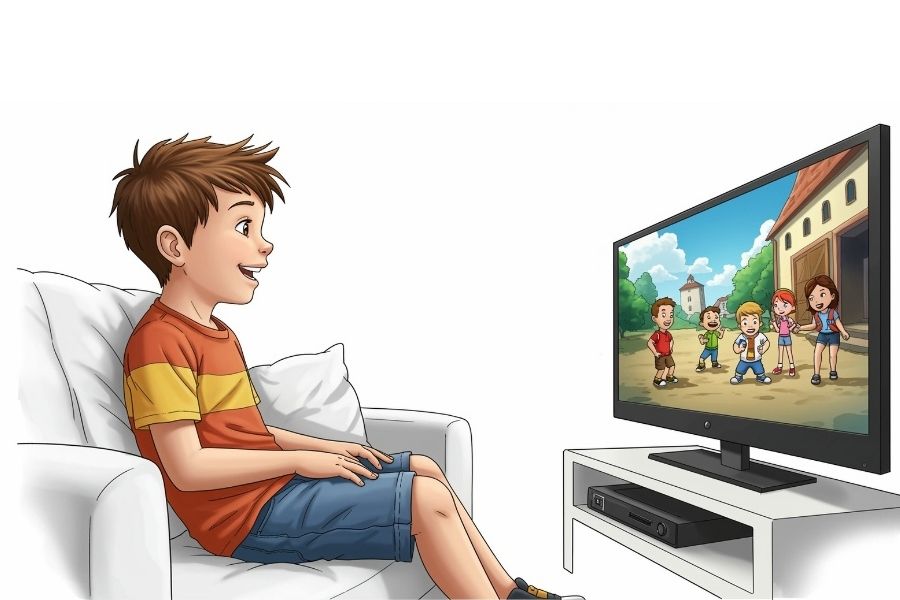
The only way to handle the misconception is gaining awareness of the content today’s generation is viewing
“The audience is hungry for mature and nuanced storytelling, and creators are responding,” Saha said.
The only way to handle the misconception is gaining awareness of the content today’s generation is viewing.
“Constructing your own views and being open to dialogue helps develop a more wholesome conversation around these topics, which will help children make more informed decisions and is probably the need of the hour” Saha said.
With the rise of theatrical releases, mainstream influencers endorsing anime and brands leaning into the fandoms for high engagement, there is hope for animation to shed its labels in the upcoming years. And with that, parental awareness needs to be caught up as well.