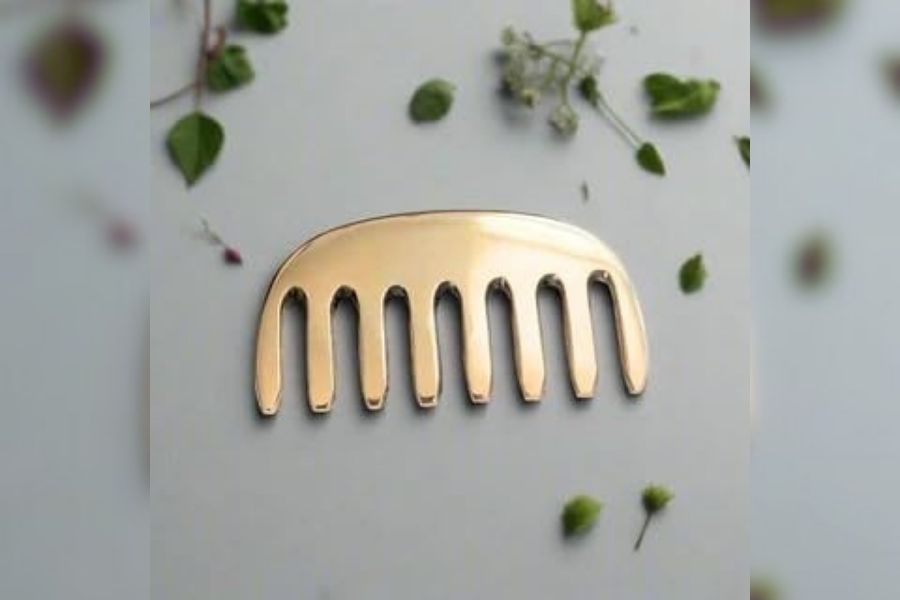
Scroll through Instagram or browse Amazon’s beauty section and chances are you will stumble upon a kansa hair comb priced anywhere between Rs 500 and Rs 8,000. Influencers call it a game-changer for hair regrowth and scalp health. Ayurveda enthusiasts swear by its healing properties. The question is whether this expensive metal comb is genuinely effective or simply the latest wellness trend dressed up as ancient wisdom.
What is the kansa comb?
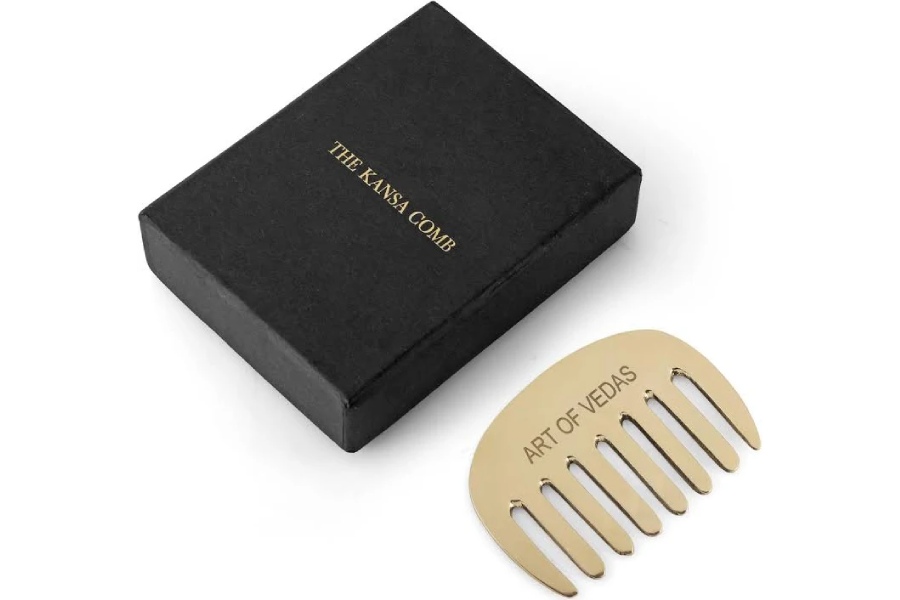
Kansa, an alloy traditionally made from copper and tin, has long been used in Ayurvedic massage tools, most commonly for foot therapy. Now, the same metal has found its way into hair care, marketed as a solution for everything from dandruff to hair fall.
Celebrity stylist Bridgette Jones, owner of The Bridgette Jones Fashion Salon, said the comb’s popularity is a natural extension of older Ayurvedic practices.
“We started with kansa foot therapy at the salon. It is basically the hair care sister of the kansa wand. It is an Ayurvedic tool made of metal, and you can do both foot and scalp therapy. They go hand in glove with each other,” she explained.
Why is it so expensive?
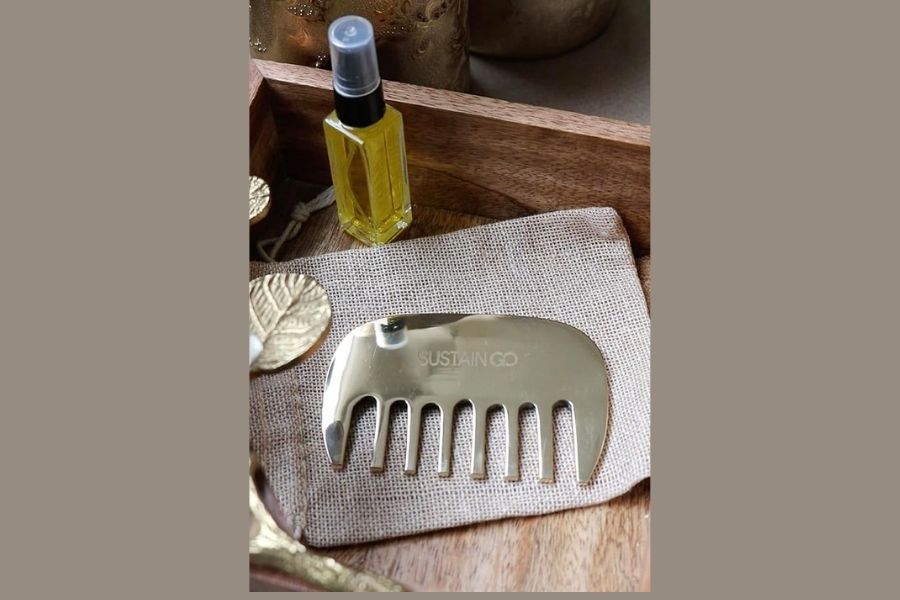
One of the biggest talking points around kansa combs is the price. Jones believes the cost has as much to do with trend cycles as with material.
“Anything that suddenly becomes popular and branded becomes expensive. That is one reason. The second is durability. A metal comb lasts literally lifelong,” she said.
According to her, kansa combs come in different materials and designs, from bamboo-handled versions to full-metal ones. The metal variants, often made of copper-based alloys, are priced higher for their longevity and the sensation they offer on the scalp. “The metal one gives you a more relaxing massage, especially if you do dry combing. It helps stimulate circulation,” she added.
How is it supposed to work?
Proponents claim that kansa combs stimulate blood flow, help distribute natural oils and even ease scalp irritation. Jones points out that the technique matters as much as the tool. “You should always detangle from the ends and work your way up. This reduces breakage. This applies to any comb, not just kansa,” she said.
She also highlights hygiene and scalp comfort.
“Because it is metal, it can help loosen dandruff so it washes off more easily. And if you have an itchy scalp, the metal comb gives you a lot of ease and relaxation,” Jones noted, adding that many people owned similar combs years ago without realising they were using a traditional kansa-style tool.
“Our grandmothers used only these combs. Social media has just brought old things back.”
Can it really help with hair regrowth?
Dermatologists urge caution when claims move from relaxation to regrowth.
Shreya Poddar, consultant dermatologist at AM Medical Centre on Southern Avenue, said kansa combs can be a supportive tool but not a solution. “The gentle scalp massage can have a relaxing effect and may improve local blood circulation, which helps in maintaining overall scalp and hair health,” she explained.
However, she is clear about the limits. “When someone is dealing with active hair shedding or hair thinning, a comb alone will not address the problem. Hair loss usually has an underlying cause such as nutritional deficiencies, genetic or hormonal issues, stress or medical conditions. These need proper evaluation and treatment,” Poddar said.
She added that while scalp tools can complement a routine, they cannot replace evidence-based medical care. For people with otherwise healthy hair, the benefits are more about comfort and maintenance than transformation.
Trend or timeless tool?
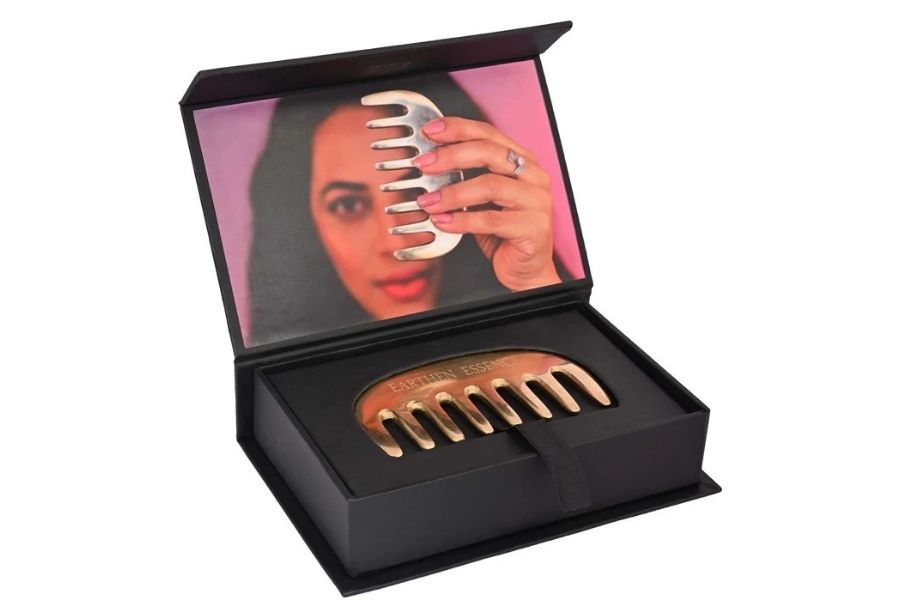
The renewed fascination with kansa combs reflects a larger shift towards traditional wellness practices packaged for a modern audience. The tactile appeal of metal on the scalp, combined with influencer endorsements, has turned a simple grooming tool into a luxury purchase.
Whether it is worth the price depends on expectations. As Jones puts it, “It helps with scalp stimulation, oil distribution and relaxation. If you are looking for a miracle cure, that is not realistic.”
In the end, the kansa comb sits somewhere between ritual and remedy. It may not reverse hair loss, but for many, it offers a moment of calm in an increasingly crowded beauty routine.