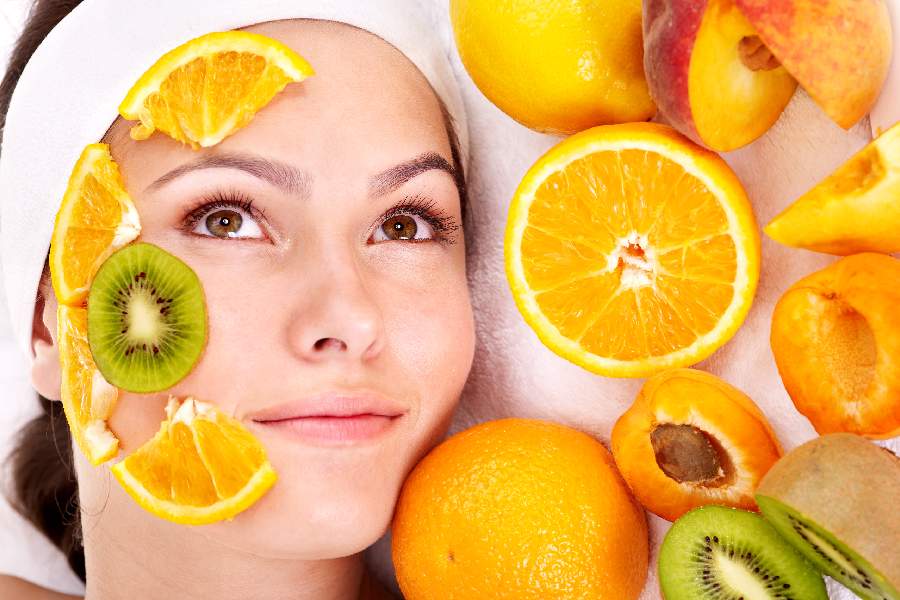
From chilled cucumber slices on tired eyes to lemon-and-honey facepacks promising a glow, kitchen ingredients have long been a part of DIY skincare routines. But while fruits and vegetables are packed with nutrients, experts say what works on your plate does not always work on your face.
Why eating them works better than applying them
When consumed, these nutrients are absorbed and utilised efficiently by the body, contributing to overall skin health from within. Topical application, however, is far less predictable. Many of these ingredients contain natural acids or enzymes that can irritate the skin rather than nourish it.
“Be cautious with DIY topical use, especially on sensitive or damaged skin since products containing natural acids and enzymes can worsen conditions like Atopic Dermatitis or Eczema. If someone still wants to try DIY facepacks, they should always do a patch test first,” said Kolkata-based dermatologist Ishani Chatterjee Ghorai.
For instance:
- Lemon and tomato contain citric acid
- Papaya contains the enzyme papain
- Potato has mild acidic and enzymatic properties
These compounds can trigger:
- Irritation and redness
- Burning sensation
- Increased sensitivity to sunlight
So, the bottom line — natural does not always mean safe and effective. Shreya Poddar, dermatologist at AM Medical Centre, Kalighat, highlighted the reality behind popular DIY ingredients.
Cucumber
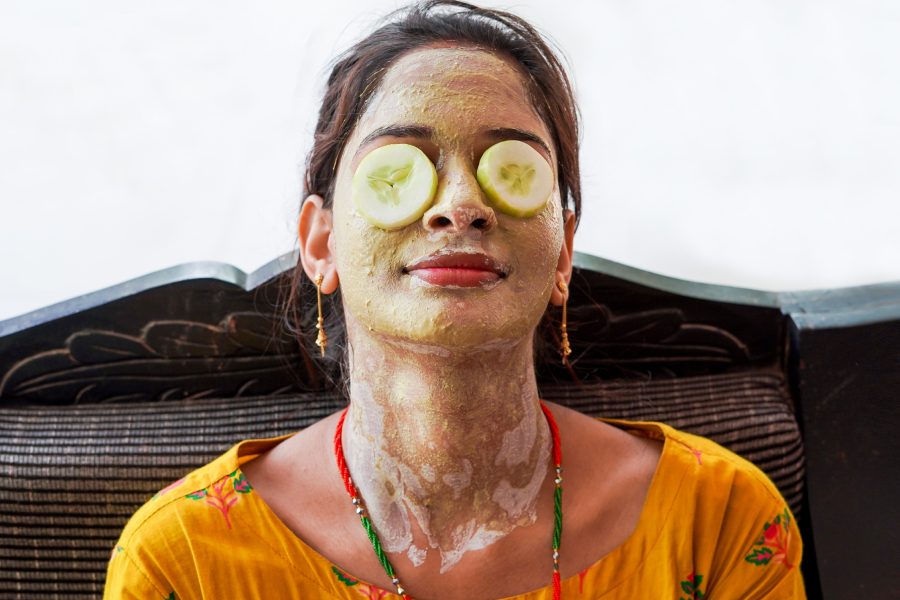
Known for its cooling effect, cucumber can hydrate and soothe the skin temporarily. It’s generally safe, but the results are short-lived and largely cosmetic.
Potato
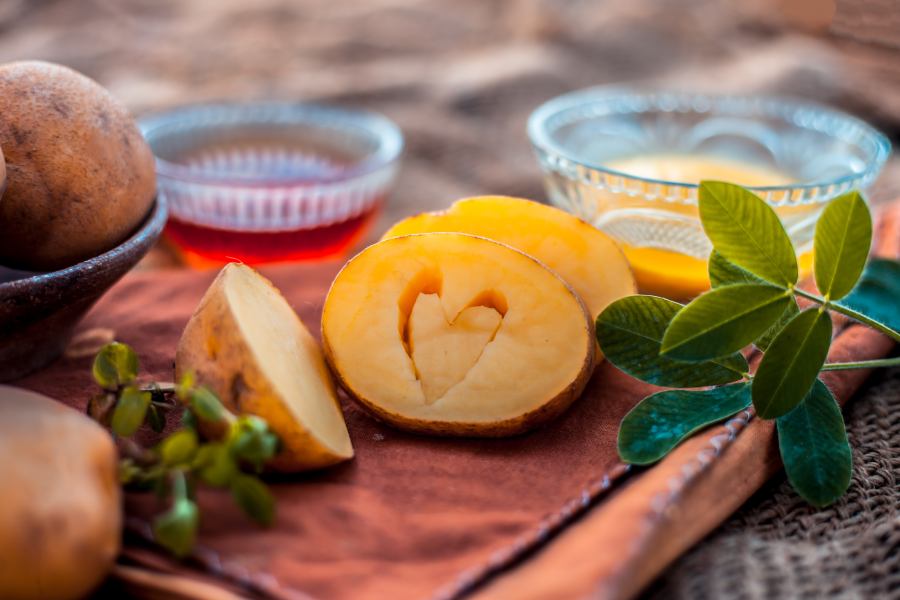
Often touted as a natural remedy for pigmentation, potatoes contain mild enzymes. However, there is little scientific evidence to support any significant skin-lightening effect.
Beetroot
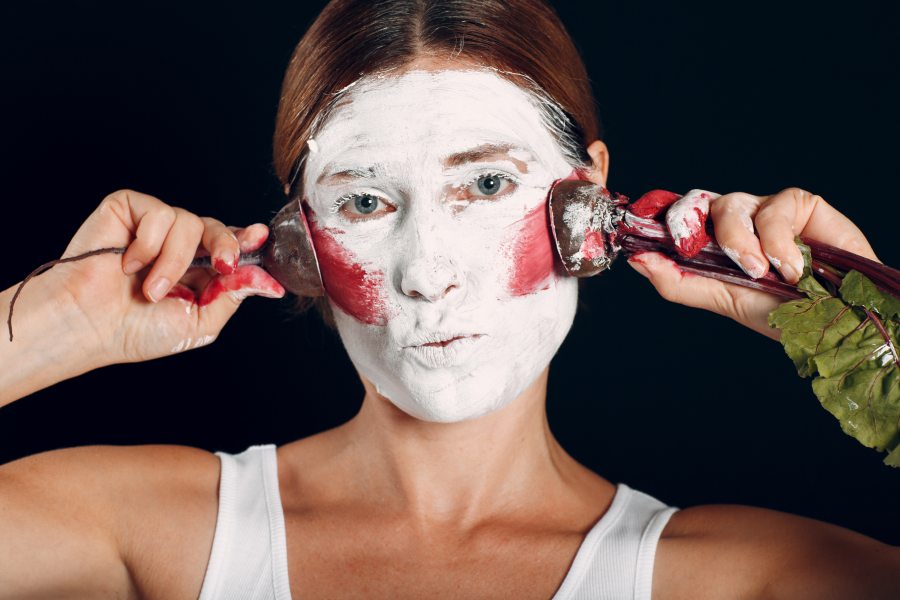
Rich in antioxidants, beetroot may give a temporary rosy tint to the skin — but that’s more of a stain than a skincare benefit.
Papaya
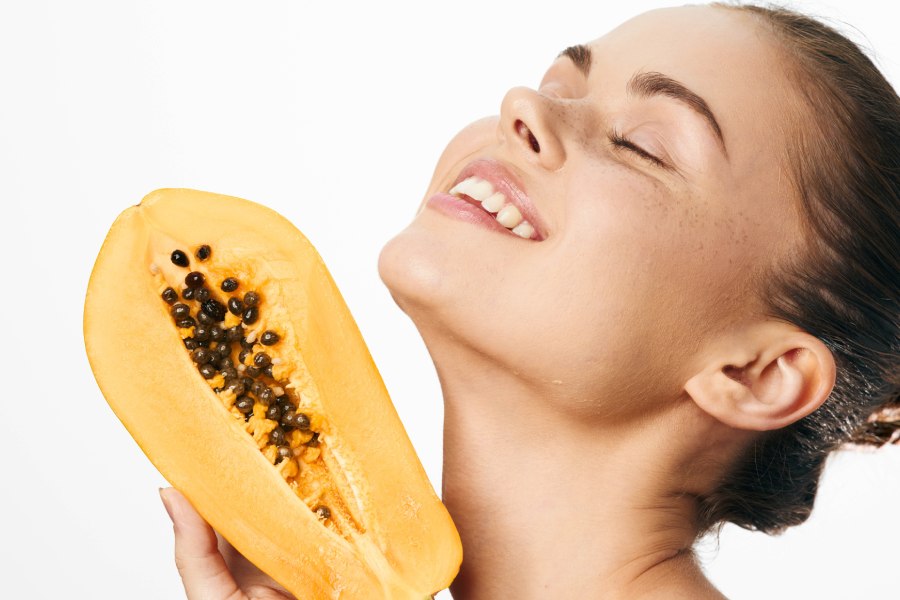
Papaya contains papain, an enzyme that offers mild exfoliation. While this can help remove dead skin cells, it may also irritate sensitive skin.
Tomato
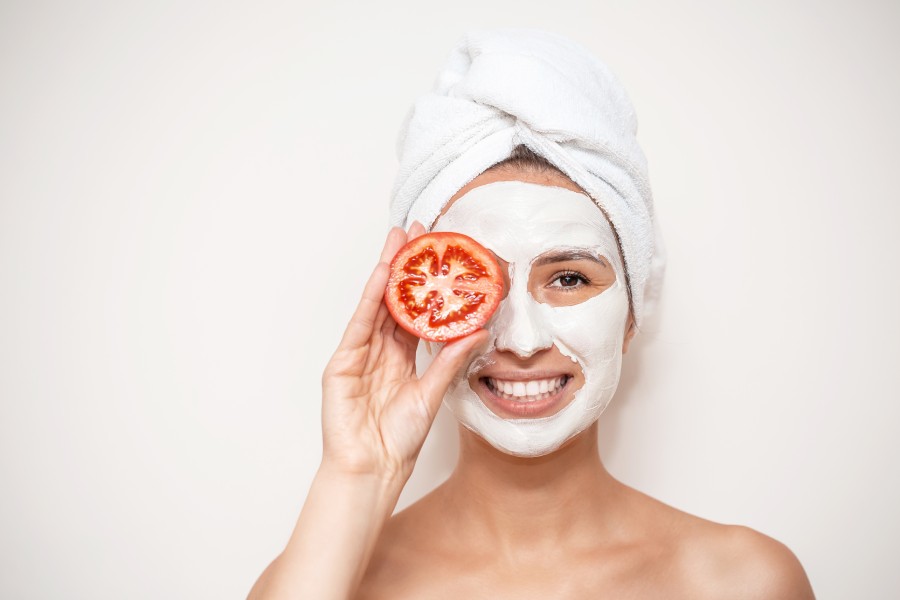
Packed with lycopene, tomato is better consumed than applied. On the skin, it can cause irritation, especially for those with sensitivity.
Lemon
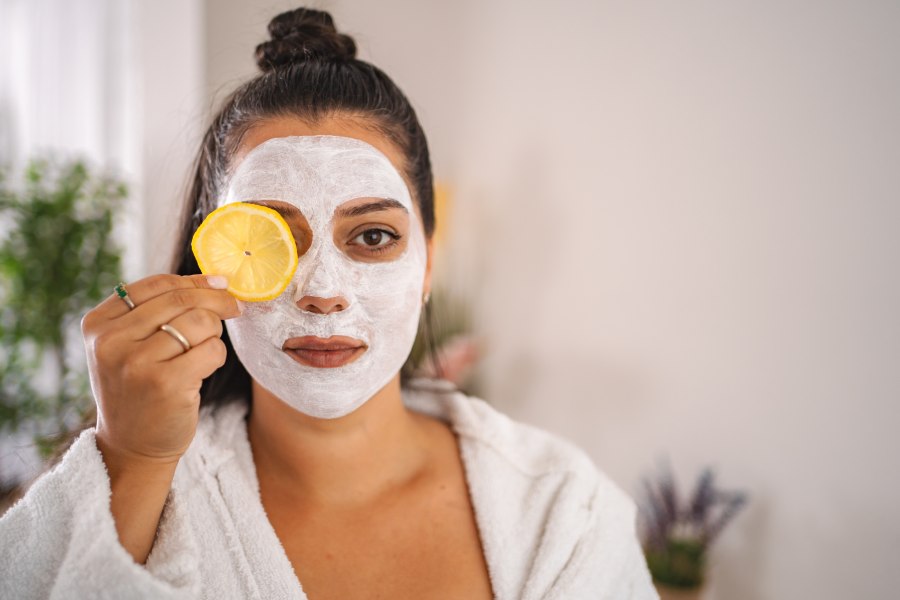
One of the most commonly used DIY ingredients — and one of the harshest. Its high citric acid content can cause burns, increase photosensitivity and even worsen pigmentation.
So, are DIY facepacks worth it?
At best, these remedies offer temporary freshness or mild effects. At worst, they can damage your skin barrier and aggravate existing issues.
A safer approach is to include these foods in your daily diet for long-term skin health.