
Tattoos tell stories, and market and lifestyle trends suggest that more and more people across the world are choosing to get inked.
According to Kolkata-based tattoo artist Sid Thapa, the tattoo market in Kolkata has seen rapid growth in the last three years. More artists are entering the industry with different styles and approaches. While it’s difficult to give an exact number of how many people get tattooed annually, the demand has certainly increased compared to a few years ago.
However, a tattoo should never become a decision you later regret. My Kolkata spoke to city-based experts to understand the health conditions that should make you think twice before getting inked.
Inflammatory skin diseases

Patients with inflammatory skin diseases such as psoriasis, vitiligo or eczema are more likely to experience cutaneous complications after getting a tattoo. According to Adithi Jain, consultant dermatologist at CK Birla Hospitals, some patients have reported worsening of their condition or the emergence of new clinical symptoms after getting a tattoo.
“People with active inflammatory skin diseases such as psoriasis, vitiligo or eczema should avoid tattoos on affected areas because trauma to the skin can trigger new lesions via the Koebner phenomenon,” she explained.
Keloid-prone skin
A keloid is a type of raised scar formed by excessive collagen and connective tissue cells called fibroblasts.
When the skin is injured, these cells rush to the damaged area to repair it. Since tattooing involves repeatedly piercing the skin with a needle to deposit ink, it creates multiple tiny injuries where keloids can develop.
According to Jain, individuals with keloid-prone skin may develop raised, permanent scars at the tattoo site.
Adding to this, Arunima Ray, consultant dermatologist at Narayana RN Tagore Hospital, said, “Very importantly, if you have a history of keloids or hypertrophic scars, if you’ve noticed that your wounds do not heal normally and instead form bumps, you should avoid getting a tattoo. It can lead to extensive keloidal scarring.”
Uncontrolled diabetes
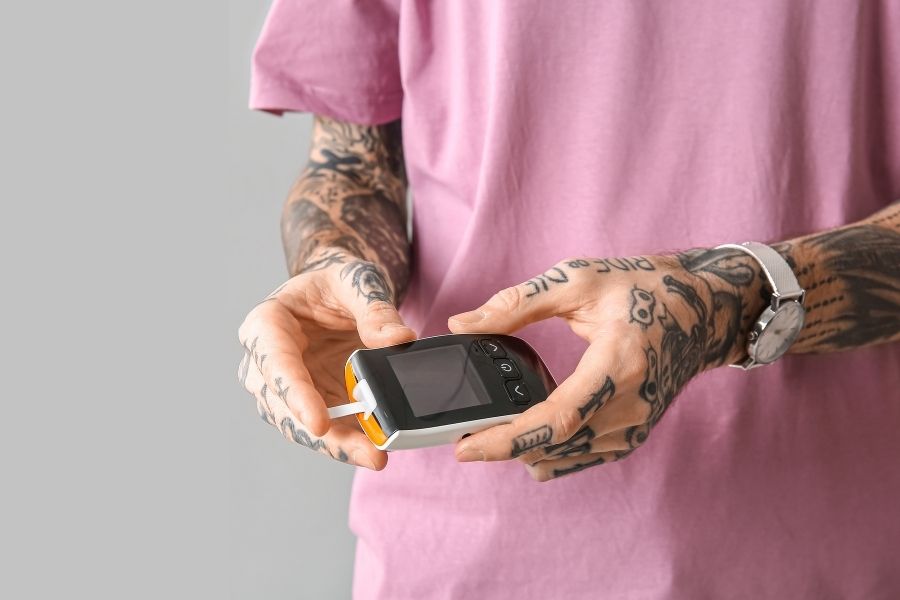
Both Jain and Ray warned people with uncontrolled diabetes against getting tattoos. Poorly managed diabetes significantly increases the risks associated with tattooing due to delayed wound healing, higher chances of infection and poor blood circulation.
Persistently high blood sugar weakens the immune system and slows the skin’s ability to repair itself.
This raises the risk of bacterial infections and, in severe cases, sepsis — a serious condition resulting from the presence of harmful microorganisms in the blood or other tissues and the body’s response to their presence, potentially leading to the malfunctioning of various organs, shock, and even death.
Bleeding disorders
Experts also advise people with bleeding disorders or those taking blood-thinning medications to avoid getting inked. Tattooing can take several hours depending on the size and complexity of the design, and the longer the procedure, the greater the chances of swelling and bleeding.
People with clotting disorders, conditions that prevent blood from clotting properly and cause excessive or prolonged bleeding, may face complications during the process. Areas with poor circulation such as the lower legs, ankles, feet or buttocks should also be avoided.
History of allergies or sensitive skin

Tattoo inks, particularly red pigments, are known to trigger allergic reactions sometimes even years after the tattoo is done. People with sensitive skin are also more prone to inflammation and infection, which can interfere with the healing process.
“Any history of allergy to tattoo ink, formation of granuloma or reactive dermatitis following previous tattoos is a strong deterrent,” said Ray. “Even an active systemic infection should make you postpone getting a tattoo,” she added.
Jain added that tattoo pigments can trigger allergic or granulomatous reactions, especially in people with sensitive skin.
It is best to consult a dermatologist or physician before getting inked. One should also inform the tattoo artist about any underlying health issues or existing medical conditions beforehand.