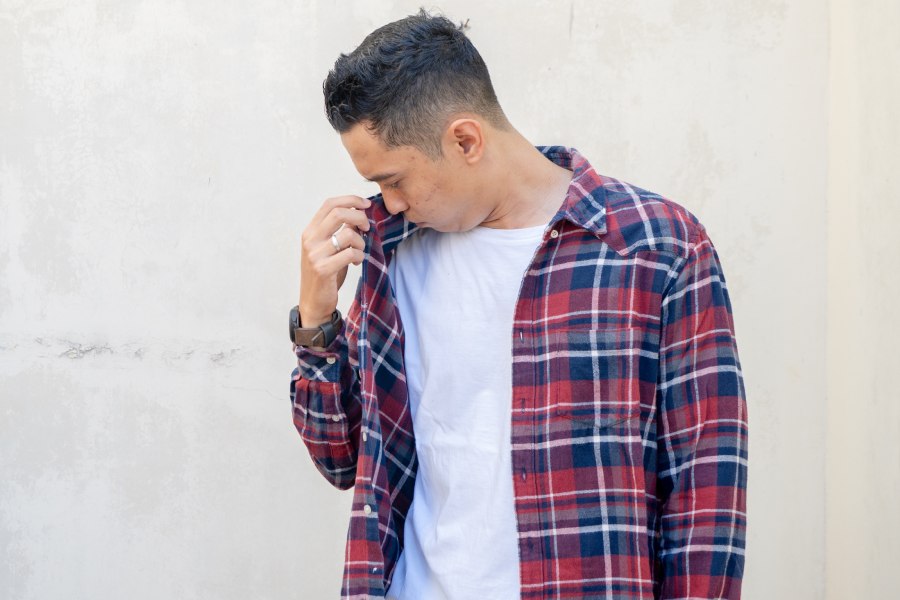
Long commutes, crowded public transport and sultry Kolkata heat can make staying fresh in summer a challenge. If body odour tends to creep in despite regular showers and deodorants, you are not alone.
Dermatologists explain that body odour occurs due to the bacterial breakdown of sweat secreted by apocrine glands, particularly in areas such as the underarms and groin.
While sweat itself is odourless, microbial activity converts it into volatile compounds that produce the characteristic smell associated with body odour. Summer heat, occlusive clothing and excessive sweating often aggravate this process.
Persistent or unusually strong body odour may sometimes also signal underlying conditions such as hyperhidrosis (excessive sweating beyond what is necessary for temperature regulation), hormonal fluctuations, thyroid dysfunction, metabolic disorders or other glandular abnormalities.
My Kolkata spoke to city-based experts to understand how a few simple changes in your daily routine can make a big difference.
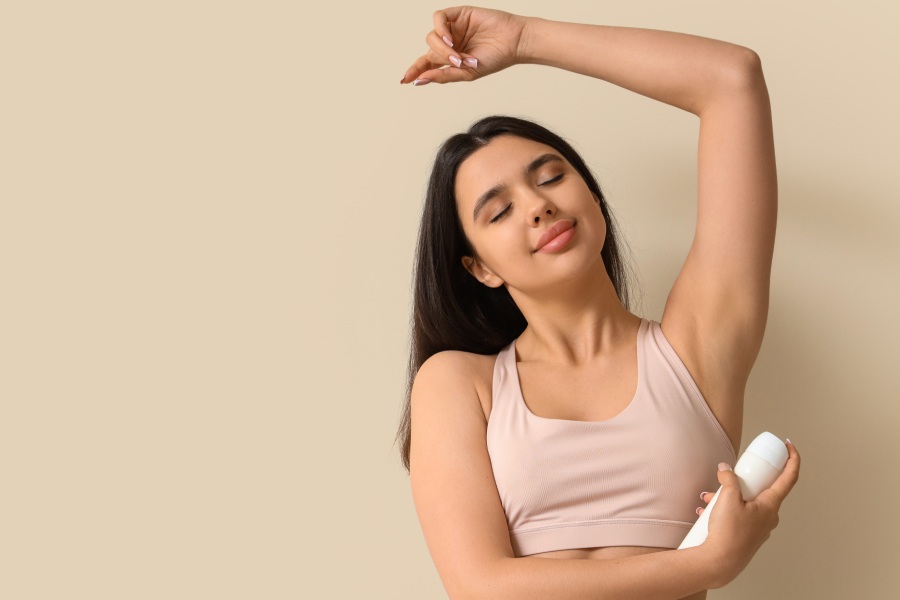
Use medical-grade antiperspirants
All pictures: Shutterstock
Medical-grade or prescription-strength antiperspirants are high-concentration topical treatments designed to manage excessive sweating (hyperhidrosis). These products often contain more than 20 per cent aluminium chloride hexahydrate, which works by forming plugs within the sweat ducts and reducing sweat production.
“Medical-grade antiperspirants containing aluminium salts and topical antibacterial agents can be particularly helpful,” said Adithi Jain, consultant dermatologist at CK Birla Hospitals.
Lifestyle and dietary modifications

Switching to antibacterial body washes, especially those containing benzoyl peroxide, can help reduce the natural bacterial load on the skin and minimise body odour, explained Arunima Ray, consultant dermatologist at Narayana RN Tagore Hospital.
Staying well hydrated by drinking at least two to three litres of water daily is also important, she said.
Further, using a glycolic acid toner or a mild AHA-based toner once or twice a week can help exfoliate the skin and further reduce bacterial buildup.
Ray also recommended limiting the intake of foods that may intensify body odour, such as spicy dishes, garlic, onions and alcohol. Consuming fresh fruits and maintaining adequate water intake can help because of their natural antioxidant properties.
Summer-appropriate clothing
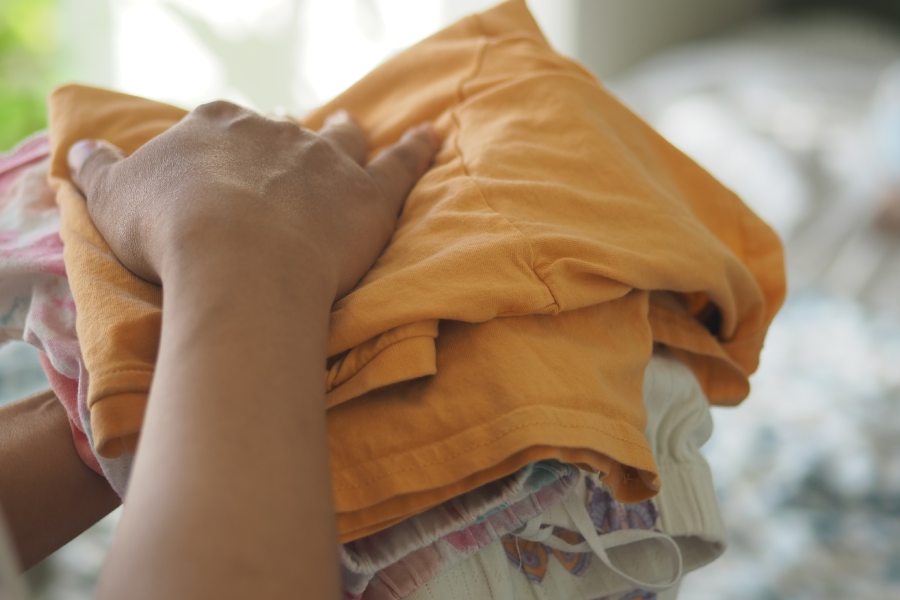
Opting for breathable fabrics such as cotton, linen or moisture-wicking materials can help keep the skin dry. Synthetic fabrics should be avoided, especially during summers.
“Cotton and moisture-wicking fabrics reduce sweat retention compared to synthetic clothing,” said Jain.
Maintain underarm hygiene
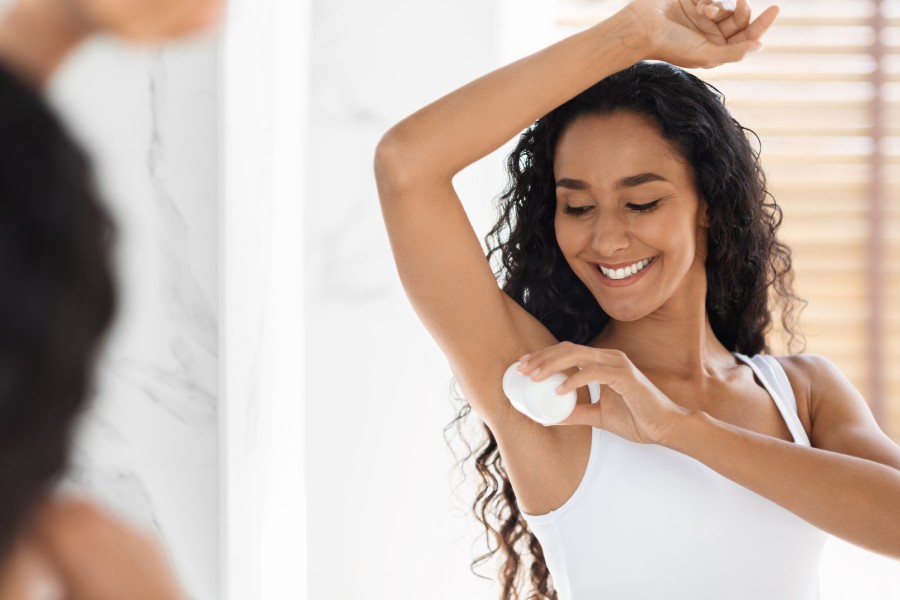
Regular trimming of underarm hair and consistent use of deodorants or antiperspirants can help minimise bacterial accumulation and reduce body odour. “Use a gentle antibacterial cleanser in sweat-prone areas,” said Jain.
Dermatological management
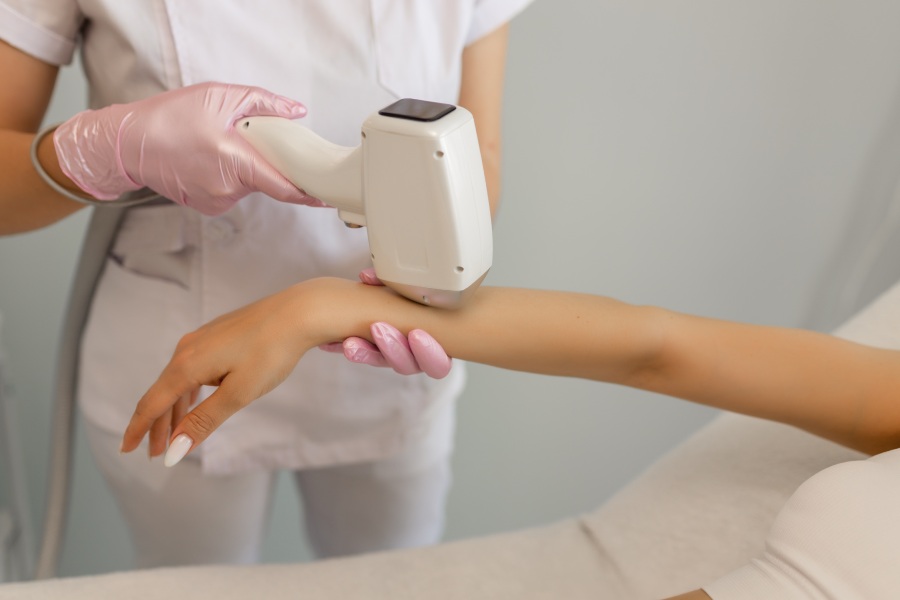
In cases of excessive sweating, dermatological treatments may be recommended.
Procedures such as iontophoresis can help control sweat production. Iontophoresis is a non-invasive, needle-free technique, used primarily to treat hyperhidrosis. The procedure involves the use of a mild, low-voltage electrical current, which delivers charged medication or ionised water through the skin's surface.
Since excessive sweating is sometimes the result of glandular abnormalities, identifying and addressing the root cause becomes essential. “Early consultation with a dermatologist is important to rule out systemic causes and ensure appropriate treatment,” said Jain.
Ray added that long-term solutions may also be considered to deal with excessive sweating. These include botulinum toxin injections to significantly reduce sweating and laser hair removal, which can help minimise sweat retention and bacterial growth. Together, these treatments can help effectively manage body odour.