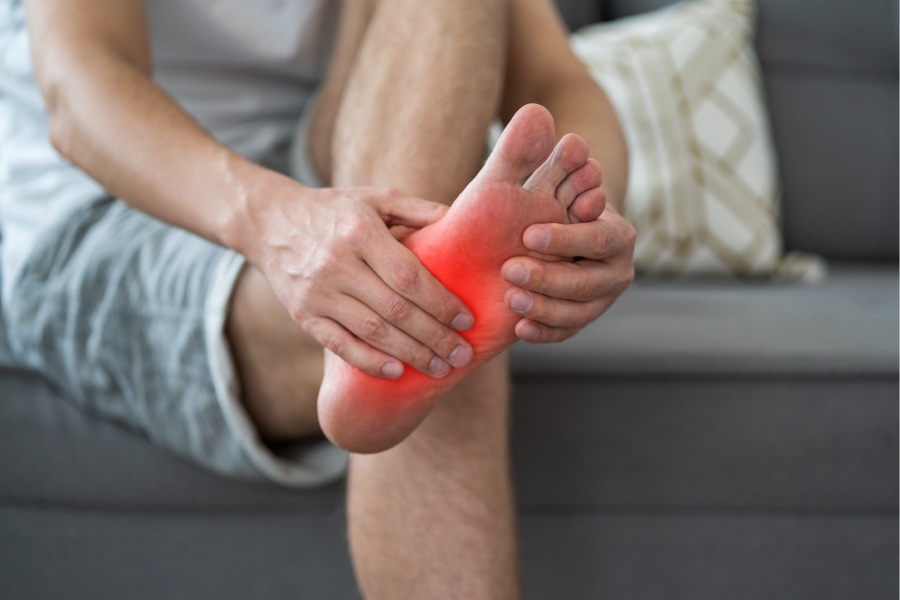
Having flat feet are more common than most people realise. For some, it is simply a variation in foot shape. For others, it shapes daily life in uncomfortable ways.
When the arch of the foot collapses, or never fully forms, the body’s balance and alignment can change, often leading to a chain of small but persistent problems.
Lionel Messi has flat feet, but with exercise and training he overcame it to become the greatest footballer of all time, arguably. There are ways and methods to live a normal life even with flat feet. Here’s how you can make your daily life a little easier.
Foot pain that shows up after simple activities
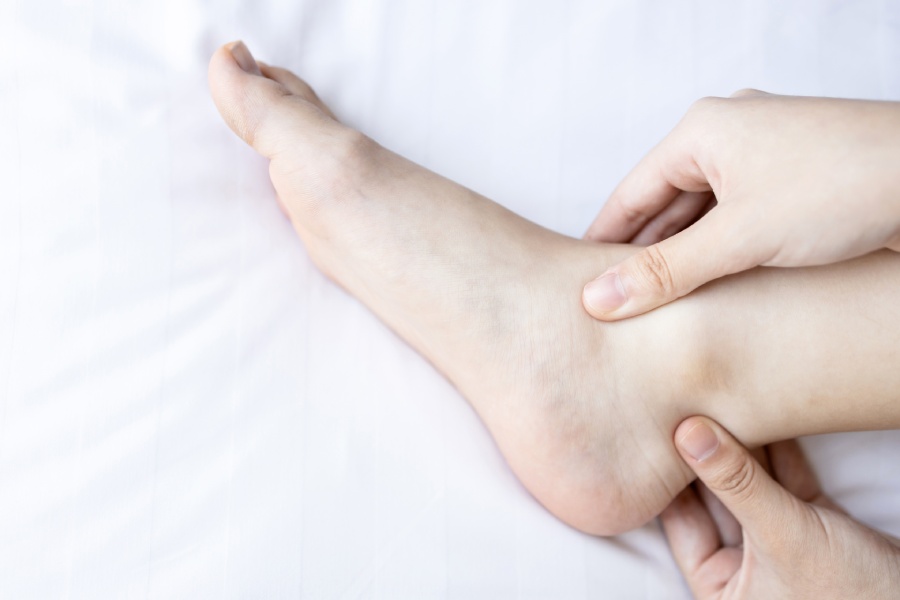
People with flat feet often feel pain along the inside of the foot or around the heel. Even ordinary activities like walking, standing in a queue, or taking a stroll can lead to soreness. Without the natural arch to absorb the shock, the foot tends to take on more pressure than it should. It is best to avoid long hours standing to prevent this pain.
Shoes that never seem comfortable enough
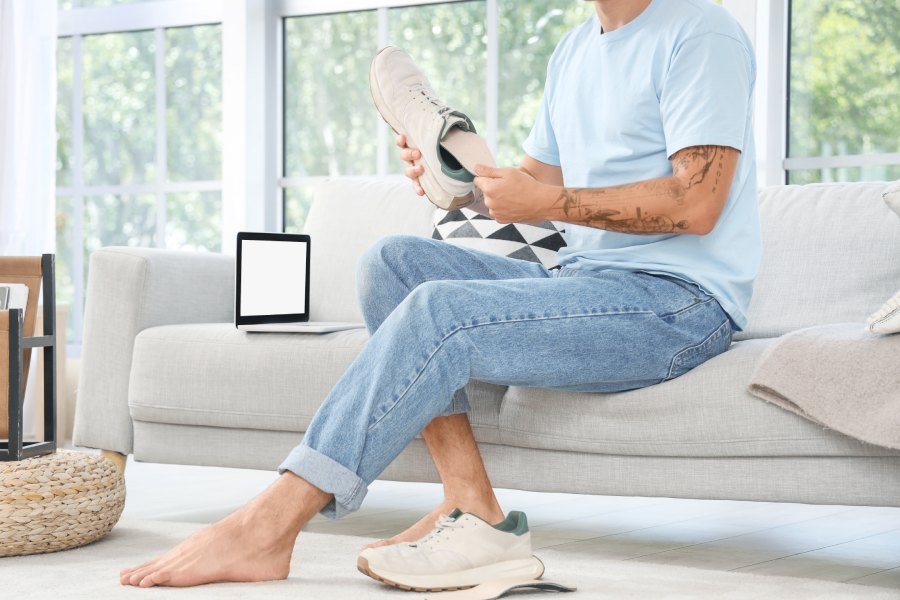
Finding the right footwear can become a frustrating exercise. Flat feet often cause the foot to roll inward, which means standard shoes may feel tight on one side or wear out unevenly.
Many people end up relying on special insoles or supportive shoes to make daily movement comfortable. Wearing doctor-recommended shoes can greatly help with pain relief.
“Maintaining a healthy body weight and avoiding standing continuously in unsupportive footwear are also helpful preventive steps,” said Lalit Modi, additional director, Orthopedics & Joint Replacement, CK Birla Hospitals Jaipur.
Knees that start complaining
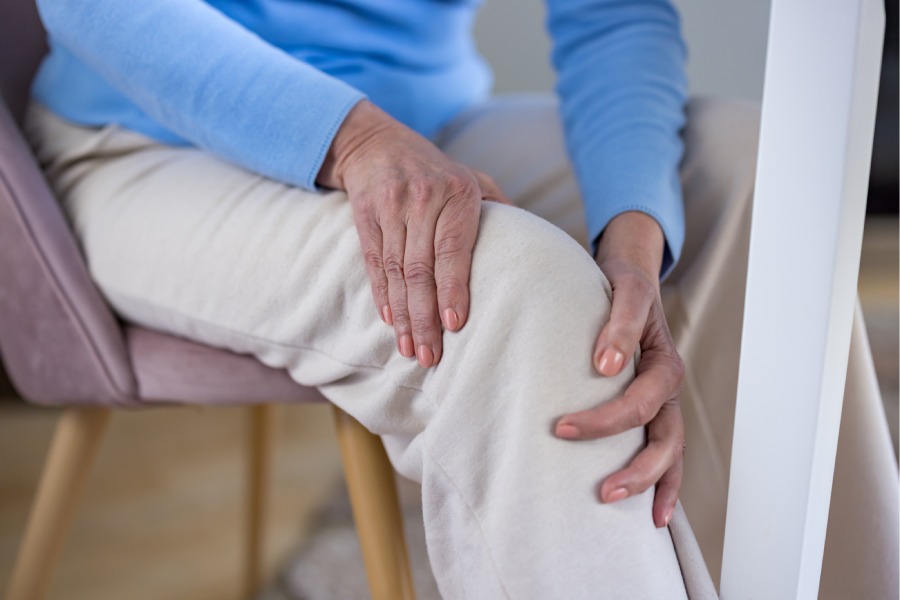
The structure of the foot affects the entire leg. When the arch is missing, the ankle tends to tilt inward and this changes the way the knees align while walking. Over time, this can lead to knee pain, especially after long hours on one’s feet.
“Middle-aged and elderly individuals with flat feet are advised to use footwear modifications that provide proper arch support, and which are now available with most common footwear brands,” said Atul Shrivastava, consultant - orthopaedic surgeon, Narayana Hospital, Howrah.
Tired legs after a long day

People with flat feet often notice their legs feel unusually tired after routine activities. Because the arch does not provide natural support, the muscles in the feet and lower legs work harder to keep the body balanced. By the end of the day the fatigue can travel up to the calves and even the lower back.
“People can perform arch-strengthening exercises to help support the foot structure and improve overall comfort during daily activities,” added Shivastava.
Difficulty with sports and high impact exercise
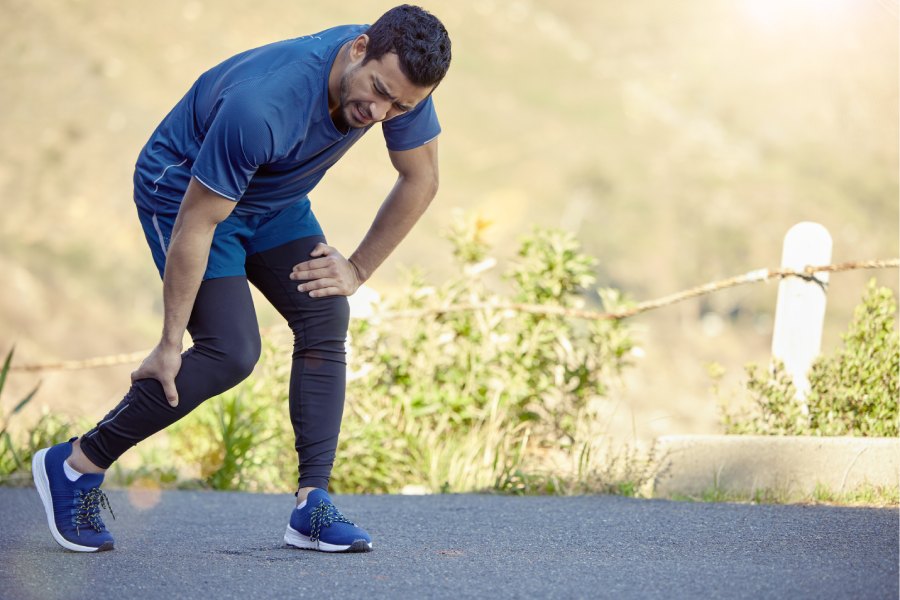
Running, jumping, or playing sports can feel more demanding with flat feet. The lack of a strong arch reduces shock absorption and stability, which can increase the risk of strains or injuries. Many people need extra support or specific training to stay active without discomfort.
Flat feet may seem like a small detail of anatomy, but it can influence everything from the way someone walks to how long they can stay on their feet.
With the right footwear, exercises, and support, however, many of these everyday challenges can be managed effectively.
“One should not ignore persistent pain or fatigue in the feet. Early consultation with an orthopaedic specialist can help prevent long-term complications,” advised Rakesh Rajput, director and HOD - Orthopaedic, CK Birla Hospitals.