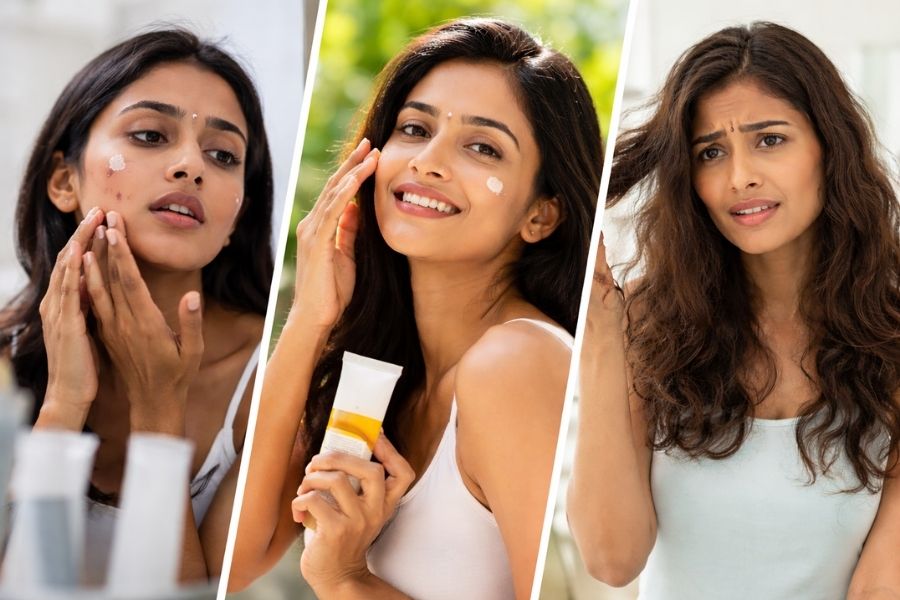
You walk into a parlour hoping for a quick fix — a de-tan here, a hair spa there, maybe a miracle facial before an event. You walk out glowing… for about three days. Then it’s back to square one.
Here’s the uncomfortable truth — most long-term skin and hair concerns do not need quick fixes. Instead, they need consistency, science-backed routines and a little patience. But, these rarely make it to the salon menu.
From stubborn pigmentation to frizzy hair and acne flare-ups, here’s what actually works — and what your parlour wali didi probably isn’t telling you.
Tanning and pigmentation: No, there’s no overnight fix
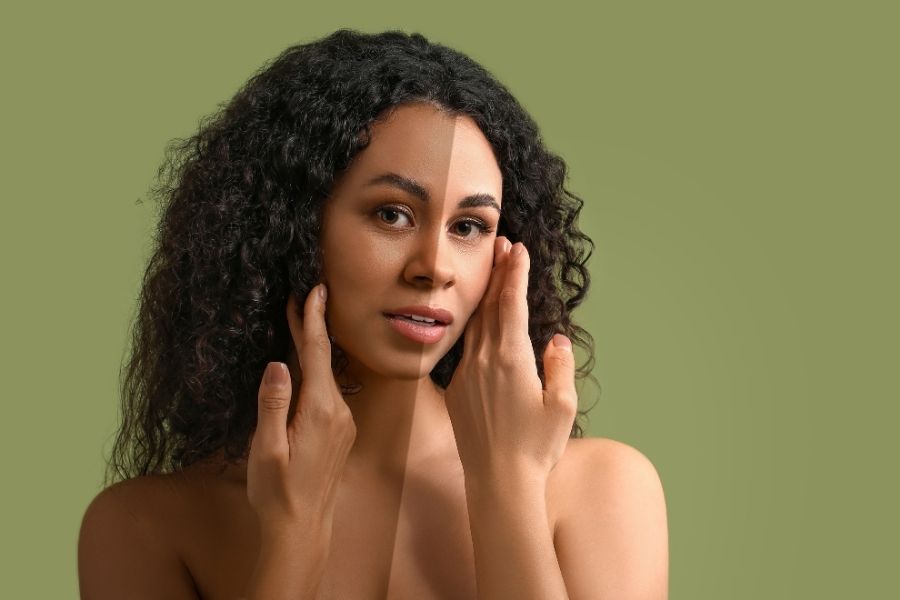
Pigmentation doesn’t disappear after one facial — no matter how convincing the claims may sound. It improves gradually with the right routine. Shreya Poddar, dermatologist at AM Medical Centre, Kalighat, suggested a breakdown.
Morning routine:
- Gentle cleanser (avoid over-cleansing)
- Antioxidant serum (Vitamin C works best)
- Moisturiser suited to your skin type
- Broad-spectrum sunscreen (SPF 30–50, PA++++). Reapply every 2–3 hours — this is non-negotiable. “Apply sunscreen even when you're indoors or on cloudy days — as UV rays can still affect your skin,” said Kolkata-based dermatologist Ishani Chatterjee Ghorai.
Night routine:
- Cleanser
- Incorporate serums with skin-brightening ingredients like niacinamide and kojic acid into your routine. “These help lighten dark spots, reduce inflammation, and give your skin a healthy, radiant glow. They are also generally suitable for Indian skin types,” explained Ghorai.
Frizzy hair, breakage & split ends: Hair spa is not enough
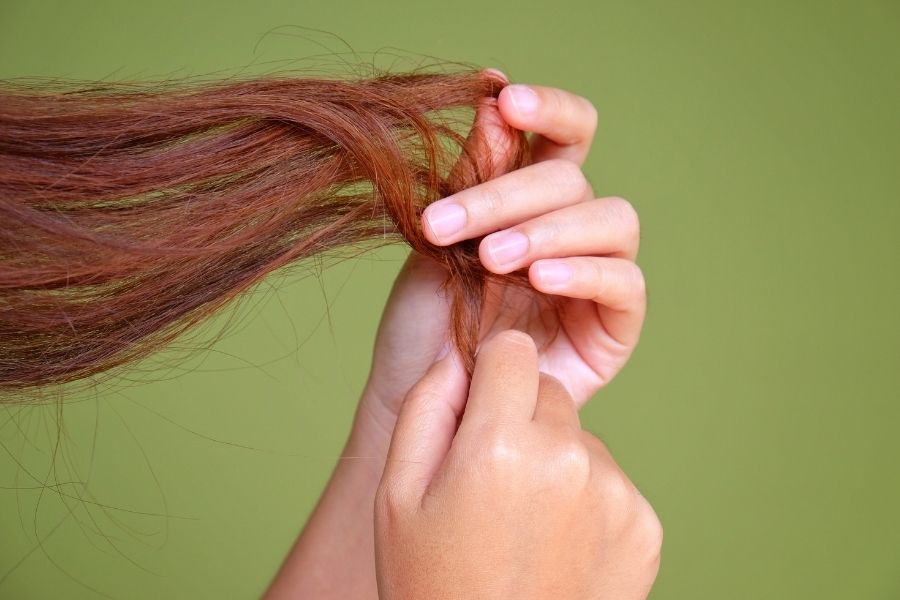
Hair spas feel luxurious, and they cost a fortune, but they don’t undo the daily damage from heat, pollution and poor hair care habits. It hurts, but it’s true!
Poddar suggested a routine that actually works.
- Mild, sulfate-free shampoo (2-3 times a week)
- Conditioner after every wash (focus on mid-lengths)
- Weekly deep conditioning mask
- Leave-in serum for frizz control
- Heat protectant before styling
Ghorai added to this some lifestyle fixes:
- Regular trims: Get a trim every 6-8 weeks to remove split ends and keep hair healthy.
- Protect from sun exposure: Wear a hat or use hair products with UV protection to prevent environmental damage.
- Switch to silk pillowcases: They reduce friction, helping prevent breakage and split ends while you sleep.
- Seek professional advice: Consult a dermatologist for personalised hair care routines and guidance on supplements if needed.
Dandruff vs scalp psoriasis: Not the same thing
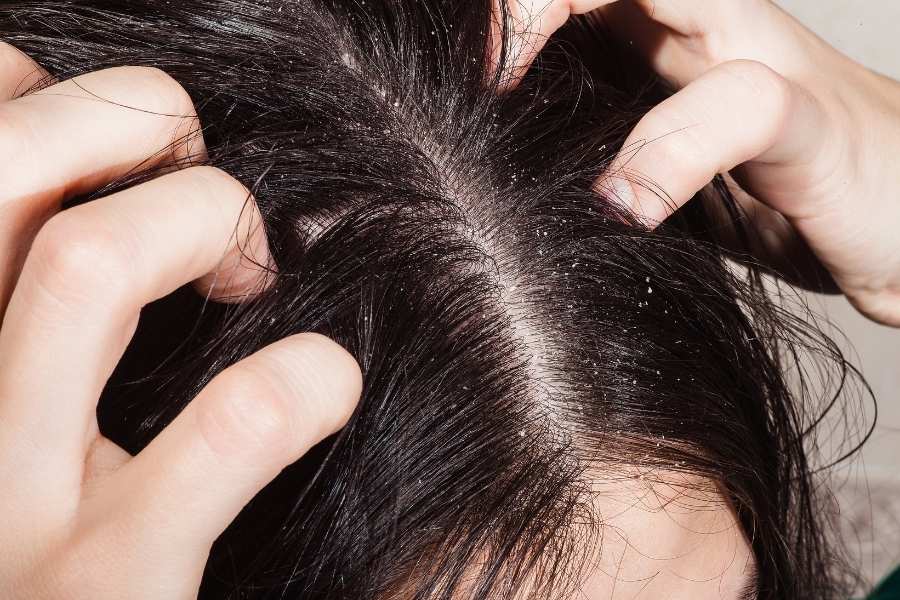
Flakes are flakes — except they’re not. Poddar said that treating dandruff and scalp psoriasis the same way can make things worse.
For dandruff (seborrheic dermatitis):
Use medicated shampoos with Ketoconazole, Zinc pyrithione or Selenium sulphide at least twice a week.
For scalp psoriasis:
Requires prescription treatments:
- Topical steroids
- Salicylic acid-based keratolytics (agents that help reduce scaling by softening and removing thick, adherent skin or scalp scales)
Ghorai suggested that under a dermatologist’s guidance, one may use:
- Coal tar (slows skin cell turnover)
- Vitamin D analogs
For Severe Cases
If the condition is persistent or severe, a dermatologist may recommend:
- Phototherapy (light treatment)
- Oral medications
- Biologic therapies (for moderate to severe psoriasis)
Basic care tips:
- Gently exfoliate the scalp
- Avoid harsh styling products
- Keep scalp moisturised
Strawberry skin: Those tiny bumps aren’t dirt

Those dark dots or bumps (often on arms or legs) are usually clogged hair follicles — not poor hygiene, explained Poddar.
What actually works:
- Gentle cleanser
- Moisturiser with lactic acid / urea / salicylic acid
- Mild chemical exfoliation (skip harsh scrubs) every week
Ghorai noted that shaving habits matter:
- Use a fresh razor every time
- Shave in the direction of hair growth
- Always use shaving gel or cream
- Avoid hot showers
- Laser hair removal may also be considered
Oily, acne-prone skin: Stop overdoing it
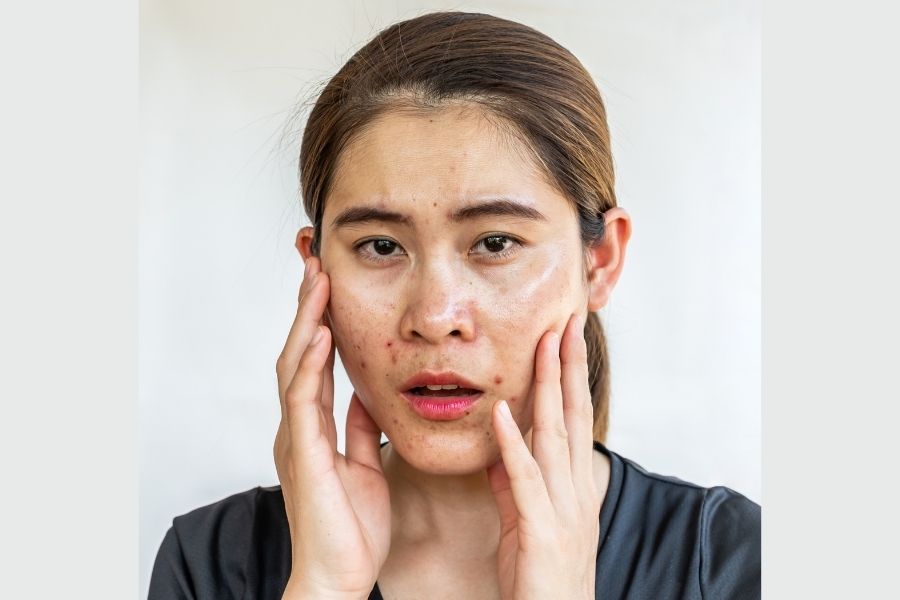
People with oily, acne-prone skin should follow a consistent skincare routine using the right combination of products. A proper routine helps control excess oil, reduce breakouts and improve overall skin tone and texture — without causing dryness, noted Ghorai.
Poddar went on to explain what actually helps:
Morning routine:
- Salicylic acid or gentle cleanser
- Lightweight, oil-free moisturiser
- Matte, gel-based sunscreen (SPF 30+ or 50+)
Night routine:
- Cleanser
- Moisturiser
- If you have active acne, apply a dermatologist-recommended spot treatment directly on pimples.
Ghorai also suggested:
- Using a toner to balance pH
- Sticking to water-based serums
Finally, what’s the big takeaway?
- There are no instant fixes, only consistent routines
- ‘Natural’ or ‘expensive’ doesn’t always mean suitable and effective
- Most salon treatments offer temporary results, not long-term solutions
- Dermatologist-guided care beats trial-and-error every time
- Good skin and hair aren’t built in a day — but with the right routine, they are built to last.