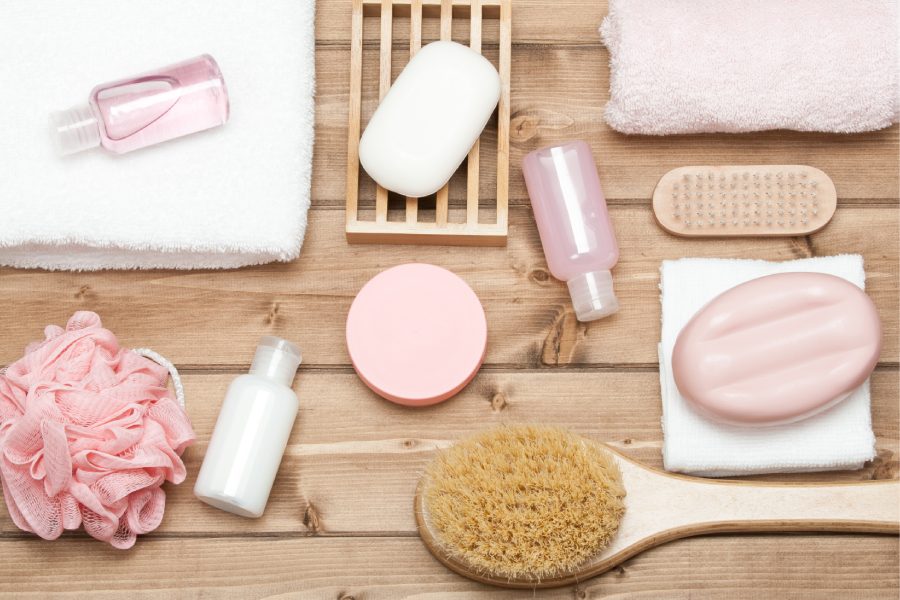
Taking a basic shower is not enough — many tend to scrub their entire body extensively with that ‘specific’ floral-scented soap bar they have used since childhood, or lather up with shower gel, which your algorithm convinced you to buy for hydration and to even out your skin tone.
Fair enough! But if you give it some thought — when have you last questioned your shower kit about its loyalties?
But before you start digging deep, by Googling a few disadvantages of your basics and rejecting them on a whim, know the pros and cons first to use them accordingly. Remember: Good skincare goes beyond your face anyway.
What is the difference between bar soaps and shower gel?
All pictures: Shutterstock
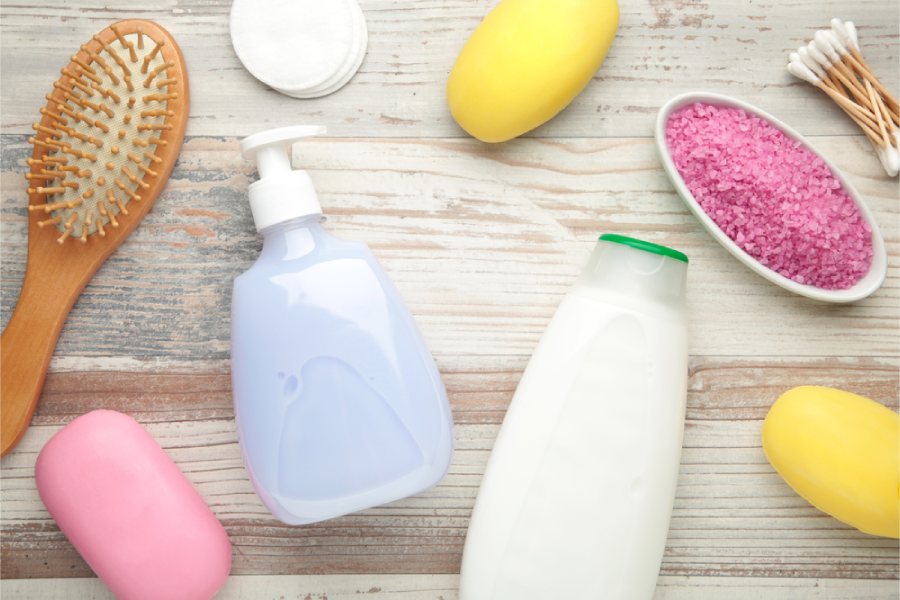
All types of soap basically do the same thing: scrub off dirt from the surface of our skin. The difference is only in the ingredients.
The functional difference lies in formulation and pH: soap bars are solid, often alkaline cleaners made via saponification. Shower gels are liquid, synthetic detergent-based products with lower pH levels.
Which one is better to use?
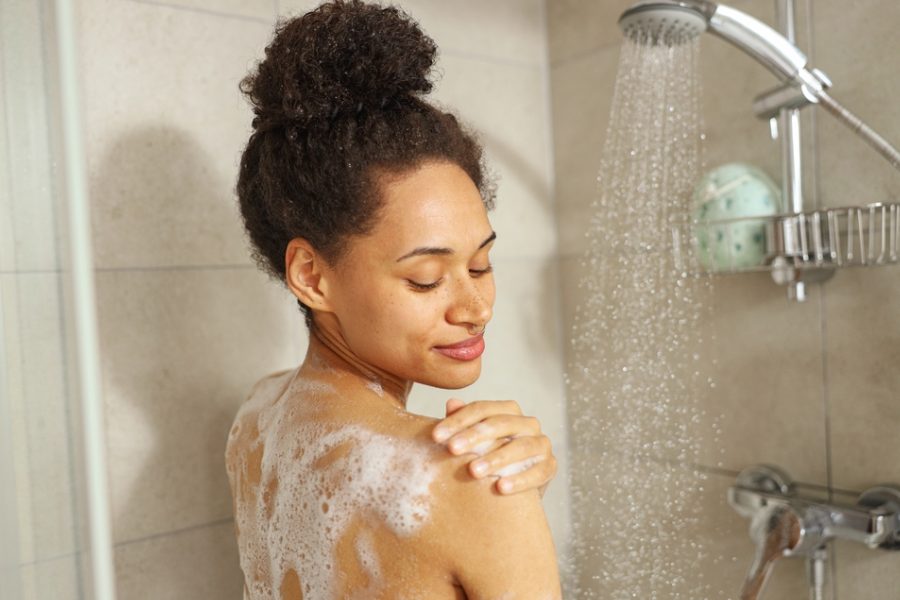
The choice between bar soap and shower gel depends largely on a person’s skin type and any existing medical condition, according to Dr Soumya Kanti Datta, dermatologist with Desun Multispeciality Hospital, Kolkata.
For fungal, bacterial or parasitic infections, he recommends medicated soaps such as ketoconazole, permethrin or antibacterial cleansers.
“However, for people with oily skin, gel-based body washes are generally preferable,” he said.
Datta explained that while both soaps and shower gels can be used for cleansing, shower gels tend to have a more soothing effect on the skin.

Fragrance-free soaps or body washes are generally ideal for people with sensitive skin because added perfumes and artificial fragrances can trigger irritation, redness, itching or allergic reactions, said Dr Arunima Ray, consultant dermatologist, Narayana RN Tagore Hospital, Mukundapur.
“Using fragrance-free products helps reduce the risk of skin flare-ups and keeps the skin barrier healthier, especially for those with conditions like eczema, dermatitis or allergies,” she said.
How to use them for a proper cleansing of your skin?
Bar Soap:
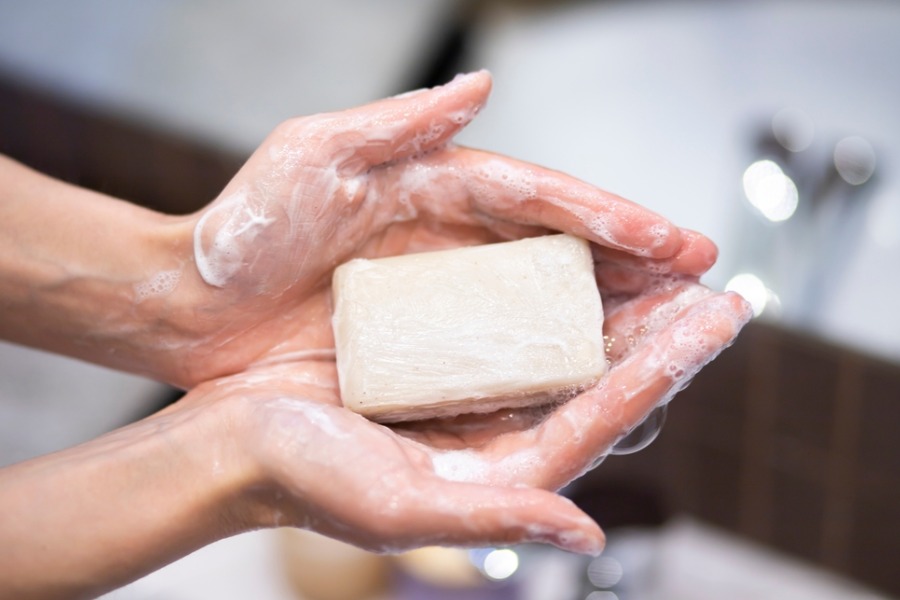
- Rub the soap directly on your skin surface or apply it to some on a wet piece of cloth to create some lather.
- Thoroughly cleanse areas prone to sweat and oil, such as underarms, feet, and back.
- Bar soaps are best kept in a dry, well-ventilated area away from direct water splashes to prevent them from becoming soft and mushy.
- Remember: Not all areas of your body can be suitable enough to handle bar soaps. Avoid using them on the face, genital area, inside the ears, and the scalp.
Shower Gel:
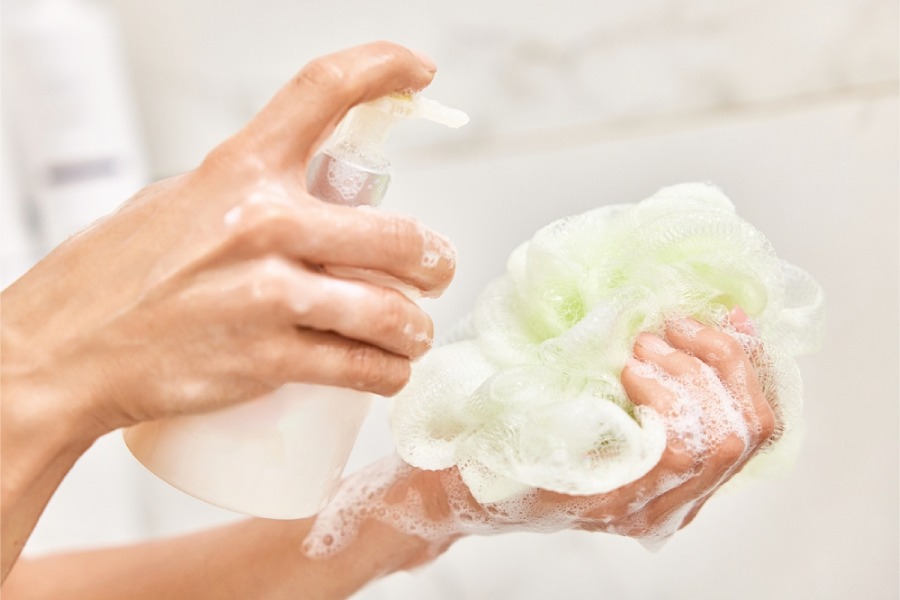
- Take a little bit of the liquid gel on a damp loofah, sponge, or washcloth to create a good amount of foam and lather.
- Apply the soap gently all over your body and scrub accordingly to remove the dirt from the skin surface.
- Wash off the foam with lukewarm water and pat your skin dry with a towel instead of rubbing it off.
- Shower gel should be stored in a well-drained area within the shower or bathtub that is away from direct, constant water streams.
- Just like soap bars, avoid using shower gels on the face, genital area, inside the ears, and the scalp as well.
Can we use both?

On a prolonged term, it is not advisable, but if you have plenty of time to shower, use the bar soap first to rinse off the dirt from your body, followed by a shower gel bath to soften and nourish and of course, scent the skin.
Pro tip:
Datta advises using a good-quality ceramide-based hydrating lotion within 10 minutes of a bath to lock in moisture and maintain skin hydration.