
Intimate hygiene is an essential part of every woman’s personal care routine and is closely linked to women’s overall health. As the name suggests, it refers to keeping the intimate area clean and hygienic. However, the skin in this region is far more sensitive than the rest of the body, yet many women unknowingly treat it with products meant for regular skin care.
One common myth is that the intimate area needs strong cleansers or heavily fragranced products to stay “fresh”. In reality, harsh soaps, perfumes and deodorising sprays can disrupt the skin’s natural barrier and alter its pH balance, leading to irritation, itching and pigmentation. Another misconception is that excessive washing improves hygiene. Over-cleansing can strip away the skin’s natural protective layer, causing dryness, rashes and even fungal infections. The focus should be on gentle care rather than aggressive cleaning.
My Kolkata spoke to city-based experts to highlight everyday mistakes that may unknowingly harm intimate health and help women make more informed choices about their hygiene routines.
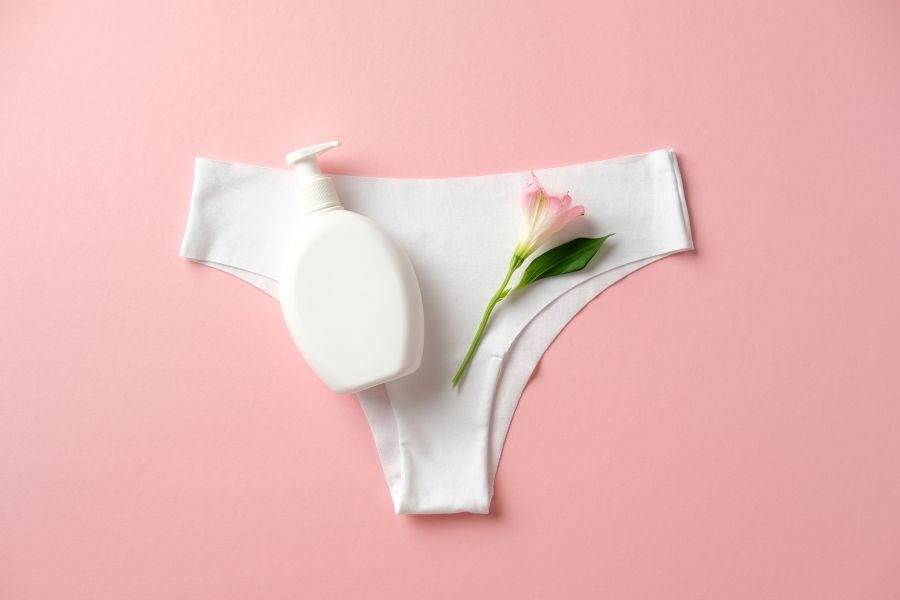
Daily vaginal douching
Vaginal douching is an unnecessary, often harmful, practice of cleansing the vagina with water or liquids (like vinegar or baking soda). Sneha Ray Karmakar, Kolkata-based consultant obstetrician-gynecologist and laparoscopic surgeon advises against it because the vagina is self-cleaning, and douching disrupts natural bacteria, leading to infections as it alters the pH level.
Using scented soaps, washes or sprays that irritate sensitive skin
Adithi Jain, consultant dermatologist at CK Birla Hospitals, emphasised the importance of simple habits such as gentle cleansing with mild products and wearing breathable cotton underwear to maintain healthy intimate hygiene. However, overwashing the area multiple times a day with scented soaps, washes or sprays can increase the risk of infections, as these products often contain harsh chemicals that may irritate sensitive skin. Instead, women should opt for hypoallergenic products that are mildly scented or completely fragrance-free for intimate care, advised Karmakar.
Ignoring hygiene after workouts or excessive sweating
Jain advised keeping the intimate area dry to prevent itching, rashes and infections. Neglecting hygiene after workouts or allowing sweat to accumulate for long periods can increase the risk of vaginal yeast infections, skin irritation (chafing) and unpleasant odour. The combination of warmth, moisture and friction from tight, sweat-soaked clothing creates an ideal environment for bacteria and fungus to thrive in.
Using retinols for hyperpigmentation of intimate area skin
Karmakar strongly advised against using influencer-inspired beauty products with chemicals for treating hyperpigmentation of intimate areas. She added that women must consult dermatologists before using any product as the harsh chemicals may alter the pH balance causing infections and irritation.
Self-treating itching or rashes
Jain said that such creams are often not designed specifically for the sensitive skin of the intimate area and may hence aggravate the problem. So, it is important for women to consult their dermatologist and gynaecologist before using any such product.
Namrata Gupta, senior consultant, obstetrics and gynaecology at CK Birla Hospitals Jaipur said that women must never ignore persistent symptoms like unusual discharge, itching, burning, or foul odour. “Repeated use of over-the-counter treatments without medical advice may delay proper diagnosis,” she added.