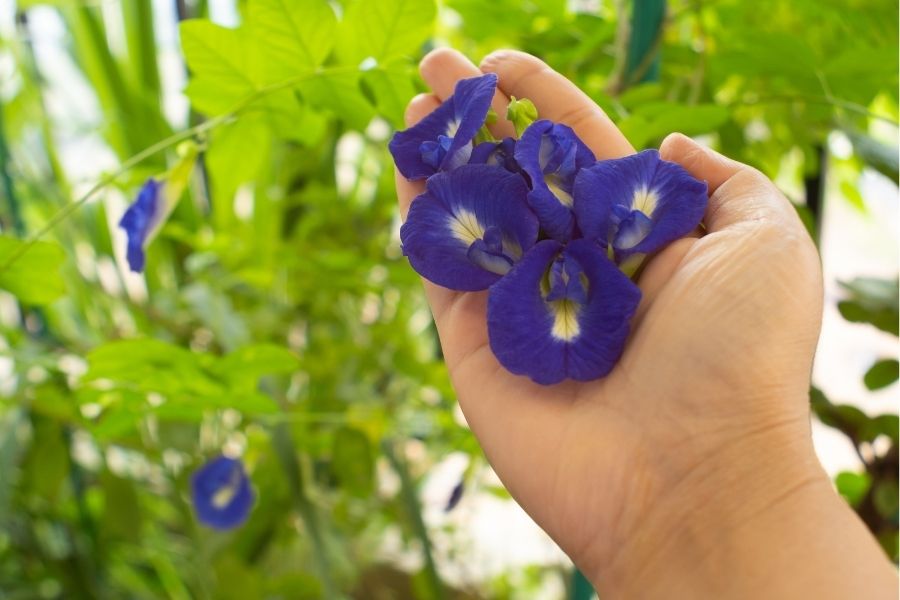
In countless households across Bengal, the delicate and soft-indigo Aparajita flower (butterfly pea) has always been a quiet constant — plucked at dawn, and kept on puja thalis, besides incense sticks. A simple puja phool.
For years, it lived an unassuming life along garden fences, gate pillars or in the cracks of walls, valued more for its ritual purity than for any commercial worth.
However, much to our surprise, this modest blossom of Bengal is undergoing an unexpected transformation, finding recognition far beyond its traditional roots in the state and in India.
According to a recent article by the BBC, there is a growing global interest in the flower, driven by entrepreneurs in India. This rising demand is fueled by consumer preference for natural ingredients and increased restrictions on synthetic food dyes in the US and Europe.
In 2021, the US Food and Drug Administration approved butterfly pea flower as a food additive, but in 2022, the European Food Safety Authority expressed safety concerns. Both the EU and UK label butterfly pea flower as a ‘novel’ food, indicating it has not yet received approval for broad use.
However, scientists, ayurveda experts, chefs and even beauty brands have discovered that aparajita’s vivid blue pigment is not just beautiful and rich in appearance, but is also versatile.
Once overlooked, the flower is now being cultivated, dried and exported in bulk, turning a familiar household plant into a botanical commodity with international appeal.
Here is a list of things that can be made using aparajita flowers:
Beverages
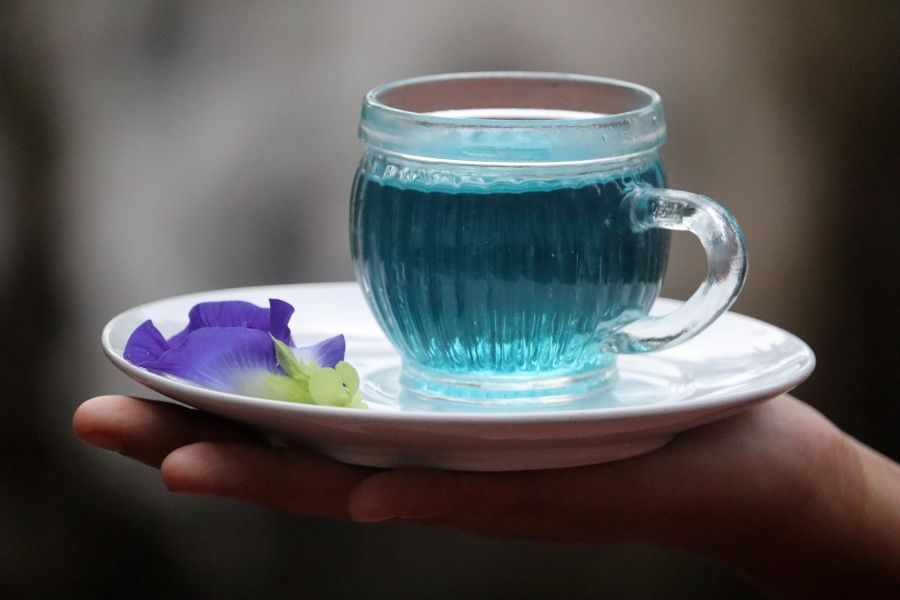
Some of the most popularly consumed beverages globally that are now being made with the extracts of this flower are blue tea, butterfly pea flower lemonade and blue smoothies and milkshakes (made with blueberries and aparajita).
Food and culinary items
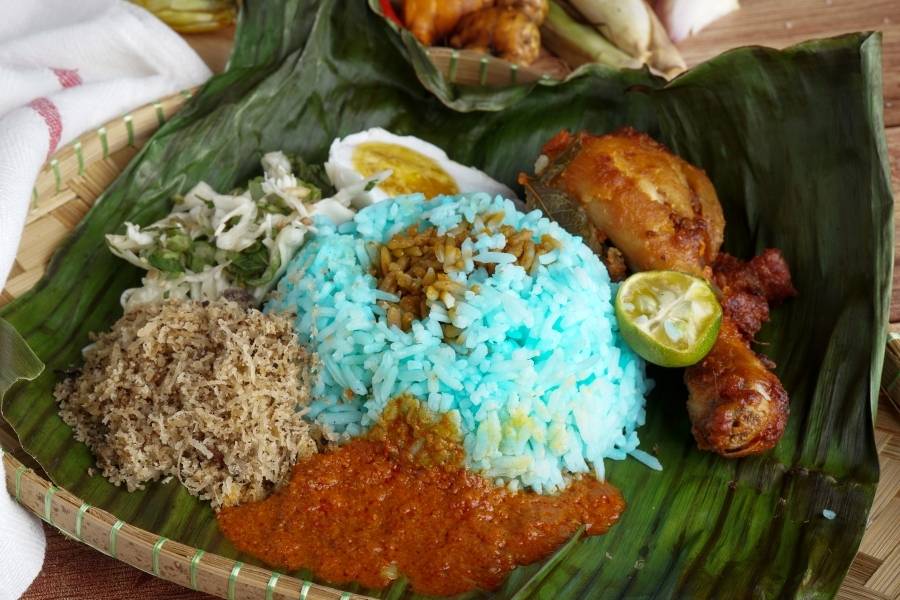
Not only beverages, but the culinary scene around India and overseas also introduced a varied list of dishes prepared with aparajita as its colourant substance. Some of the dishes are Nasi Kerabu (blue rice, popular in Malaysia), blue fried rice/noodles, and extract acts as a natural dye for cakes, icing, ice cream, and jellies.
Wellness and beauty

Aparajita is also finding a growing demand as an ayurvedic herb for enhancing beauty due to its rich antioxidant, flavonoid, and anti-inflammatory properties. From skin gels to face masks, the flower is the new favourite for ayurvedic skincare products.
Natural dyes for textiles
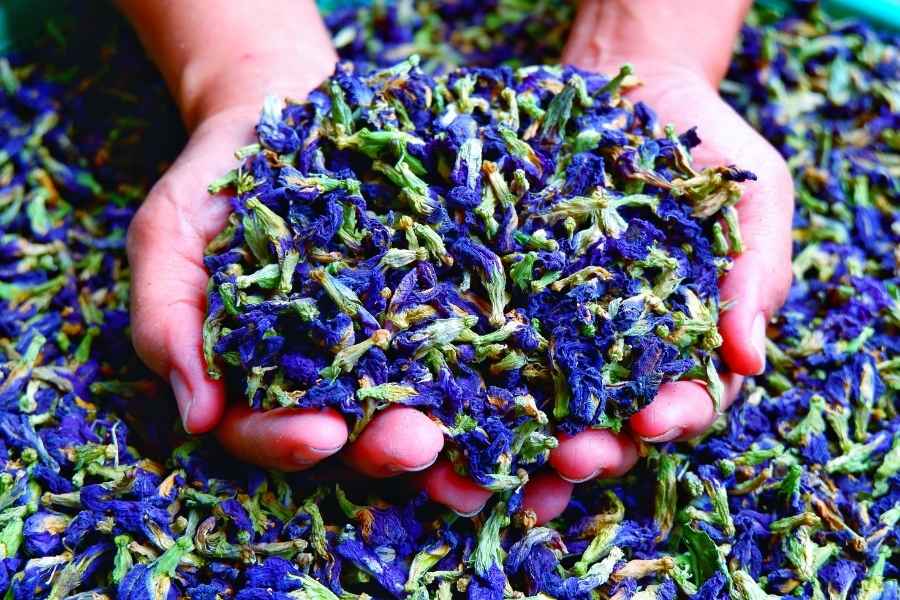
These flowers are a popular source of natural, eco-friendly dye, producing a range of colours from deep blue to purple and green depending on the pH of the dye bath.
For growers and small cultivators, this newfound popularity is opening up fresh economic possibilities, proving that even a traditional plant from Bengal can hold modern value in the global market.