
A five-year-old beagle in Rajarhat has not been able to stand for more than a month. Once active and playful, he is now bedridden. He is undergoing treatment and physiotherapy after being diagnosed with Babesia Gibsoni, a blood infection caused by ticks that is increasingly affecting pets across Kolkata.
“It has affected his spine, and he has been bedridden for more than a month now,” said pet parent S Sengupta. “It seems to have affected many other dogs in our neighbourhood.”
Veterinarians across the city are seeing a sharp rise in these cases.
“It is an epidemic now in Kolkata. Several dogs and cats have been affected by Babesia,” said veterinarian Kaustav Basu.
But, what is Babesia?
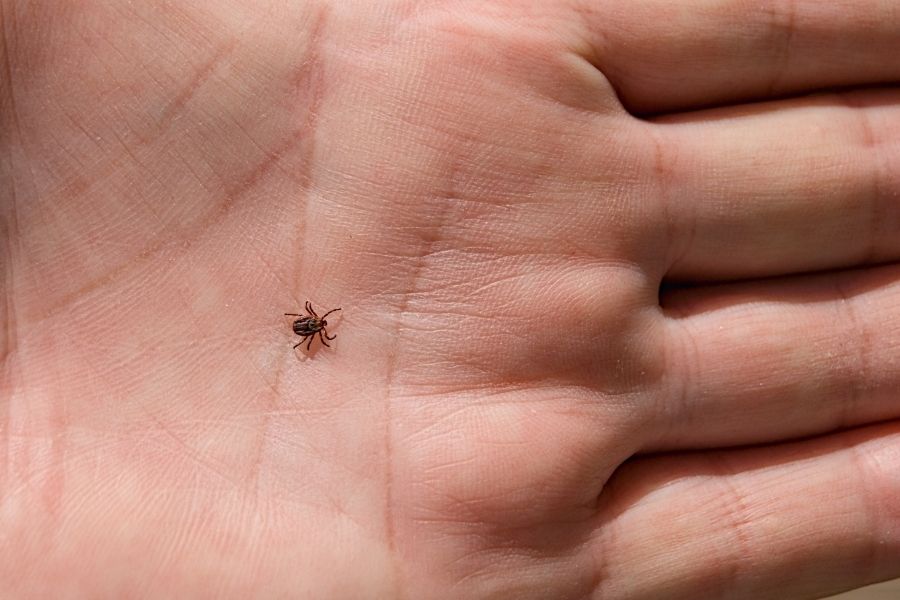
It is a hemoprotozoan infection transmitted by ticks. Once in the bloodstream, it starts damaging vital organs, often without clear early warning signs.
“Many cases no longer show high fever initially. Instead, we are seeing symptoms like loss of appetite, vomiting and dysentery,” said Basu, adding that the infection sometimes silently spreads through the body well before it is detected.
Shutterstock
Ashimi Das pointed out that often, early signs go neglected or unseen. “Lethargy, lack of appetite, vomiting and even blood in urine or stool are early symptoms that pet owners should watch out for,” she said.
Another pet parent, Paul Avijit from central Kolkata, discovered the infection unexpectedly in his five-year-old Labrador.
“Pearl was perfectly healthy. Before her hysterectomy, tests were done as a precaution, and we were shocked to discover Babesia. I had never heard of it before. It is a silent and serious condition,” he said. Pearl is now undergoing treatment.
Doctors say the surge happens seasonally, linked to the rapid increase in tick population between April and October.
“As ticks multiply, they transmit infections like Babesia, Anaplasma and Ehrlichia. These infections attack the blood and gradually damage organs like the liver and kidneys,” explained Basu.
The impact can be severe in some cases if untreated for more than 3-4 months. Vets say that in dogs, recovery is possible with timely treatment. But some cases require intensive care.
However, in cats, the situation is a little more critical. “The recovery rate in cats is significantly lower, around 30 per cent,” said Basu, stating that a delay in detection can worsen outcomes.

Shutterstock
Many pet owners are already witnessing severe symptoms.
Kuheli Bhattacharya from Belghoria said her three-year-old cat stopped eating for days and could barely move. “She was only drinking water and could not even lift her head. The vet confirmed it was tick fever,” she said.
Experts emphasise that prevention remains the best defence.
Regular grooming, clean bedding, maintaining hygienic surroundings and consistent use of tick prevention medication can significantly reduce the risk. Routine veterinary checkups with blood tests are also crucial for early detection.